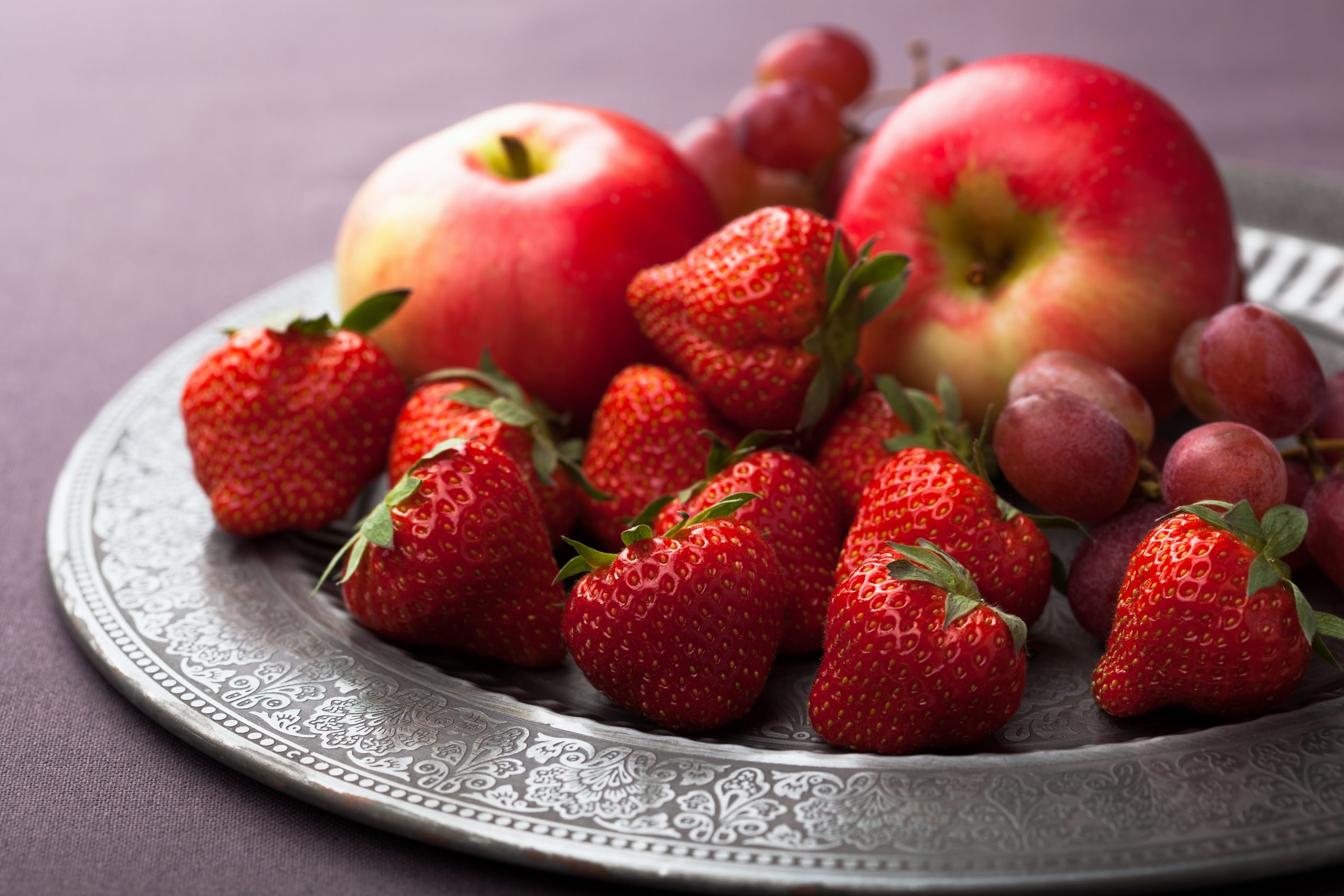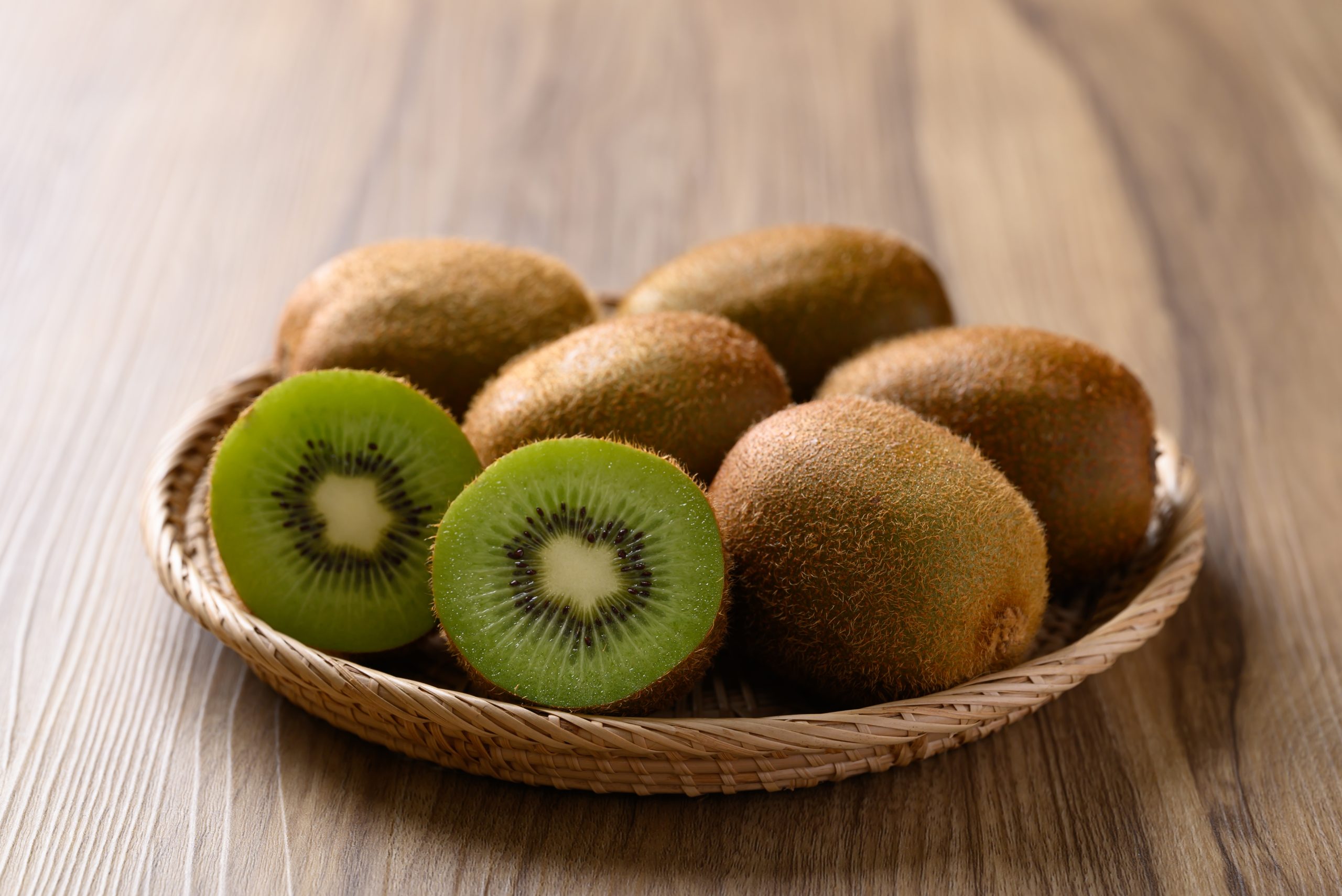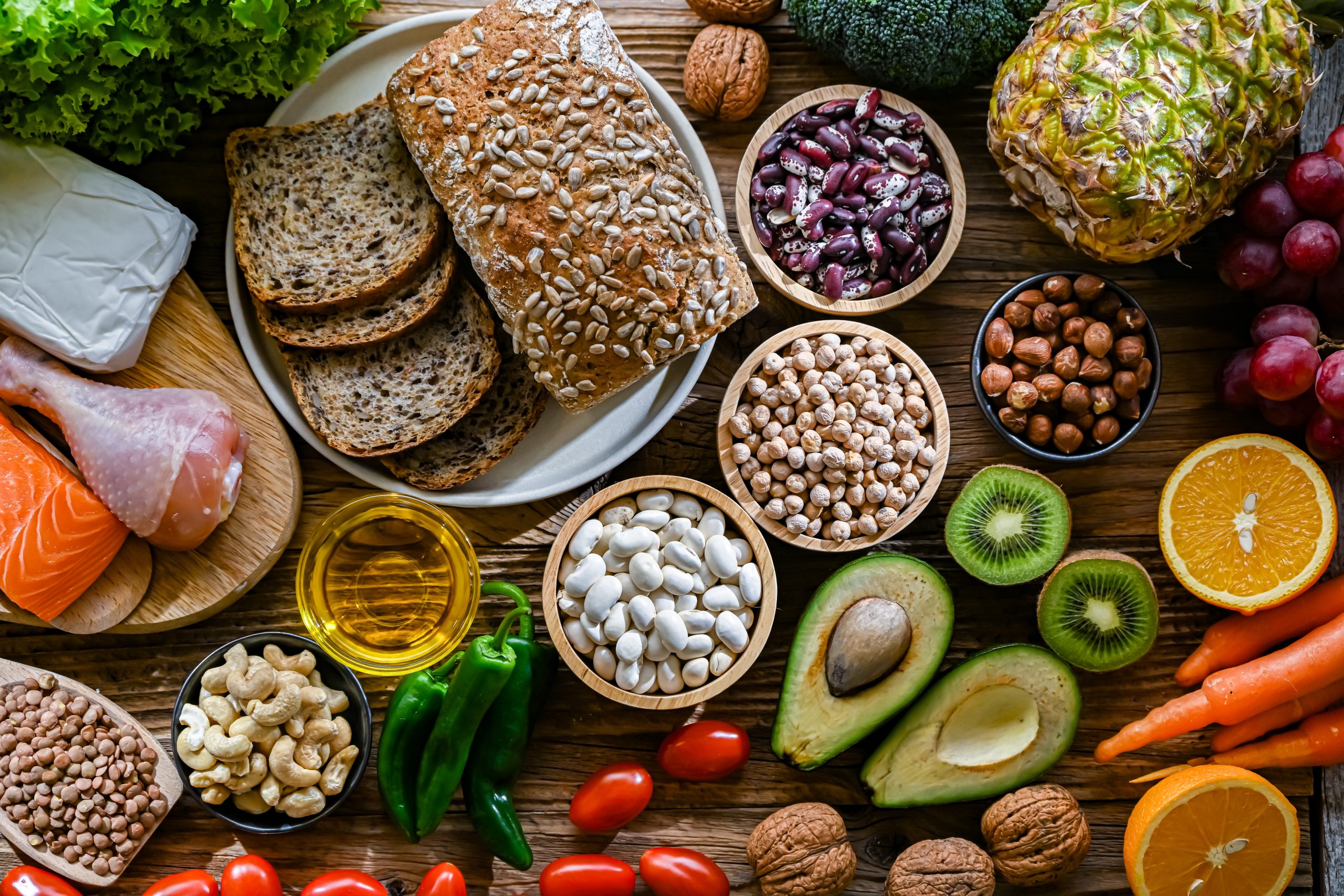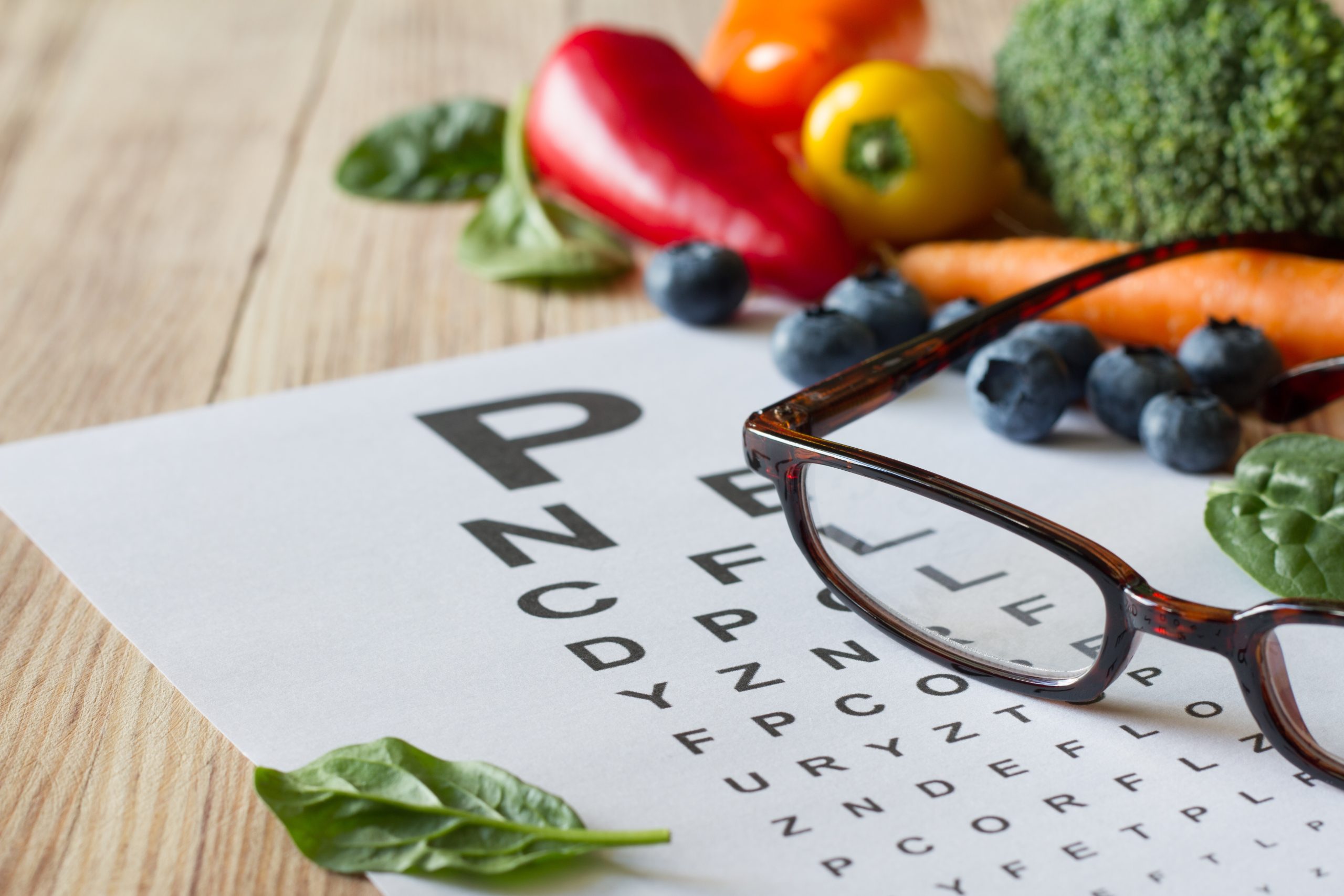

In a world where screens are our constant companions, who knew that your next meal could be the superhero your eyes have been waiting for?
At a Glance
- Foods rich in antioxidants act like windshield wipers for your eyes, clearing away damage.
- Lutein and zeaxanthin are key nutrients that protect against blue light and age-related eye diseases.
- The myth of carrots improving night vision has evolved into a broader understanding of essential nutrients.
- Whole foods, not just supplements, offer a synergistic mix of nutrients beneficial for eye health.
The Myth and the Movement
The legend of carrots granting superior night vision is more than just a tale from World War II propaganda. While carrots are high in beta-carotene, essential for night vision, research now shows a broader spectrum of nutrients play a crucial role in eye health. Lutein and zeaxanthin are particularly important, acting like tiny shields for your eyes, protecting them from blue light and oxidative damage. Today, the carrot’s legendary status is shared by a colorful array of fruits and vegetables.
Our modern lives, glued to screens, have amplified concerns about digital eye strain. The food industry has responded by promoting foods rich in eye-healthy nutrients. From leafy greens to fatty fish, a diet rich in these foods can help reduce symptoms of digital fatigue, making it easier to binge-watch your favorite shows without the guilt.
Watch: Top 10 foods that Improve Your Eyesight
The Nutrient Dream Team
If your eyes were a basketball team, lutein, and zeaxanthin would be the star players. Found in kale, spinach, and eggs, these nutrients filter harmful light and reduce the risk of age-related macular degeneration (AMD). Vitamin C and E, found in citrus and nuts, provide strong antioxidant support, while zinc helps transport vitamin A to the retina, supporting night vision. Omega-3 fatty acids, found in salmon and sardines, support retinal structure and offer anti-inflammatory benefits.
Experts like Dr. Ivana Kim from Harvard Medical School emphasize the importance of these nutrients in protecting the retina from stress. Research supports that a diet high in these nutrients is linked to a reduced risk of AMD and cataracts, while supplements can help, they shouldn’t replace a balanced diet.
The Real Deal: Whole Foods vs. Supplements
While supplements promise concentrated doses of eye-healthy nutrients, experts argue that whole foods offer a more beneficial mix. Whole foods provide a variety of nutrients that work together, offering health benefits beyond what a single supplement can provide. The American Academy of Ophthalmology recommends a diet rich in leafy greens, orange vegetables, and fatty fish over relying solely on pills.
As consumer awareness grows, so does the availability of nutrient-rich foods and supplements. Ongoing research continues to explore the bioavailability and optimal intake levels of these nutrients, ensuring your eyes get the best care possible.
Looking to the Future
The future is bright for those who prioritize eye health. Improved dietary habits can relieve digital eye strain and reduce the risk of eye diseases. As research continually updates dietary recommendations, the focus remains on whole foods. For aging populations, consistent intake of key nutrients could significantly improve quality of life and reduce healthcare costs.
The demand for functional foods and personalized nutrition is accelerating, with eye health taking center stage. From public health campaigns to food industry practices, the push for eye-healthy diets is not only a trend—it’s a revolution redefining how we see the world, quite literally.