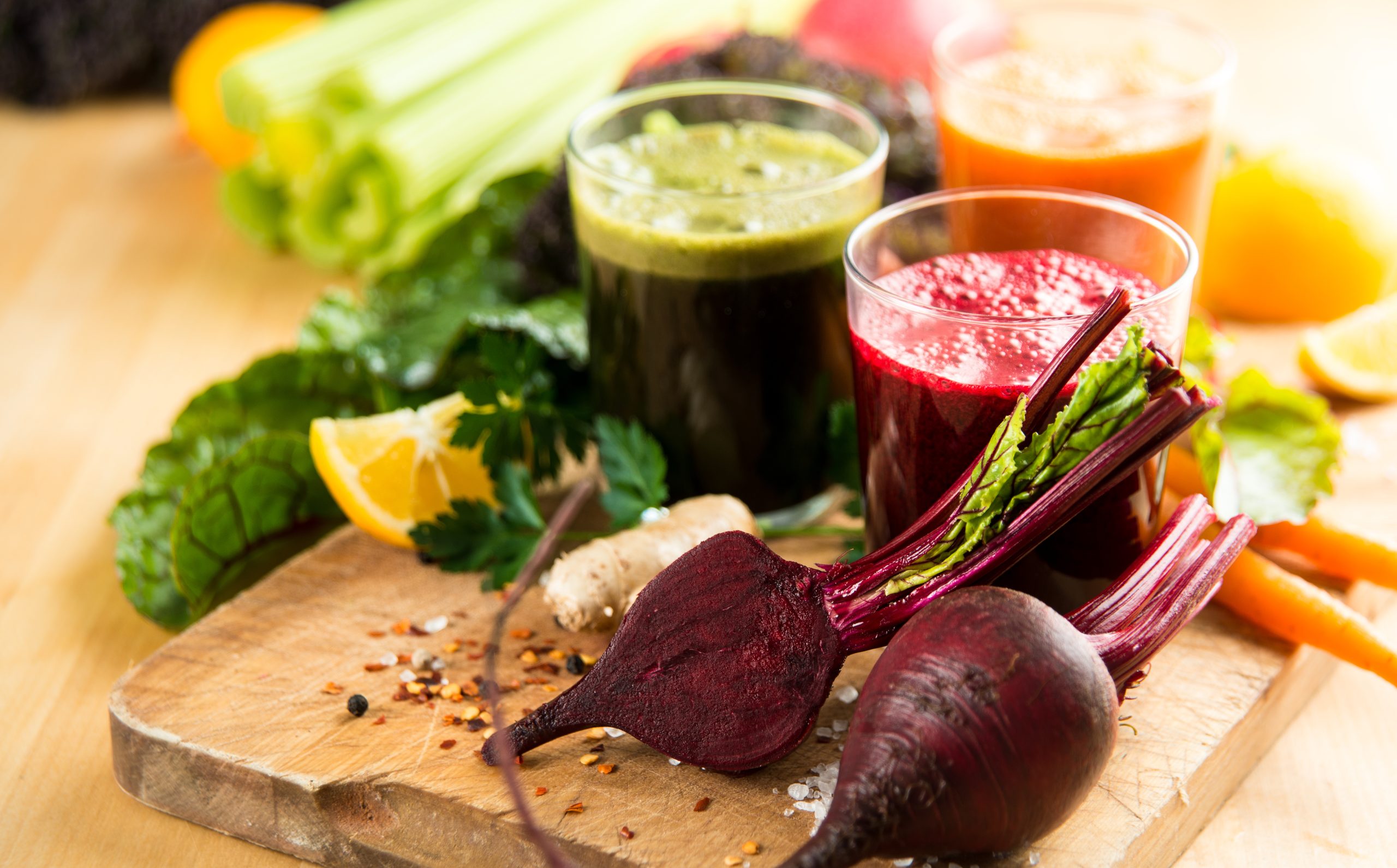

Could the humble beetroot be the secret ingredient missing from your heart health regimen?
At a Glance
- Beets have been cultivated since ancient times for their nutritional benefits.
- Recent studies highlight beets’ high nitrate content beneficial for heart health.
- Dr. Alejandro Junger promotes beets as a superfood in his heart-healthy diet recommendations.
- Research shows beets improve blood flow, lower blood pressure, and enhance brain function.
The Hidden Power of Beets
For centuries, beets have quietly bided their time on the sidelines of the superfood stage, waiting for their moment to shine. With a history dating back to ancient times, these root vegetables were initially prized for their leaves before the sweet, nutrient-rich roots took center stage. Despite their longstanding presence in traditional medicine for digestive and blood health, beets have been overshadowed by the kale and avocado craze. However, recent research is beginning to change that narrative.
Beets are now being touted as an underdog superfood, thanks largely to their high nitrate content. When consumed, these nitrates convert to nitric oxide—a compound celebrated for its ability to enhance cardiovascular function and boost exercise performance. Cardiologists like Dr. Alejandro Junger have hopped on the beet bandwagon, emphasizing their potential to improve heart health and advocating for their inclusion in heart-healthy diets. With more attention shifting towards gut health and detoxification, beets are finding their place in detox programs and clean eating regimens.
Everyone should eat beetroot at least twice a week.
— Dr. Biohacker (@Dr_Biohacker) July 16, 2025
It’s one of the most underrated natural foods for heart, brain, and can even lower blood pressure.
Here’s what beetroot really does (& how to start today): pic.twitter.com/jnW3nqLep6
The Science Behind the Beet
Recent studies have revealed beets’ impressive ability to improve blood flow to the brain, lower blood pressure, and enhance exercise endurance. Researchers at institutions like Wake Forest University have been key players in uncovering these benefits. One promising study demonstrated that beetroot juice supplementation before exercise could make the brains of older adults function more efficiently, akin to younger brains. These findings are part of a growing body of evidence linking beets to improved cardiovascular health and cognitive function.
The wellness industry has seized upon these revelations, with beet-based supplements, juices, and powders flooding the market. As consumers become more health-conscious and seek natural ways to enhance their well-being, beets are finding favor as a versatile and potent dietary addition. The buzz around nitric oxide research continues to build, further solidifying beets’ status as a powerful dietary source.
Watch: How Quickly Does Beet Juice Lower Blood Pressure? – Cardiology Community
Beets and the Future of Health
The recognition of beets as a superfood is gaining momentum, with their inclusion in health programs and dietary recommendations becoming more frequent. The potential short-term impact includes increased consumer interest in beet-based products, while the long-term implications suggest a reduction in cardiovascular and neurodegenerative disease risk through dietary intervention. Older adults and individuals with cardiovascular or respiratory conditions stand to benefit the most from beet supplementation.
Economically, the wellness industry and agricultural producers are poised to reap the rewards of heightened demand for beets. Socially, dietary habits may shift towards more diverse superfoods, and politically, beet advocacy could influence public health policy and dietary guidelines if evidence continues to support their benefits. With the functional food and supplement sectors likely to expand their beet-based offerings, the future looks bright for this once-overlooked vegetable.