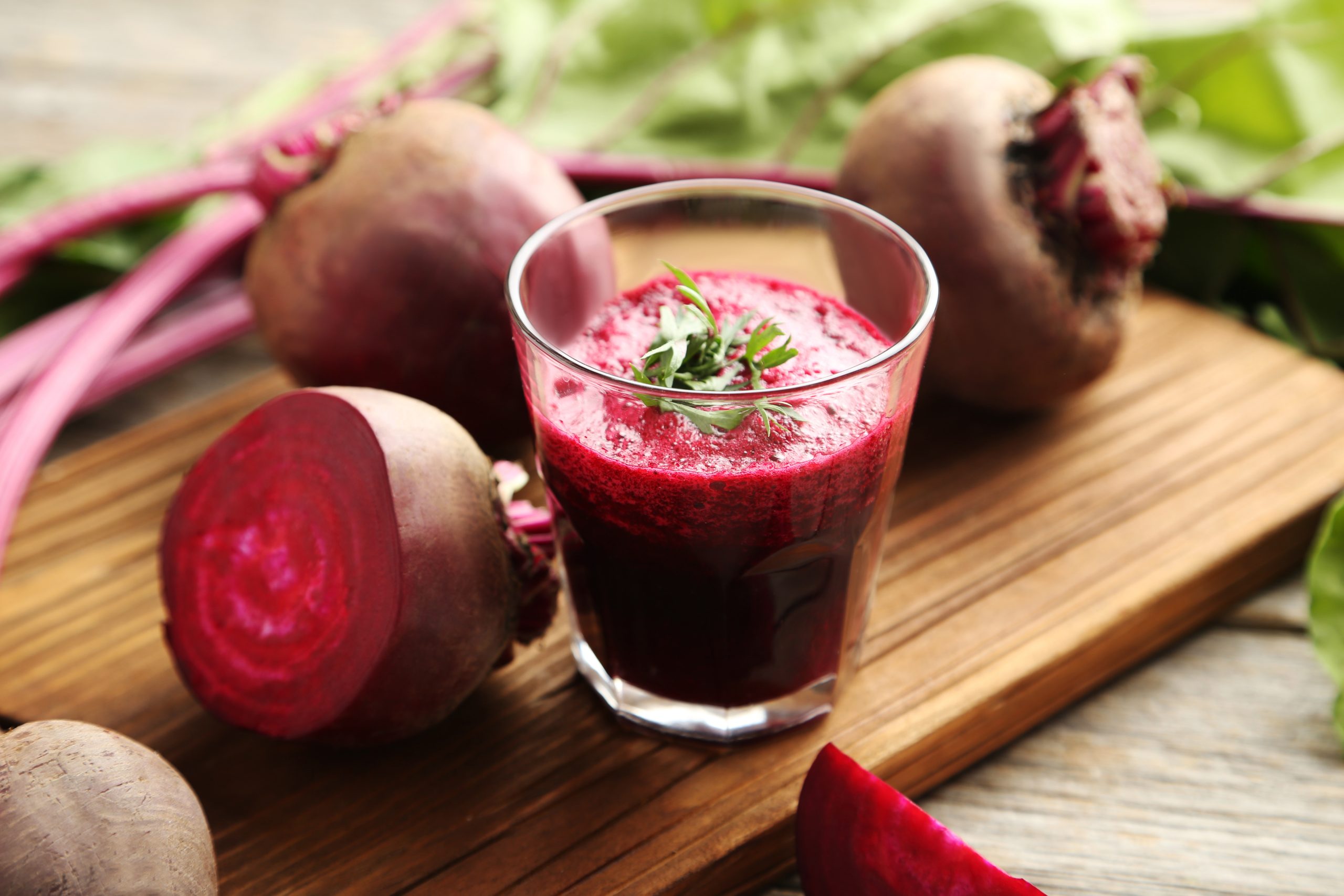

One glass of beetroot juice might do more for your heart than decades of prescription pills ever promised—if you’re old enough for the magic to work.
Quick Take
- Beetroot juice lowers blood pressure in older adults but not in younger individuals
- Oral bacteria changes triggered by beet juice drive the effect
- Study is the largest of its kind, using gene sequencing for microbiome analysis
- Experts suggest beet juice could shape future dietary guidelines for seniors
Beetroot Juice Offers Age-Specific Blood Pressure Benefits
University of Exeter researchers have upended the conventional wisdom about dietary interventions and aging. By tracking nearly 80 participants across age groups, the team revealed that drinking concentrated beetroot juice twice a day for two weeks causes a measurable blood pressure drop—but only in people in their sixties and seventies. Younger adults, despite the same regimen, saw no such benefit. The game-changer lies not in the juice itself, but in how the aging mouth transforms its nitrates into a vessel-relaxing compound that modern science barely understood until now.
Gene sequencing technology let scientists watch older adults’ oral bacteria change in direct response to the beetroot juice. Certain bacteria became more abundant, supercharging the body’s ability to convert dietary nitrate into nitric oxide—a molecule critical for relaxing blood vessels. This shift is no minor footnote. Older adults naturally produce less nitric oxide, making them more susceptible to hypertension. The study’s results suggest that dietary nitrate, delivered through beetroot juice, can bridge this biochemical gap, offering a potent, non-drug weapon in the fight against high blood pressure.
Oral Microbiome: The Forgotten Organ in Heart Health
For years, medical advice focused on sodium, exercise, and prescription drugs. This research places the oral microbiome—a community of bacteria living in the mouth—front and center in cardiovascular health for seniors. The findings show that as we age, the oral environment loses some of its nitrate-converting prowess. Beetroot juice restores this function, not by acting directly on blood vessels, but by reshaping the bacterial population that powers nitric oxide production. Researchers analyzed saliva samples before and after the intervention, confirming that the blood pressure drop was closely tied to these microbiome changes rather than other lifestyle factors.
Hypertension remains the leading risk factor for heart disease and stroke among older adults. The potential to control it, at least in part, by simply altering what we drink is a proposition that demands attention from patients and physicians alike. The study’s authors emphasize that while beetroot is the star, other nitrate-rich vegetables may offer similar benefits, broadening the implications for diet and public health policy.
Expert Analysis and Implications for Seniors
Professor Anni Vanhatalo, the study’s lead, calls the findings “a significant advance in our understanding of non-pharmacological strategies for blood pressure control in older adults.” Medical experts like Dr. Marc Siegel echo this sentiment, noting that nitrates not only relax blood vessels but also reduce vascular inflammation, another age-related risk. Nutritionists highlight that the effect is both age-specific and microbiome-dependent, meaning the same juice offers little to no benefit for younger adults whose oral bacteria are already optimized for nitrate conversion.
Healthcare professionals see immediate implications for dietary guidelines. Seniors looking for an alternative to medication may soon find beetroot juice prescribed alongside exercise and lower salt intake. The supplement industry, always eager to capitalize on new science, is likely to respond with an array of nitrate-rich products aimed at this demographic. As awareness grows, expect grocery stores to promote beet juice and similar vegetable-based drinks in the health food aisles—perhaps with a new emphasis on their microbiome-boosting credentials.
What Comes Next: Research, Recommendations, and Industry Response
The Exeter study is already driving calls for further research into long-term outcomes and broader dietary strategies for seniors. Medical analysts urge caution before making sweeping changes to public health policy, pointing out the need for larger, multi-ethnic studies to confirm these results across diverse populations. However, the consensus is clear: this is more than a nutritional fad. It is a potential paradigm shift in how we approach aging, hypertension, and the interplay between diet and the microbiome.
Older adults, especially those struggling with blood pressure, have a new tool in their arsenal—one that doesn’t require a prescription, comes with minimal side effects, and may improve heart health by harnessing the power of their own oral bacteria. The era of the microbiome is only beginning, and for the aging population, beetroot juice may be the most promising—and palatable—prescription yet.
Sources:
Nitrate-rich vegetables and cardiovascular health: Review
Oral microbiome changes explain blood pressure reduction from beetroot juice
Beet juice blood pressure benefit study
Drinking specific vegetable juice could reduce older adults’ blood pressure: study
Beetroot juice lowers blood pressure in older adults: new study shows