
Chefs and food scientists have finally found a simple kitchen method to tackle arsenic in rice without compromising its nutrients.
Story Snapshot
- Parboiling with absorption (PBA) method effectively reduces arsenic in rice.
- University of Sheffield led the comprehensive research.
- The method retains essential nutrients while removing arsenic.
- Accessible to home cooks without specialized equipment.
Understanding Arsenic in Rice
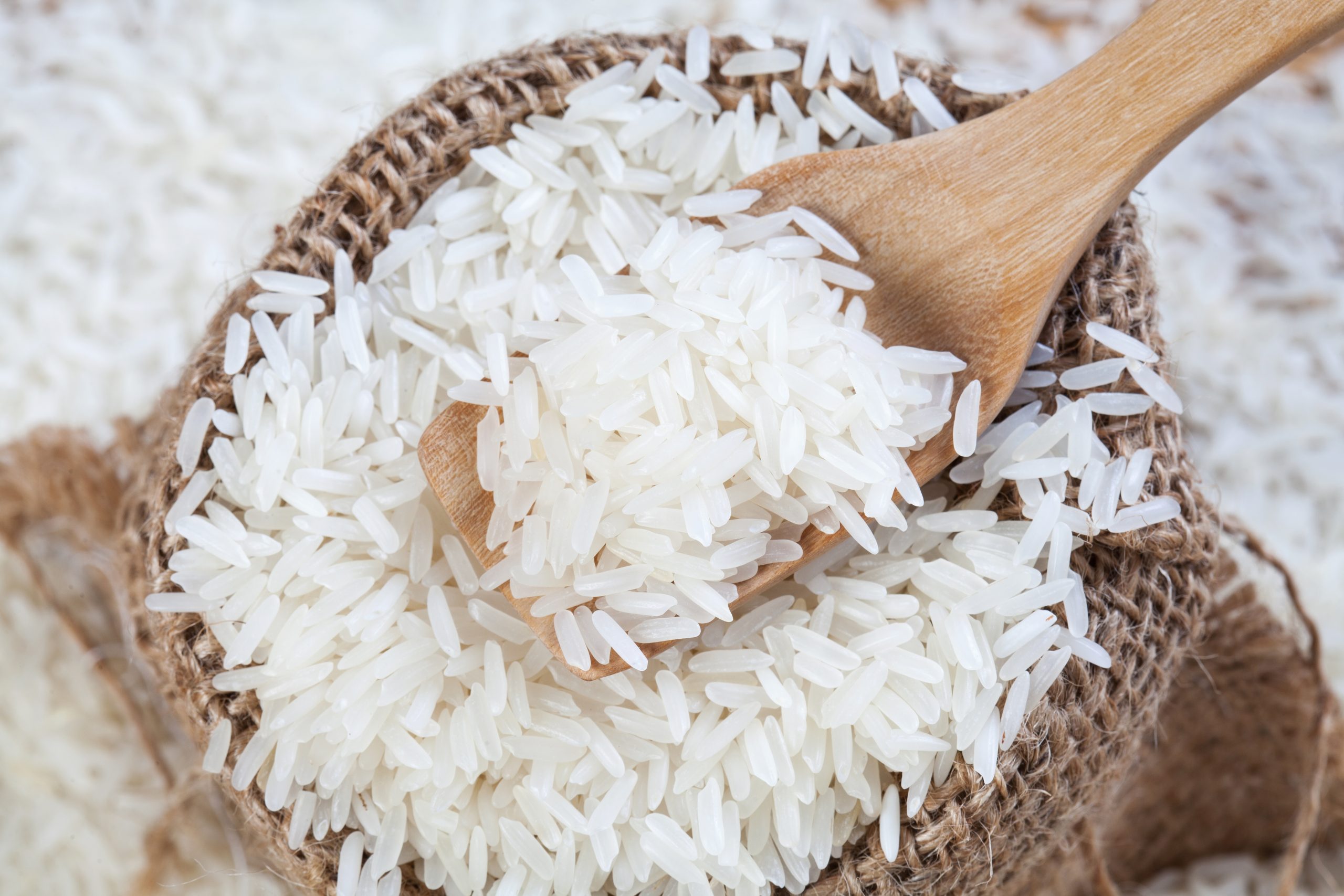
Arsenic contamination in rice is a well-documented public health issue due to rice’s propensity to absorb arsenic from flooded fields. This heavy metal is categorized as a Group 1 carcinogen, with rice accumulating about ten times more arsenic than other grains. The contamination primarily resides in the outer bran layer, making brown rice particularly risky, though white rice loses nutrients when milled.
Initial findings suggested that cooking rice in excess water could reduce arsenic content, but this method also depleted vital nutrients. This paradox prompted further research, leading to the development of the Parboiling with Absorption (PBA) method, which promises to balance arsenic reduction with nutrient preservation.
Pioneering Research and Discoveries
The University of Sheffield has been at the forefront of arsenic reduction research, with recent findings highlighting the efficacy of the PBA method. This cooking technique involves parboiling the rice, which reduces arsenic levels by over 50% in brown rice and 74% in white rice, while retaining essential minerals. Dr. Manoj Menon, who led the study, emphasizes the practicality and accessibility of this method for home cooks.
Learn about the arsenic levels in white and brown rice, how to lower those levels, and tips for avoiding long-term health risks from exposure. https://t.co/lCifgIWbfD
— EatingWell Magazine (@EatingWell) November 29, 2025
The research underscores a shift from agricultural solutions to consumer-level interventions, making it possible for individuals to implement these methods without waiting for long-term agricultural innovations. This approach democratizes arsenic reduction, providing an immediate impact on public health.
Implications for Consumers
Consumers, especially those preparing rice for infants and young children, can now adopt the PBA method to significantly reduce arsenic exposure. This intervention is crucial, given the vulnerability of these populations to arsenic’s harmful effects. The method’s simplicity—requiring only standard kitchen equipment—ensures widespread applicability and ease of adoption.
By bridging scientific research with practical application, the method enables consumers to take control of their health risks without relying on complex solutions. This empowerment of home cooks aligns with broader food safety goals, offering a proactive approach to dietary concerns.
Broader Impact and Future Directions
The PBA method is a crucial step toward integrated arsenic-reduction strategies that combine agricultural and consumer-level practices. While short-term solutions focus on cooking methods, long-term strategies will involve breeding low-arsenic rice strains and improving irrigation practices. The research highlights the need for ongoing innovation and collaboration among scientists, regulators, and consumers.
This research not only influences individual health decisions but also guides policy and industry practices. As regulatory bodies continue to set standards for arsenic in food, the findings support evidence-based guidelines that protect public health. The rice industry may also adapt processing methods to further enhance safety and nutritional value.
Sources: