
What if the supplement you’ve been told to avoid could actually help—if, and only if, you’re already facing the very diseases it’s blamed for causing?
Story Snapshot
- Beta-carotene supplements are usually cautioned against, but new research suggests they may be harmless—or even helpful—for people already battling cancer or heart disease.
- “Cuomo’s Paradox” flips nutritional advice by showing that what’s risky for the healthy may not apply to the seriously ill.
- Experts remain firm: beta-carotene supplements raise lung cancer risk for smokers and those exposed to asbestos.
- Clinical recommendations may need to shift from one-size-fits-all to tailored strategies for people with chronic disease.
Beta-Carotene: The Popular Supplement with a Dark Side
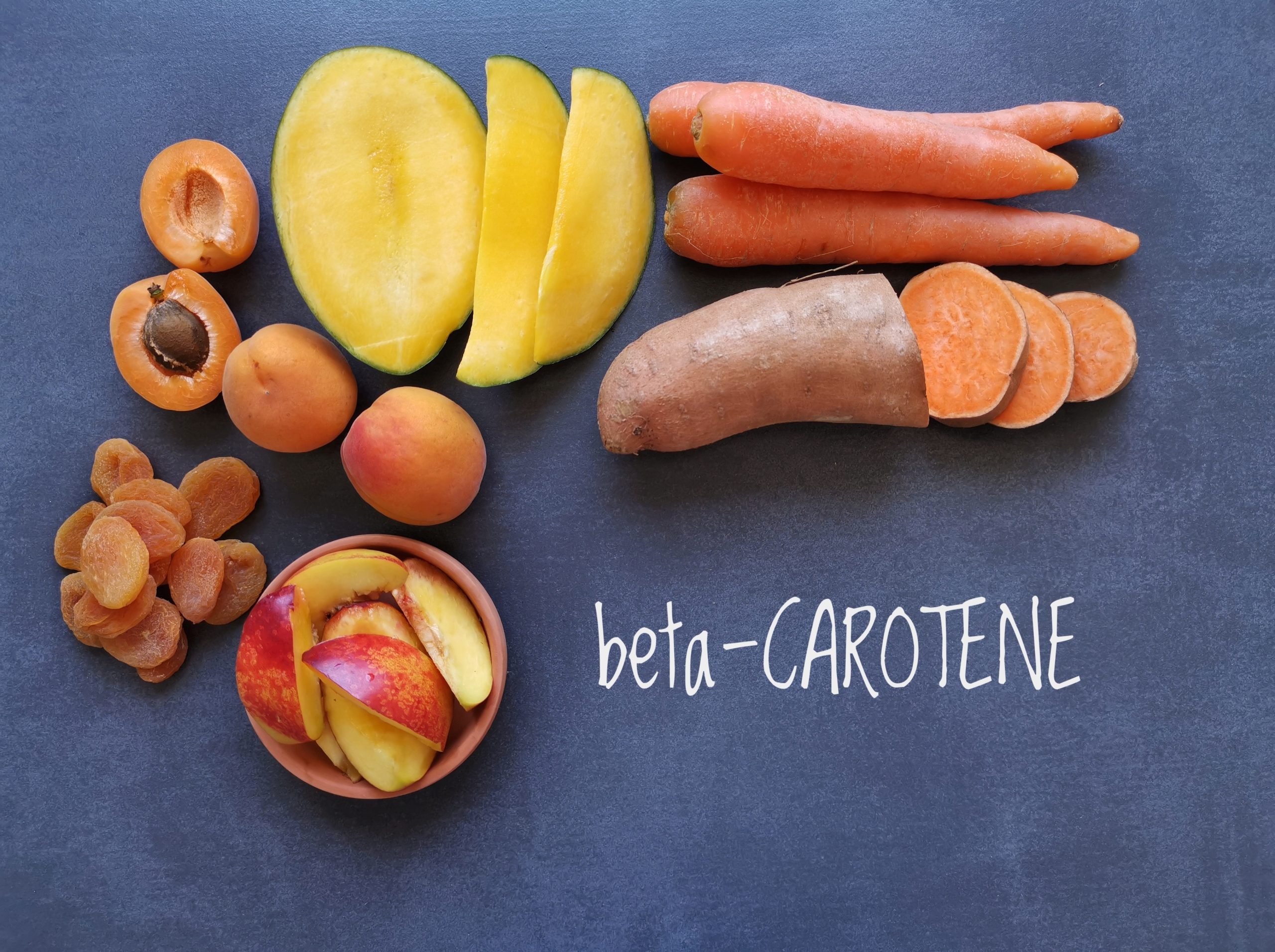
Beta-carotene, the pigment responsible for the orange hues of carrots and sweet potatoes, has long enjoyed the spotlight in the supplement aisle. Known for its role in converting to vitamin A, it’s essential for vision, immunity, and even reproductive health. For most Americans, a balanced diet provides enough of this nutrient. Yet, the allure of boosting health with a pill has led millions to reach for beta-carotene supplements—sometimes with unintended consequences.
In the 1990s, researchers hoped beta-carotene would be a silver bullet against cancer. Those hopes crashed when studies revealed a disturbing trend: smokers and people exposed to asbestos who took high doses of beta-carotene actually had an increased risk of developing lung cancer. The antioxidant, instead of neutralizing harmful molecules, could flip into pro-oxidant territory under certain conditions, like the oxygen-rich environment of a smoker’s lungs. The US Preventive Services Task Force now recommends against using beta-carotene supplements to prevent cancer or cardiovascular disease in healthy populations.
Cuomo’s Paradox: When the Rules Change for the Seriously Ill
Raphael Cuomo, a biomedical scientist at UC San Diego, has thrown a wrench into the supplement debate with a twist: for people who already have serious illnesses like cancer or heart disease, the dangers of beta-carotene may not apply. Dubbed “Cuomo’s Paradox,” his research suggests that nutrients—and even risk factors like elevated cholesterol—can have radically different effects depending on whether someone is healthy or already sick. For cancer and heart disease patients, excess beta-carotene doesn’t seem to shorten survival, contradicting the dire warnings for the general public.
Cuomo’s findings, published in the Journal of Nutrition, challenge the instinct to apply prevention guidelines to people with advanced disease. He urges clinicians to tailor their advice, warning that following standard rules could do more harm than good for certain patients. Millions of Americans currently live with cancer or heart disease, raising the stakes for getting these recommendations right.
Why Beta-Carotene Is Not One-Size-Fits-All
Beta-carotene’s effects depend on context. Healthy individuals, especially smokers or those exposed to toxins, should steer clear of high-dose supplements. But for people struggling with malnutrition, digestive disorders like celiac or cystic fibrosis, or difficulty absorbing vitamin A, supplementation can prevent deficiency symptoms such as night blindness, reproductive issues, and frequent infections. For those already diagnosed with serious illnesses, Cuomo’s Paradox suggests that the risk-to-benefit calculation shifts—potentially making supplementation less harmful, or even beneficial, despite earlier warnings.
Diet remains the gold standard for most: carrots, sweet potatoes, and dark leafy greens provide a safe, effective way to get beta-carotene. For the animal-based crowd, retinol—the other form of vitamin A—is found in liver, fish, and eggs. Supplements should be a last resort, reserved for those with a doctor’s recommendation and special health considerations.
The New Frontier: Personalized Supplement Advice
Cuomo’s Paradox puts the spotlight on the need for personalized medicine. The days of blanket health advice may be numbered, as more research uncovers these paradoxes in nutrition science. Prevention and treatment are not always two sides of the same coin. What helps keep disease at bay in a healthy body might fail—or even backfire—when illness takes hold. The path forward: clinicians must weigh individual patient needs, disease status, and the best available evidence before recommending supplements like beta-carotene.
For now, the message is clear. If you’re healthy, focus on food. If you’re already fighting a serious illness, ask your doctor before tossing out that supplement bottle—you might be living in the exception that proves the rule.
Sources:
Viral carrotmaxxing trend sparks ER visits
RFK Jr. spotlights vitamin to fight measles — but experts say not so fast
Should you be taking a vitamin A supplement?
Cancer dietitian reveals 3 things she won’t do because of risks