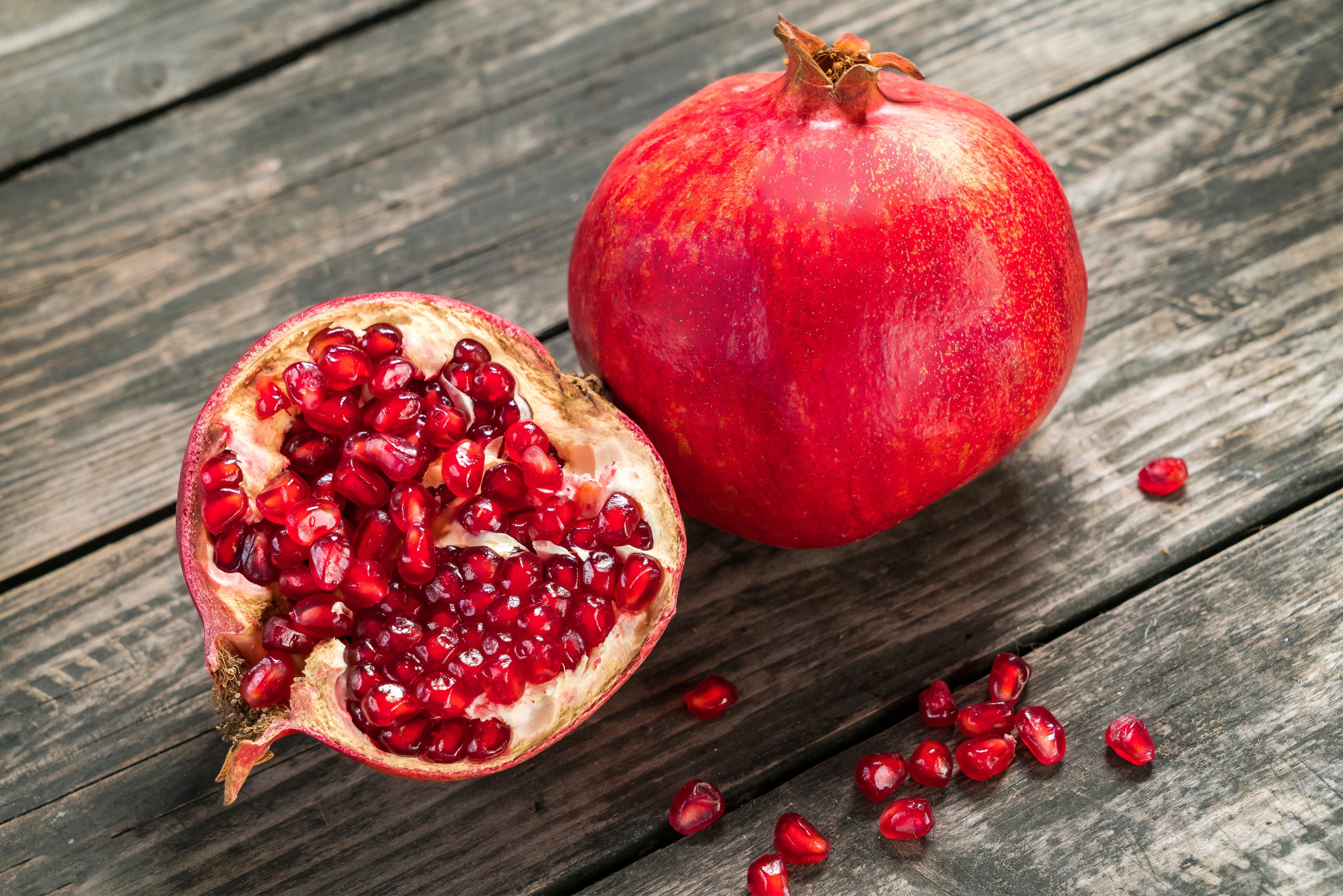

The controversial nature of L-Carnitine supplements and their potential risks can be countered by a surprising ally: pomegranate.
Story Snapshot
- L-Carnitine supplements are under scrutiny due to potential health risks.
- Pomegranate may help mitigate these adverse effects.
- Understanding the interaction between L-Carnitine and pomegranate is crucial.
- Consumers need clear guidance on supplement usage and safety.
The Controversy Surrounding L-Carnitine
L-Carnitine, a naturally occurring amino acid derivative, is often used as a supplement to aid in weight loss and enhance athletic performance. However, its benefits come with a fair share of skepticism. Some studies suggest that excessive intake could potentially lead to cardiovascular issues. The body converts L-Carnitine into a compound called trimethylamine-N-oxide (TMAO), which is linked to heart disease. This potential risk has sparked debate over the safety of regular L-Carnitine supplementation.
Despite these concerns, L-Carnitine remains popular, especially among fitness enthusiasts and bodybuilders. The supplement is believed to help the body produce energy by transporting fatty acids into the mitochondria, the cell’s powerhouses. But the question remains: do the potential benefits outweigh the risks? The controversy requires a deeper understanding of how L-Carnitine interacts with other dietary elements and its long-term effects on health.
The Role of Pomegranate
Enter pomegranate, a fruit known for its potent antioxidant properties. Recent studies suggest that pomegranate juice could play a significant role in neutralizing the adverse effects of L-Carnitine. The antioxidants in pomegranate help reduce oxidative stress and inflammation, potentially offsetting the harmful TMAO production associated with L-Carnitine. This interaction opens up a promising avenue for consumers who wish to continue using L-Carnitine without compromising their cardiovascular health.
Combining pomegranate with L-Carnitine could provide a balanced approach to supplementation. The fruit’s natural compounds may not only mitigate risks but also enhance the overall efficacy of L-Carnitine by supporting heart health. This combination might be a game-changer for those looking to benefit from L-Carnitine while minimizing potential drawbacks.
Practical Implications for Consumers
For individuals considering or already using L-Carnitine supplements, the addition of pomegranate to their diet could be a strategic move. However, this should not be a substitute for professional medical advice. Consulting with healthcare providers ensures personalized recommendations based on individual health profiles and needs. It’s crucial to approach supplementation with caution and awareness of potential interactions.
Moreover, the supplement industry is rife with products of varying quality. Consumers should prioritize supplements from reputable sources and verify ingredient lists for authenticity and safety. Transparency in labeling and adherence to regulatory standards are key factors in making informed choices. As research continues to evolve, staying updated on scientific findings will empower consumers to navigate the complex landscape of dietary supplements effectively.