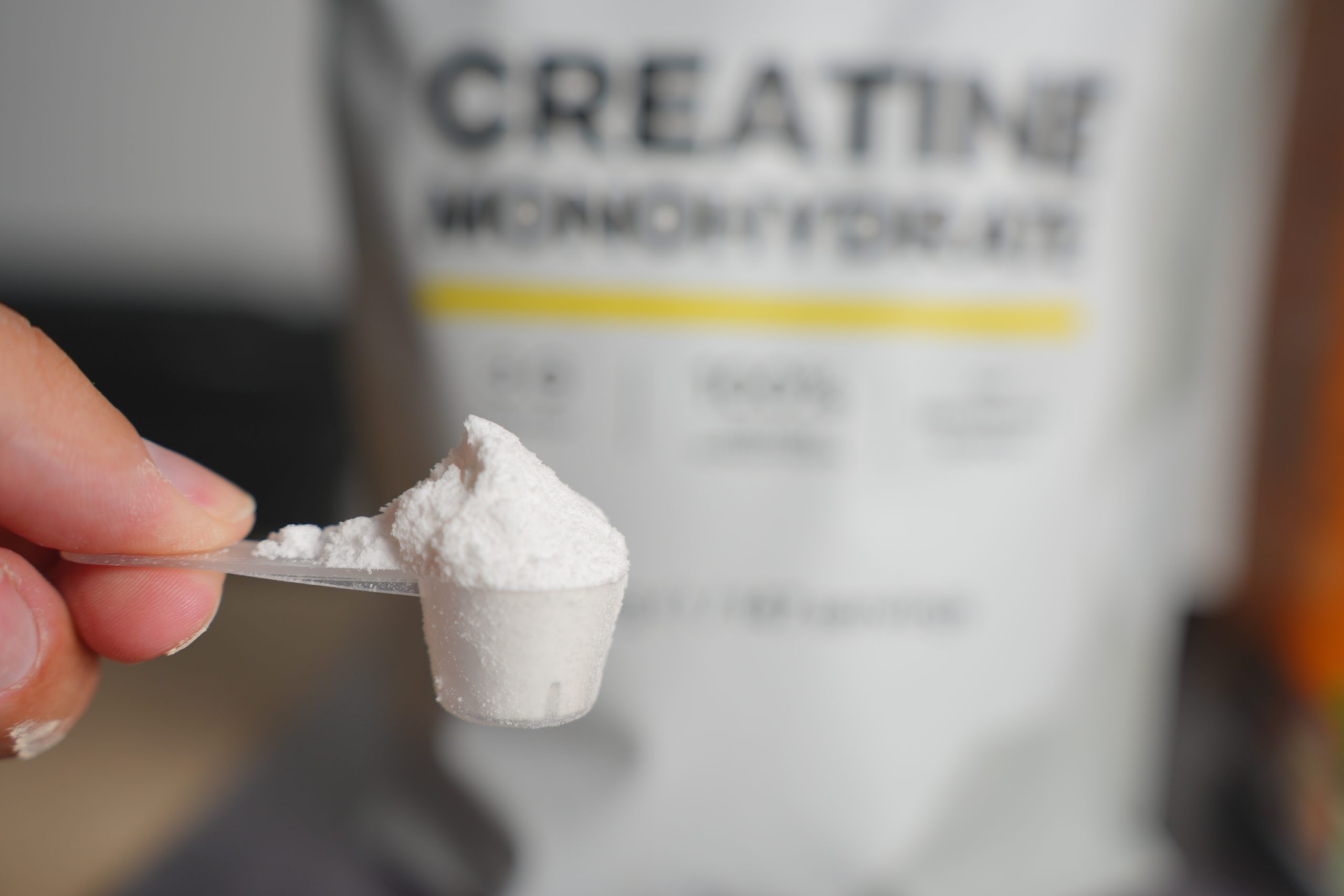

A major 2024 study reveals that higher dietary creatine intake is linked to a 5% lower cancer risk in U.S. adults.
Quick Take
- New NHANES data analysis shows each standard deviation increase in dietary creatine correlates with 5% reduced cancer risk
- Protective effects are strongest in older adults (14% reduction), males (7%), and overweight individuals (8%)
- Creatine’s anti-inflammatory and immune-boosting properties may enhance CD8+ T cell activity against tumors
- Study represents first large-scale human evidence, though cross-sectional design cannot prove causation
The First Human Evidence Changes Everything
For three decades, creatine has been studied as a performance enhancer for athletes. Mouse studies hinted at something bigger: creatine powers killer T cells that fight tumors. But nobody had solid human data. A 2024 analysis of nearly 20,000 Americans from the National Health and Nutrition Examination Survey finally provided it. The findings are striking enough to reshape how we think about this common dietary compound.
What the Data Actually Shows
Researchers examined dietary creatine intake from foods like beef and herring across NHANES cycles from 2011 to 2018. The results surprised many: for every standard deviation increase in creatine consumption, cancer risk dropped by 5%. That’s modest but measurable. When they dug deeper into age groups, the pattern became more dramatic. Adults over 60 showed a 14% risk reduction per standard deviation increase. Men benefited more than women at 7% reduction. Overweight individuals saw 8% protection. But here’s the catch: underweight people showed the opposite trend, with increased risk.
Why Creatine Might Protect Against Cancer
Creatine serves as a cellular energy powerhouse, regenerating ATP in your mitochondria. Beyond energy, it triggers immune responses that matter for cancer defense. Research suggests creatine enhances CD8+ T cells, the body’s elite tumor fighters. It reduces inflammation and oxidative stress, two drivers of cancer development. UCLA researchers demonstrated in 2024 that creatine supplementation amplified T cell anti-tumor activity in mice, even synergizing with PD-1 immunotherapy. This mechanism explains why older adults benefit most: aging weakens immune function, and creatine appears to compensate.
Meet My Healthy Doc – instant answers, anytime, anywhere.
Watch:
The Uncomfortable Contradictions
Before celebrating, consider the complications. Some preclinical studies show creatine suppressed tumors but promoted metastasis in colorectal and breast cancer models. The NHANES study itself is cross-sectional, meaning it captures associations at one moment, not causation over time. Dietary recall bias is real: people misremember what they ate. Unmeasured confounders could explain the link. And the relationship isn’t linear. Risk initially rises with moderate intake, then falls at higher levels, suggesting a complex biological dance we don’t fully understand.
Got a health question? Ask our AI doctor instantly, it’s free.
What Happens Next
The study authors themselves acknowledge the obvious: prospective trials are essential. You cannot prescribe creatine for cancer prevention based on observational data. The supplement industry will likely amplify these findings to boost sales. Oncologists at Memorial Sloan Kettering and ASCO remain cautious, noting potential metastasis risks alongside immune benefits. The real value lies in triggering rigorous randomized controlled trials that could confirm or refute this association in real time.
Your instant doctor companion – online 24 hours a day.
Sources:
Frontiers in Nutrition: Dietary Creatine and Cancer Risk Analysis
UCLA Health: Creatine Powers T Cells to Fight Against Cancer
Memorial Sloan Kettering Cancer Center: Creatine Overview
Mind Body Green: Recent Study Shows Creatine Intake and Lower Cancer Rates