
The fungal networks beneath our feet are quietly revolutionizing everything from your dinner plate to your skincare routine, turning agricultural waste into nutritional gold.
Story Snapshot
- Mushroom mycelium transforms food waste into high-protein alternatives with 90% less environmental impact than meat
- Singapore startup Mycrocell pivots from food to cosmetics, creating edible beauty ingredients from fungal networks
- Ancient fermentation techniques meet modern biotechnology to combat malnutrition and climate change
- Mycelium-based products deliver superior texture and umami flavor compared to traditional plant protein isolates
The Underground Network That’s Above Ground Innovation
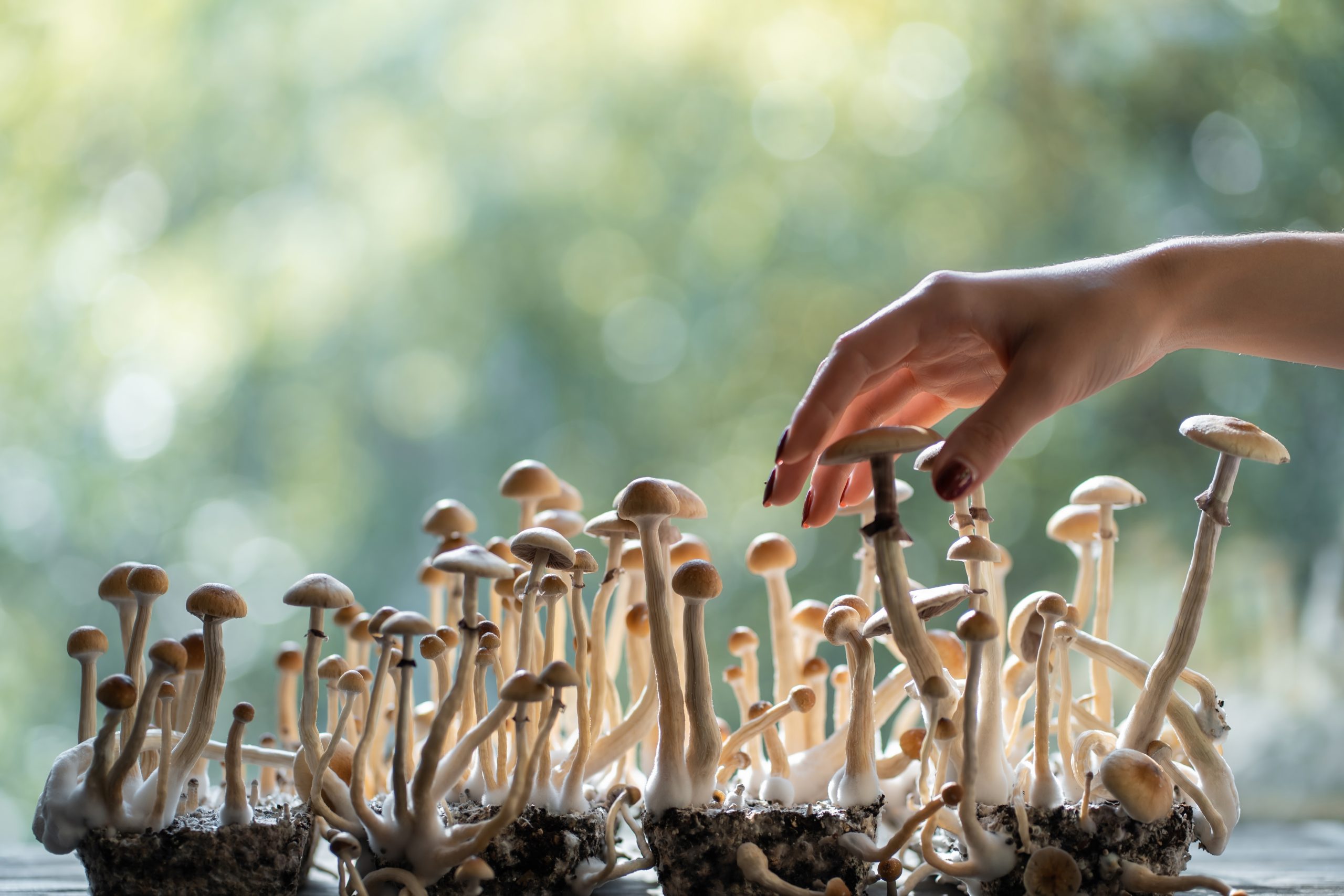
Mycelium represents nature’s original recycling system. These thread-like fungal networks decompose organic matter, store carbon, and exchange nutrients with plants in a complex underground web that supports entire ecosystems. What food scientists discovered is that this natural waste-processing powerhouse can be harnessed in controlled environments to create something remarkable: a sustainable ingredient that bridges the gap between nutrition and environmental responsibility.
The biotech revolution transforms this ancient process through modern bioreactors, scaling production from laboratory curiosities to commercial viability. Companies like Singapore’s Mycrocell demonstrate how mycelium cultivation requires minimal land and water compared to traditional protein sources, addressing critical resource constraints while delivering superior nutritional profiles.
From Food Security to Beauty Counter Revolution
Raymond Tham’s journey with Mycrocell illustrates how innovative thinking can pivot a single technology across multiple industries. Initially developed as part of Singapore’s 30×30 food security initiative, Mycrocell’s mycelium production caught attention for its potential beyond nutrition. The startup’s expansion into cosmetics capitalizes on mycelium’s unique safety profile—it’s completely edible, making it inherently safe for topical applications.
This crossover potential stems from mycelium’s rich composition of polysaccharides, peptides, and natural compounds with anti-inflammatory properties. Unlike mature mushrooms that have been used in beauty products, mycelium represents the juvenile, rapidly-growing root structure that can be cultivated on various substrates, enabling precise control over its properties and scalability without waste.
Nutritional Powerhouse Meets Environmental Champion
The environmental mathematics of mycelium production reveal why this ingredient captures attention from sustainability experts. Traditional meat production requires massive inputs of land, water, and energy while generating significant greenhouse gas emissions. Mycelium flips this equation, utilizing agricultural waste streams that would otherwise decompose or require disposal, converting them into nutrient-dense biomass.
Research demonstrates mycelium’s capacity to enhance bioavailability of nutrients in plant materials through a process called myceliation. This natural fermentation increases protein content while improving digestibility and flavor profiles. Studies comparing mycelium-based proteins to conventional plant protein isolates consistently show superior texture, umami characteristics, and environmental footprints that are four to ten times smaller than animal-based alternatives.
Watch:
Market Reality Meets Laboratory Promise
The commercial landscape for mycelium ingredients shows both established successes and emerging opportunities. Quorn’s mycoprotein represents decades of market validation in food applications, while newer entrants like ChagaRoot and Äio explore specialized applications from super-nutrients to palm oil alternatives in beauty products. These developments suggest a maturing industry moving beyond proof-of-concept toward mainstream adoption.
However, the transition from laboratory to commercial cosmetics faces typical challenges of new ingredient development. While Mycrocell emphasizes the edibility and safety advantages of their mycelium extracts, specific beauty benefits like skin brightening require extensive testing and validation. The company actively seeks partnerships with cosmetics manufacturers to advance these applications, indicating the collaborative nature of this emerging sector.
Meet My Healthy Doc – instant answers, anytime, anywhere.
Sources:
Mycrocell Pushing Mushroom Mycelium as Natural and Sustainable Ingredient for Cosmetics
Mushroom Mycelium Transforms Ingredients Into Super-Nutrients
How Mycelium-Based Products Are Shaping the Future of Food
The Role of Mycelium in Sustainable Food Systems
Mycelium: The Super Ingredient of the Food Industry
Feeding Plant Remnants to Fungi Produces a Sustainable Source of Vegan Protein
Sustainable Innovation: How Fungi-Based Proteins Are Changing the Game
Plant Based Foods Association: Fungi-Based Proteins Innovation
The Future of Clean Beauty: How Äio Is Brewing a Palm Oil Revolution