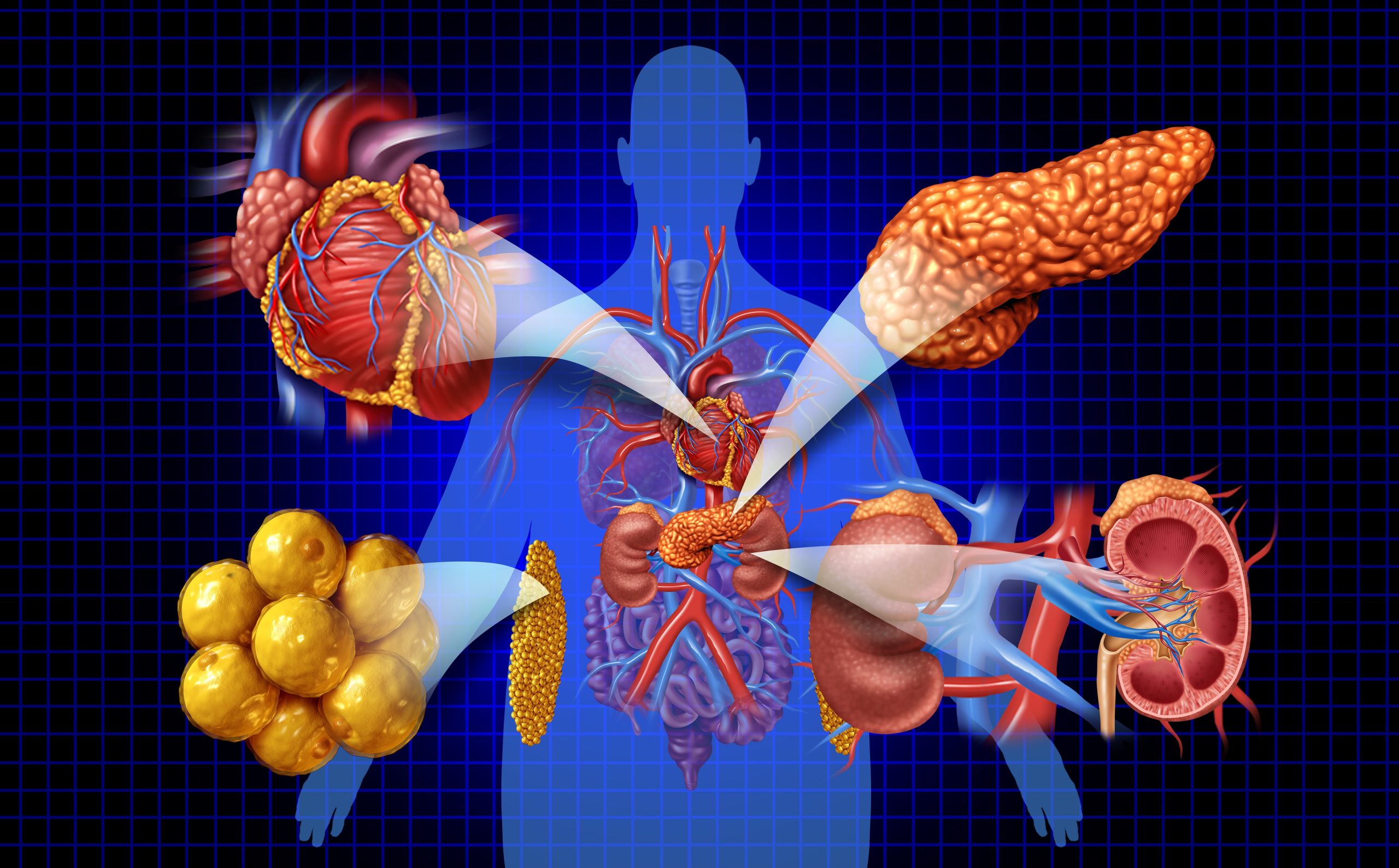

Nearly 90% of U.S. adults carry risk factors for a silent health crisis called cardiovascular-kidney-metabolic (CKM) syndrome, yet only 12% have ever heard of it.
Story Snapshot
- CKM syndrome links heart disease, kidney issues, diabetes, and obesity in a vicious cycle affecting 90% of Americans.
- AHA survey shows 88% ignorance despite high stakes for heart attacks and strokes.
- Condition remains reversible for most through lifestyle changes and coordinated care.
- The American Heart Association defined CKM in 2023, pushing for holistic treatment over siloed approaches.
- Public demands info: 79% want diagnosis and treatment guidance now.
CKM Syndrome Defined and Its 2023 Origins
The American Heart Association defined cardiovascular-kidney-metabolic (CKM) syndrome in October 2023. This condition unites heart disease, kidney disease, diabetes, and obesity. High blood pressure, abnormal cholesterol, elevated blood glucose, excess weight, and poor kidney function form its core risks. One organ’s failure triggers others, creating a hidden cycle. A JAMA study revealed 90% of U.S. adults have at least one factor; 33% face three or more.
AHA experts like Eduardo Sanchez, M.D., stress interconnected systems demand unified action. Past efforts treated risks separately, missing the synergy that amplifies dangers. CKM formalizes decades of evidence into an actionable framework.
Conservatives value personal responsibility; facts support CKM’s reversibility via diet and exercise aligns with self-reliance over endless pills.
Watch:
Shocking Awareness Gap from 2025 Survey
Harris Poll surveyed 4,007 U.S. adults from August 6-22, 2025, for AHA. Results dropped October 20, 2025: only 12% knew of CKM. Yet 90% bear risks. Misconceptions abound—68% manage conditions individually, 42% think heart health stands alone.
Interest surges despite ignorance: 79% seek diagnosis info, 72% want treatment details. Sanchez warns combined risks spike heart attack, stroke, and failure odds far beyond single issues.
Stakeholders Driving CKM Awareness
AHA leads via CKM Health Initiative, backed by Novo Nordisk, Boehringer Ingelheim, Novartis, Bayer, and DaVita. They offer heart.org/CKMtools for professionals and the public. Sanchez pushes collaborative care.
Dr. Nidhi Kumar of Mass General Brigham calls CKM factors top U.S. killers, rivaling cancer. Cleveland Clinic experts advocate holistic shifts from single-organ focus. Harris Poll provided rigorous, weighted data.
Reversibility and Path Forward
Most CKM cases reverse through lifestyle tweaks—diet, exercise—and meds targeting multiple risks. Screenings check blood pressure, cholesterol, glucose, kidney function, weight. Early action cuts heart events.
AHA plans first CKM guidelines early 2026. Short-term: more screenings. Long-term: lower costs, fewer deaths from prevention. Impacts hit 90% of adults, especially multi-risk groups.
Common sense prevails: integrated care beats fragmented systems, echoing conservative emphasis on efficiency and individual health ownership.
Sources:
https://www.sciencedaily.com/releases/2026/01/260112001001.htm
https://www.cbsnews.com/news/cardiovascular-kidney-metabolic-syndrome-risk-factors-survey