
The federal government’s top nutrition scientists just delivered their boldest recommendation yet.
Story Highlights
- 2025 Dietary Guidelines Advisory Committee recommends prioritizing beans, lentils, nuts, and seeds over red meat
- Scientific report calls for reducing processed meats, refined grains, added sugars, and sodium
- Advocacy groups warn industry lobbying could water down final recommendations
- Panel members’ financial ties to beef and dairy industries raise conflict-of-interest concerns
The Science Points Toward Plants
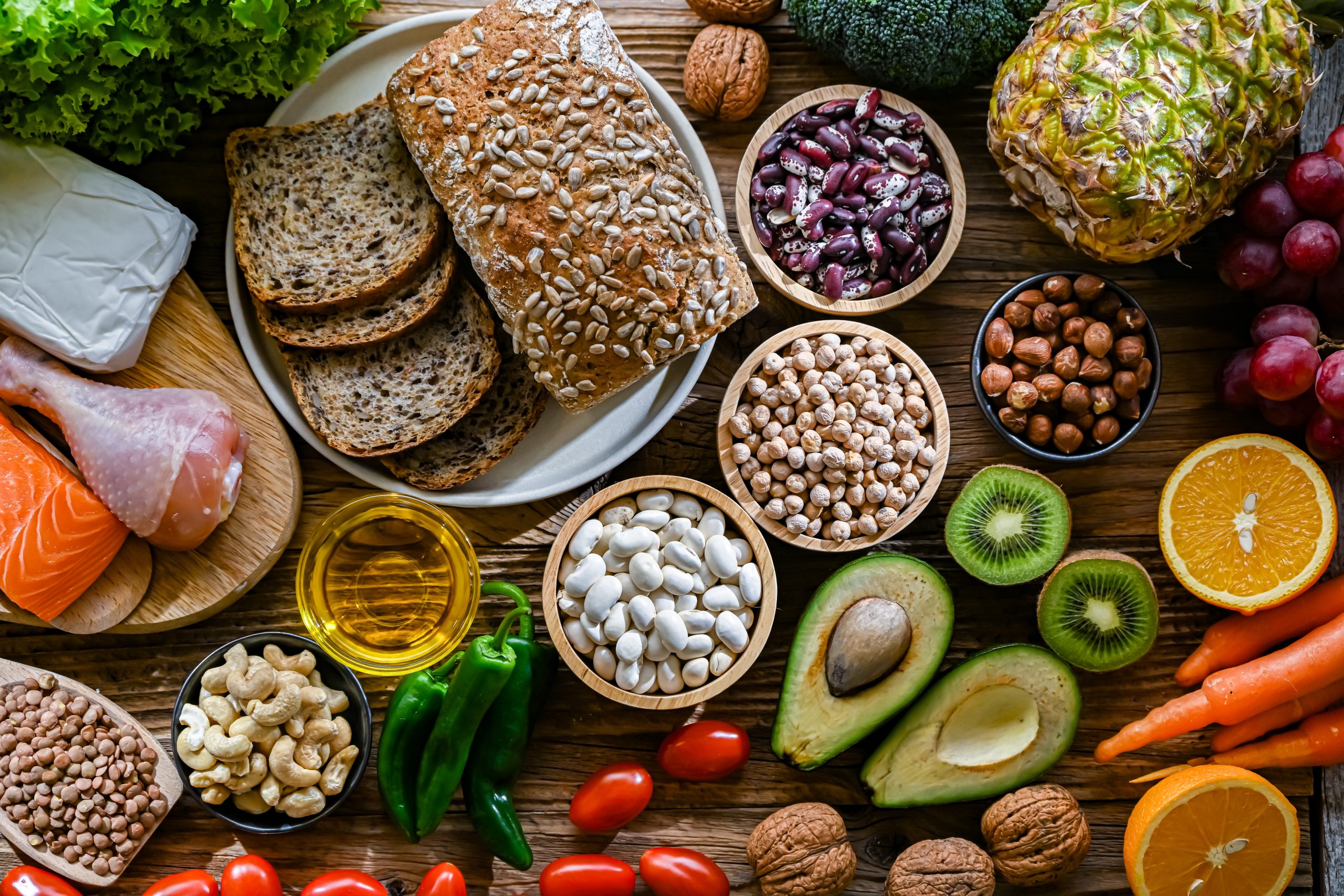
The 2025 Dietary Guidelines Advisory Committee just updated its Scientific Report, marking the strongest federal statement yet against red and processed meat consumption. The independent panel of nutrition experts reviewed thousands of studies and concluded Americans should eat more vegetables, fruits, legumes, whole grains, nuts, seeds, and fish while cutting back on red meat, processed foods, and sugar-sweetened beverages.
This represents a seismic shift from previous guidelines. For the first time, beans, peas, and lentils receive top billing in the protein category, displacing meat as the primary recommendation. The committee cited compelling evidence linking current American eating patterns to obesity, cardiovascular disease, type 2 diabetes, and certain cancers.
The Battle Behind Closed Doors
The advisory committee’s recommendations carry no legal weight. The real fight happens when Health and Human Services and the Department of Agriculture craft the final Dietary Guidelines for Americans, which influence everything from school lunches to military meals. These guidelines reach millions of Americans and shape a multi-billion-dollar food industry.
Advocacy groups like the Center for Science in the Public Interest released their own “Uncompromised Dietary Guidelines” document, essentially showing what the official guidelines would look like if politics stayed out of science. They’re warning that beef and dairy lobbies will push hard to soften any language that threatens their market share.
Watch:
Industry Influence Under Scrutiny
The timing couldn’t be more contentious. STAT News revealed that some panel members involved in drafting the guidelines had financial ties to beef and dairy industries. The Physicians Committee for Responsible Medicine criticized previous guidelines as a “mixed bag” showing clear industry influence, praising plant-based recommendations while noting compromises that benefit meat and dairy producers.
This pattern repeats every five years when new guidelines emerge. Past controversies involved industry pressure on cholesterol recommendations, added sugar limits, and meat consumption advice. The question remains whether scientific evidence will triumph over political and economic interests in the final 2025-2030 guidelines.
What This Means for Your Plate
If the scientific recommendations survive the political process intact, expect major changes in federal nutrition messaging. School cafeterias might serve more bean-based meals and fewer processed meats. WIC programs could emphasize nuts, seeds, and lentils over traditional protein sources. Food manufacturers would face pressure to reformulate products with less sodium, added sugars, and saturated fat.
The health implications are substantial. Research shows that following these plant-forward recommendations reduces risks of heart disease, diabetes, obesity, and several cancers. The advisory committee specifically noted that current American diets contribute to cognitive decline and dementia, conditions affecting millions of aging adults.
Your instant doctor companion – online 24 hours a day.
Sources:
Dietary Guidelines Advisory Committee Submits 2025 Scientific Report to HHS and USDA
The Uncompromised Dietary Guidelines for Americans, 2025–2030
Now Available: Scientific Report of the 2025 Dietary Guidelines Advisory Committee
New dietary guidelines review panel financial ties beef dairy industry
Dietary Guidelines Are Mixed Bag Show Industry Influence Says Physicians Group