
Could indulging in full-fat cheese and cream be a secret weapon against dementia?
Story Snapshot
- The study associates high-fat cheese and cream consumption with a reduced risk of dementia.
- 50g of high-fat cheese daily is linked to a 13% lower risk of dementia.
- High-fat cream consumption is tied to a 16% reduction in dementia risk.
- Challenges the predominant low-fat dairy recommendations in brain health.
The Study and Its Findings
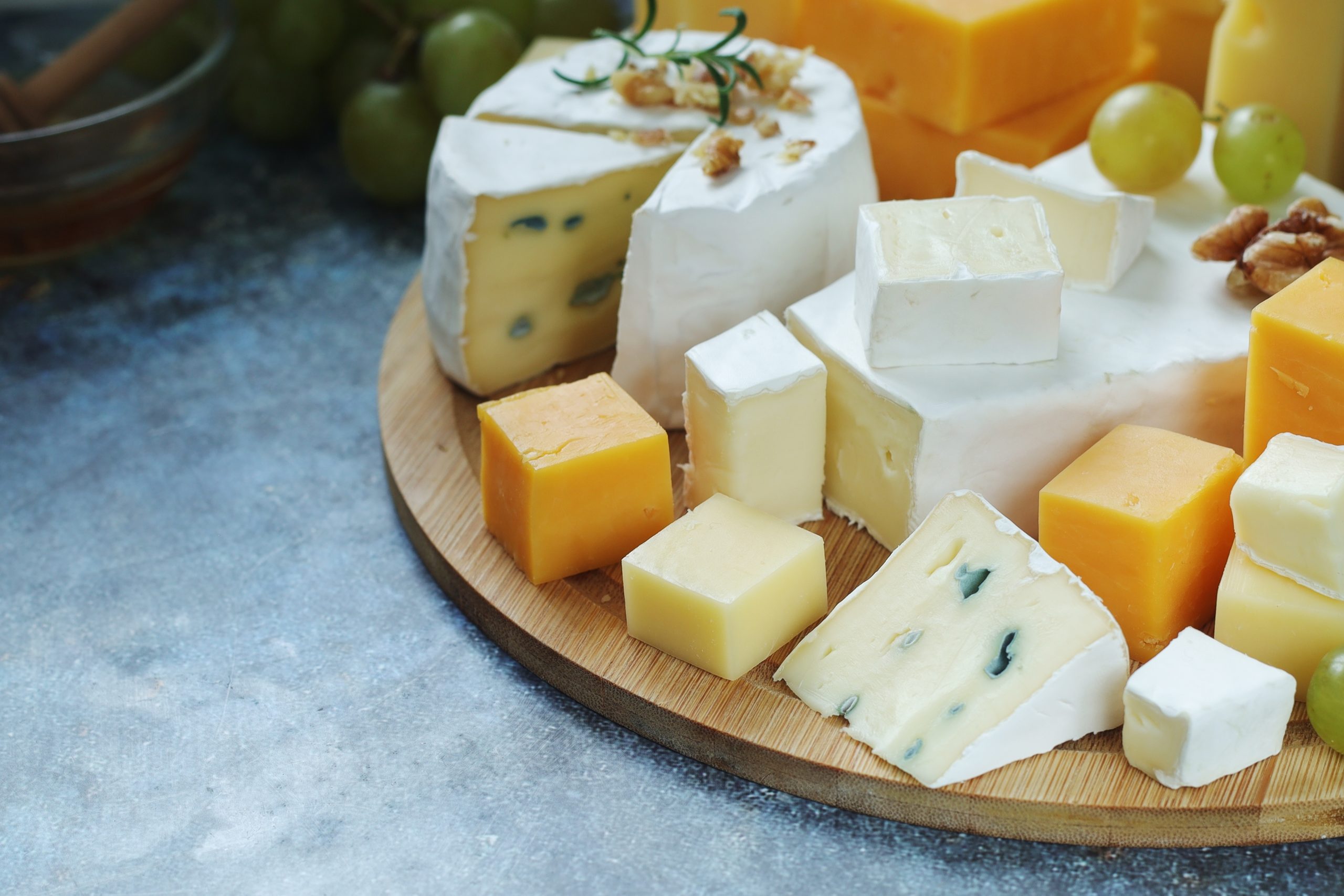
Researchers from Lund University published a study on December 17, 2025, in the journal *Neurology*, revealing a fascinating link between high-fat dairy products and reduced dementia risk. The study analyzed dietary data from 27,670 participants in the Malmö Diet and Cancer cohort over a period of up to 25 years. The results showed a 13% lower risk of dementia for those consuming 50g of high-fat cheese daily compared to those consuming less than 15g. Similarly, consuming more than 20g of high-fat cream was associated with a 16% reduced risk compared to no consumption.
While these findings highlight a potential protective benefit of full-fat cheese and cream, the research emphasizes an association rather than causation. The intricate connection between dietary fats and brain health is complex, and this study sheds light on the importance of considering fat content and fermentation in dairy products when evaluating their health impacts.
Watch:
The Historical Context Behind the Study
The Malmö Diet and Cancer cohort, initiated in Sweden in 1991, has long served as a rich source of data for examining the relationships between diet and health outcomes. Previously, subsets of this cohort linked cheese consumption to lower heart disease risk. The current findings extend this association to dementia, suggesting a connection between vascular health and cognitive function. The study’s publication comes amidst rising global dementia cases and challenges low-fat dietary dogmas that have dominated nutritional recommendations for decades.
Sweden, known for its high dairy consumption, provides a unique cultural backdrop for this research. The findings adjust for confounding factors like smoking, physical activity, and genetics, aiming to isolate the effects of high-fat dairy consumption on brain health.
New York Times: A Study Linked Cheese to Lower Dementia Risk. Is That Too Good to Be True?https://t.co/BaYsRSuMPc
— Bill Tieleman (@BillTieleman) December 18, 2025
Got a health question? Ask our AI doctor instantly, it’s free.
The Stakeholders and Their Interests
Led by Emily Sonestedt, a nutritional epidemiologist at Lund University, the research team sought to explore the potential causal links between diet and brain health. The American Academy of Neurology’s publication of the study amplifies its reach, aiming to refine public health guidance. The absence of industry funding in the study reduces bias risks, lending credibility to its findings. Academic collaborators from fields like epidemiology and neurology further bolster the study’s authority.
Journal editors at *Neurology* played a crucial role in validating the study’s merit, while Sonestedt’s expertise in nutritional epidemiology informs the public discourse on dairy’s role in brain health.
Meet My Healthy Doc – instant answers, anytime, anywhere.
Current Developments and Future Implications
Since its release, the study has gained media attention, challenging existing low-fat narratives and potentially influencing consumer behavior. While immediate impacts may include a boost in high-fat dairy sales and dietary adjustments among health-conscious individuals, the long-term implications hinge on the study’s replication and further research. If future studies confirm these findings, dementia prevention guidelines may shift to emphasize the potential benefits of fermented high-fat dairy products.
In the broader context, the findings contribute to ongoing discussions about dietary fats and their role in overall health. The study underscores the importance of vascular health in cognitive function, urging a reevaluation of nutrition policies and sparking interest among brain health advocates.
Start your health journey in under a minute.
Sources: