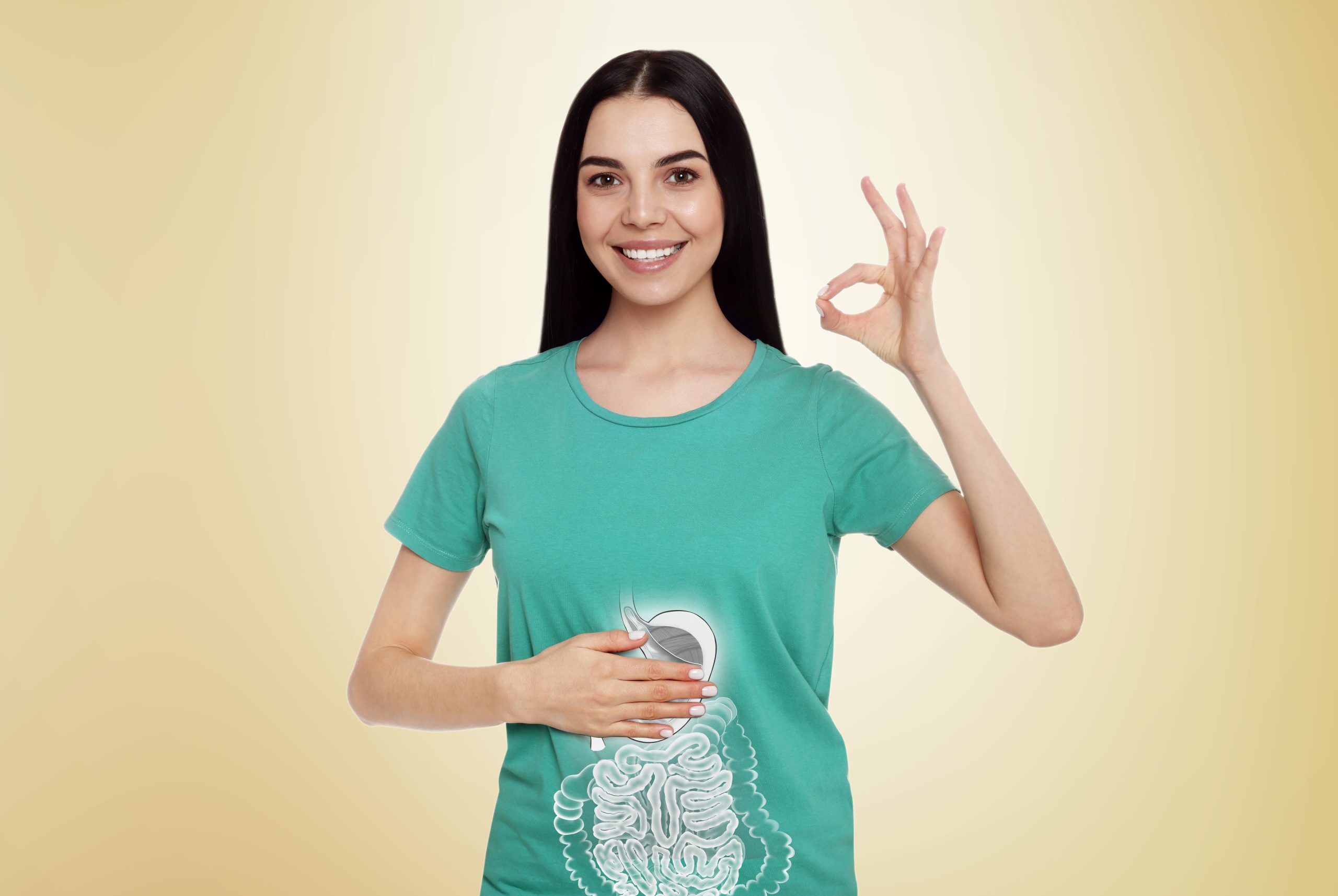

Your gut dictates 90% of your serotonin production, turning a simple dietary tweak into the ultimate mood booster doctors overlook.
Story Snapshot
- Functional medicine targets gut health as the root of overall well-being, linking microbiome balance to brain function and energy levels.
- Three nonnegotiable tips focus on diet, stress reduction, and movement to heal the gut naturally.
- Prebiotic and probiotic foods rebuild gut flora while slashing sugar rebuilds resilience against inflammation.
- Stress management activates the gut-brain axis, proving emotional calm directly feeds digestive harmony.
- Exercise shifts microbiota composition, curbing chronic issues that plague modern lifestyles.
Functional Medicine Redefines Gut Health Essentials
Functional medicine practitioners analyze the microbiome through comprehensive testing. They identify imbalances causing digestion woes, brain fog, and metabolic chaos. Patients start with stool analysis revealing bacterial diversity. Doctors then craft personalized protocols. This approach outperforms symptom-masking drugs by addressing root causes. Gut health anchors immunity and hormone balance, making it nonnegotiable for vitality.
Evidence shows disrupted microbiomes link to anxiety and fatigue. Conventional medicine ignores this connection. Functional experts prioritize it, yielding lasting results. Common sense aligns: nourish the gut, and the body thrives without endless pills.
Watch:
Tip 1: Load Up on Prebiotics and Probiotics Daily
Doctors prescribe prebiotic-rich foods like garlic, onions, and asparagus. These feed beneficial bacteria in the colon. Probiotic sources such as yogurt, kefir, and sauerkraut introduce live cultures. Patients report bloating relief within weeks. Fiber intake doubles to sustain these gains. Sugar cuts sharply to starve harmful pathogens. This duo rebuilds the gut lining, fortifying against leaks.
Research confirms fiber reduces inflammation markers. Processed foods erode this protection. Conservative values favor whole foods over fad diets. Real food heals; ignore the hype, stick to basics that work.
Got a health question? Ask our AI doctor instantly, it’s free.
Tip 2: Master Stress to Calm the Gut-Brain Axis
Chronic stress floods the body with cortisol, disrupting gut motility. Functional medicine deploys meditation, yoga, and deep breathing. Practitioners guide 10-minute daily sessions. Patients notice smoother digestion and sharper focus. The vagus nerve links brain signals to gut responses. Calming one soothes the other. Neglect this, and no diet fixes the chaos.
Studies validate yoga lowers gut permeability. American common sense echoes: discipline mind and body together. Rushed lifestyles fuel dysfunction; intentional pauses restore order without gimmicks.
Tip 3: Move Your Body to Reshape Microbiota
Regular exercise promotes diverse gut bacteria. Doctors recommend 30 minutes daily of walking or strength training. This curbs inflammation and boosts short-chain fatty acids. Sedentary habits breed dysbiosis, inviting disease. Active patients see microbiome shifts in months. Combine with diet for amplified effects. Laziness costs health; motion delivers resilience.
Data links activity to reduced chronic inflammation. Facts support it: bodies built for work idle at peril. Conservative wisdom prizes self-reliance through habits, not excuses. Gut happiness demands sweat equity.
Start your health journey now.
Why Gut Health Powers Total Wellness
Gut imbalances trigger systemic fallout, from autoimmunity to mood disorders. Functional medicine views the gut as a command center. Ignoring it invites cascading failures. These tips form a blueprint for reversal. Patients regain control, ditching dependency on pharma fixes. Long-term adherence yields profound shifts, proving prevention trumps reaction.
Experts assert gut health underpins 70% of immunity. Aligns with timeless principles: fuel right, stress less, move more. Doubt the science? Track your own results; evidence speaks loudest.
Watch:
Your new health companion is online, ready when you are.
Sources:
http://www.ifm.org/gut-microbiome-health