
Organic milk and eggs could slash your mild cognitive impairment risk by 27% as you age, but only if you’re a woman—revealing a dietary secret science just uncovered.
Story Snapshot
- Organic animal products like milk, eggs, and meat link to 27% lower MCI risk in women.
- Organic fruits and vegetables cut women’s MCI risk by 20%; men see cognitive gains without MCI drop.
- Study tracks over 6,000 adults, with 4,882 followed longitudinally for 3.7 years.
- Benefits stem from lower pesticides, higher omega-3s and polyphenols in organics.
- Aligns with MIND diet emphasizing leafy greens, berries, nuts for brain protection.
Study Reveals Organic Food’s Brain-Protecting Power
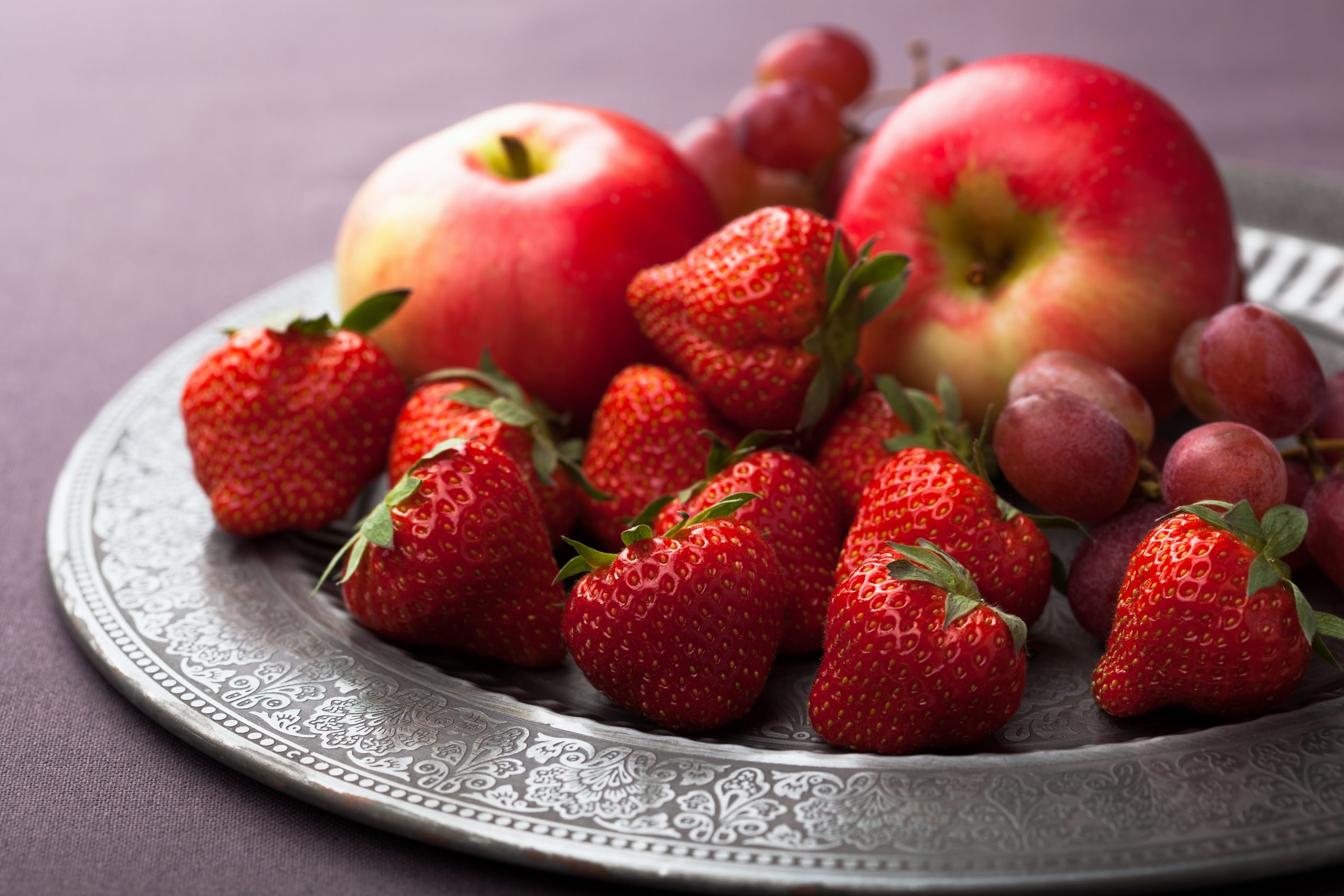
Researchers analyzed data from 6,077 middle-aged and older adults in a cross-sectional study, plus 4,882 longitudinally over a median 3.7 years. Organic food consumption correlated with higher cognitive scores. Women eating organic animal products—milk, eggs, meat—faced 27% lower mild cognitive impairment risk after adjustments for age, education, and lifestyle. Organic plant foods like fruits and vegetables reduced their risk by 20%.[1]
Men showed cognitive improvements from organics but no significant MCI reduction. Authors Shiyu Li, Haowen Chen, Ruxun Zhao, Tingyu Wang, and Jufeng Ye attribute this to hormonal or gut microbiome differences. Greater dietary diversity in organics slightly boosted scores further. Findings appeared in the European Journal of Nutrition.
Organic foods contain fewer pesticides and heavy metals, plus higher levels of protective omega-3s and polyphenols. These compounds fight oxidative stress and inflammation, key drivers of cognitive decline. Common sense aligns: avoiding toxins while fueling the brain with nutrient-dense options protects long-term health, especially as populations age.
A groundbreaking new study has revealed that eating just one or more eggs per week can significantly reduce the risk of developing Alzheimer’s disease — by nearly 47%.
— Massimo (@Rainmaker1973) November 14, 2025
Researchers found that eggs are rich in choline, an essential nutrient that supports brain health, strengthens… pic.twitter.com/JRddtKFHEA
Got a health question? Ask our AI doctor instantly, it’s free.
MIND Diet Complements Organic Choices
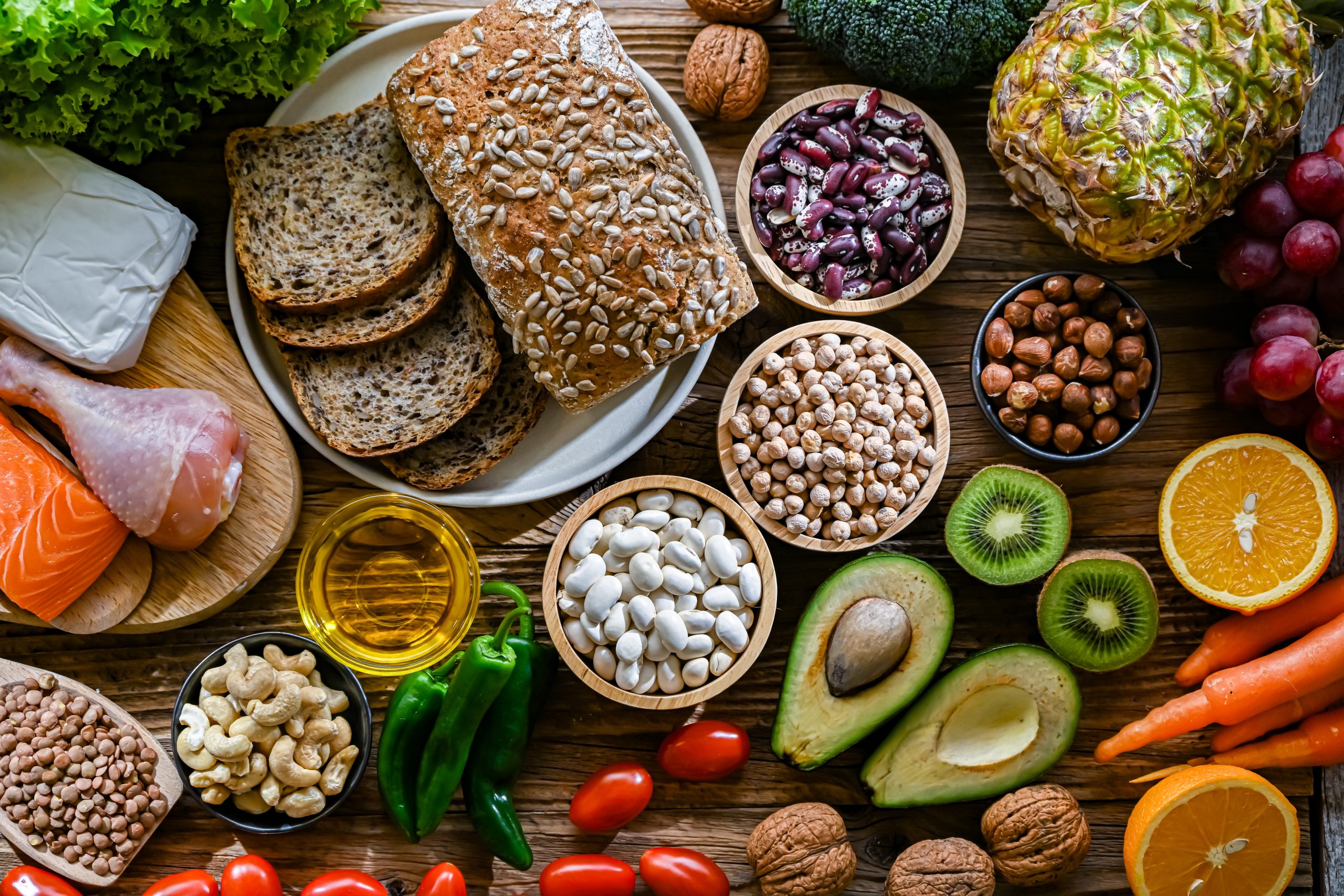
Rush University studies birthed the MIND diet in 2015, blending Mediterranean and DASH patterns. High adherence slows cognitive decline more than either parent diet. Green leafy vegetables top the list for folate, vitamin E, and flavonoids. Berries, nuts, whole grains, fish, poultry, and olive oil follow; limit red meats and sweets.
Daily ready-to-eat cereals harm cognition over 11 years if they replace diverse foods, despite nutrients. Moderate use with variety works better. Ultra-processed foods raise dementia risk 19-25% per 10% diet increase; swap for unprocessed fruits and nuts cuts risk 3% per 50g.[3][4]
Start your health journey now.
Olive Oil and Broader Evidence Build the Case
Consuming over 7g olive oil daily links to 28% lower dementia death risk, independent of overall diet quality. This holds across large cohorts, reinforcing simple swaps’ power.[5] Historical data from Nurses’ Health Study ties vegetables, berries, nuts to slower decline since the early 2000s.
Organic research shifts focus amid pesticide concerns. Long-term, scalable organic adoption could ease dementia’s societal burden. Short-term, women gain most from animal products. Access barriers hit low-income groups, but prioritizing affordable organics aligns with conservative values of personal responsibility and prevention over crisis care.
Authors urge randomized trials comparing organic versus conventional diets, plus sex-specific probes. Observational limits prevent causation claims, but adjusted longitudinal data strengthens links. Pesticide avoidance matches MIND precedents without contradictions.
Watch:
Your new health companion is online, ready when you are.
Sources:
https://pmc.ncbi.nlm.nih.gov/articles/PMC4581900
https://pmc.ncbi.nlm.nih.gov/articles/PMC4533994
https://jamanetwork.com/journals/jamanetworkopen/fullarticle/2818362