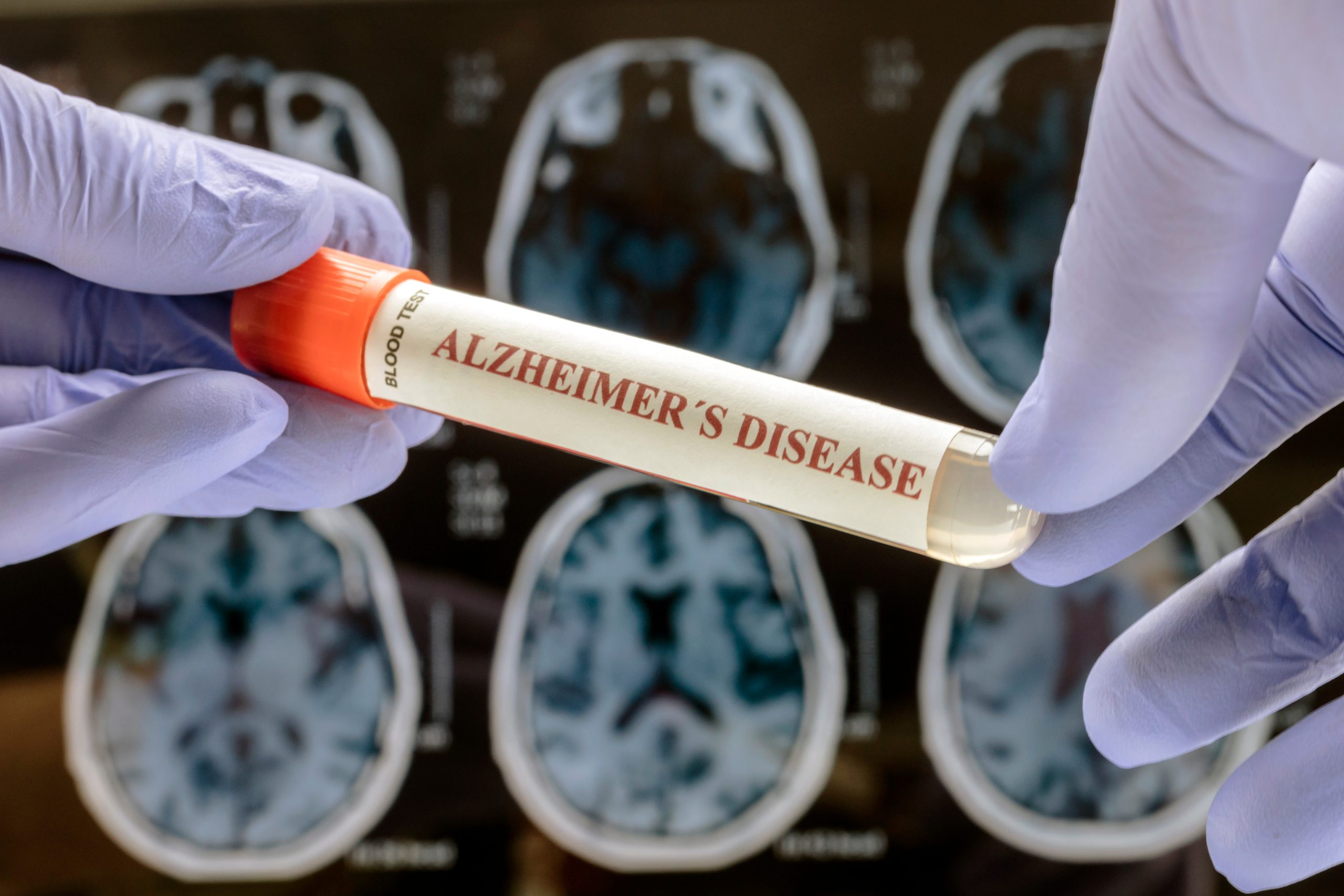

A potential breakthrough in Alzheimer’s research promises early detection, challenging long-held beliefs about its onset.
Story Highlights
- TSPO protein identified as an early marker for Alzheimer’s.
- Study suggests intervention years before symptoms appear.
- Research conducted by Florida International University.
- Focus on early-onset genetic Alzheimer’s cases.
- Potential shift in treatment and diagnosis strategies.
Neuroinflammation: The New Frontier in Alzheimer’s Detection
Florida International University researchers have identified translocator protein 18 kDa (TSPO) as a potential early biomarker for Alzheimer’s disease. This discovery was made through studies on mouse models and postmortem human brain tissue, where TSPO levels were elevated years before symptoms appeared. This research focuses on early-onset genetic cases, offering hope for interventions that could delay or prevent the onset of Alzheimer’s.
TSPO levels were found to rise as early as six weeks in mouse models, equivalent to 18-20 human years. This increase primarily occurred in microglia cells, which respond to amyloid-beta plaques in the subiculum region, a critical area for memory. This pattern was mirrored in human tissue from Colombian patients who developed Alzheimer’s in their 30s and 40s, suggesting a significant advancement in understanding the disease’s early stages.
A hidden brain problem may be an early warning for Alzheimer’s https://t.co/m4sFpFr39r
— Zicutake USA Comment (@Zicutake) January 3, 2026
Implications for Early Diagnosis and Treatment
The identification of TSPO as an early indicator of Alzheimer’s-related neuroinflammation could transform diagnostic approaches. Current methods often detect the disease only after significant damage has occurred. With TSPO, there could be a five to six-year window for intervention, potentially allowing for treatments that focus on reducing inflammation and preserving cognitive function. This is particularly important for women, who are at a higher risk, as the research found sex differences in TSPO levels.
Further studies are underway to expand the use of TSPO beyond genetic cases and explore its potential in sporadic Alzheimer’s forms. The research highlights the need to shift focus from amyloid-centric views to inflammation and energy metabolism, with hopes that this could lead to more effective treatments and improved quality of life for those at risk.
Meet My Healthy Doc – instant answers, anytime, anywhere.
Challenges and Future Directions
Despite its promise, the TSPO biomarker faces challenges in broader application. Current findings are based on genetic cases and postmortem analysis, which limits the direct applicability to the general population. Moreover, ethical debates surrounding early testing and the potential for over-diagnosis, known as the “walking sick” phenomenon, must be addressed before widespread implementation.
Continued research is crucial to validate these findings and develop reliable imaging techniques capable of detecting TSPO levels in living patients. As the Alzheimer’s research community pivots towards a multi-biomarker approach, combining TSPO with other markers like NAD+ and transposons may provide a comprehensive strategy for early detection and treatment.
Watch:
Your instant doctor companion – online 24 hours a day.
Sources:
A Signal Hidden in The Brain May Reveal Alzheimer’s Years in Advance
New Alzheimer’s Research Points to Possible Reversal