
Can a simple self-hypnosis exercise ease your flight anxiety? Discover the surprising method touted by a Stanford psychiatrist.
Story Overview
- Dr. David Spiegel’s self-hypnosis technique aims to alleviate flight anxiety.
- The exercise involves focused attention, deep breathing, and visualization.
- Key steps include viewing the plane as an extension of the body.
- Distinguishing between probability and possibility builds confidence.
A Revolutionary Approach to Flight Anxiety
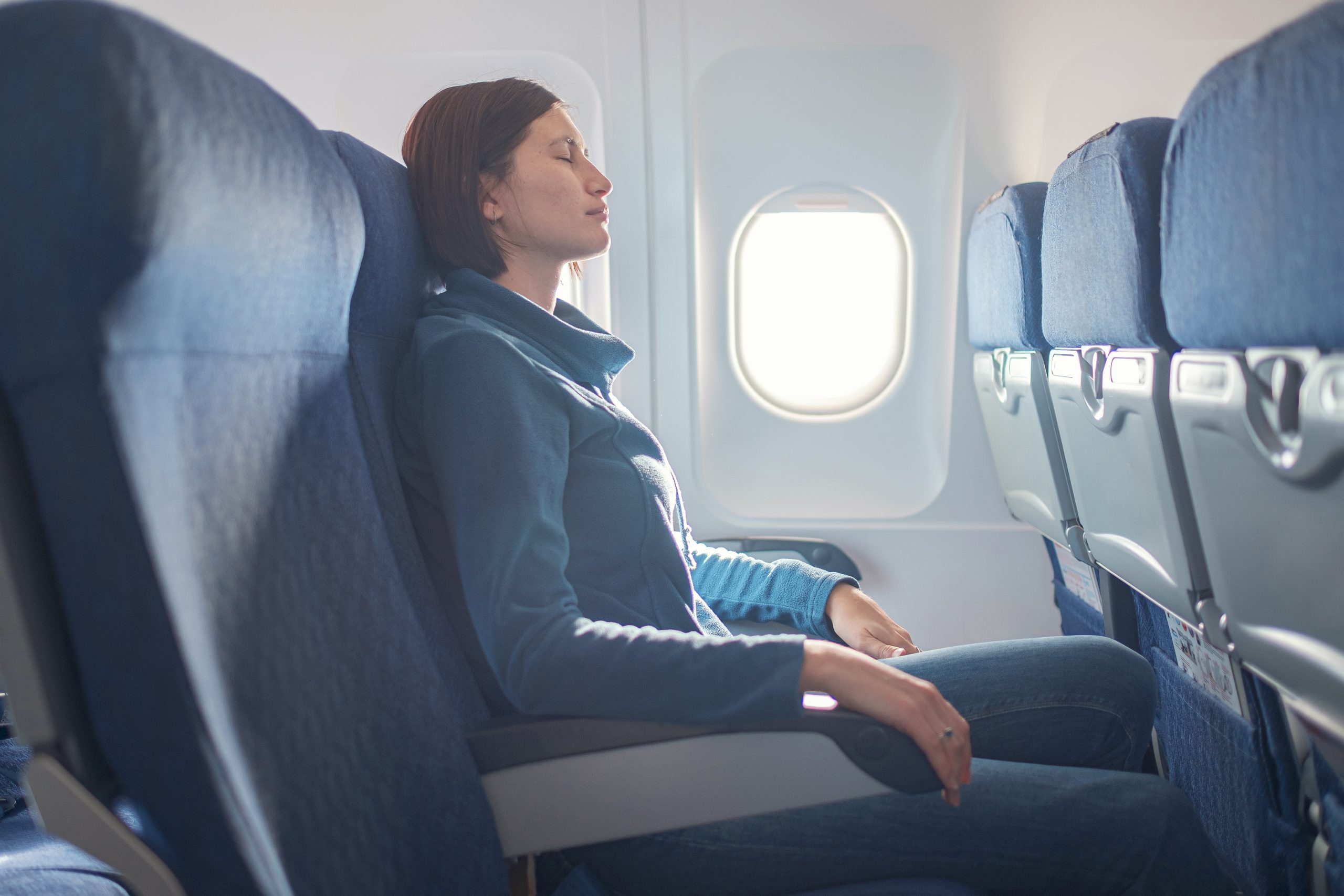
Flying often triggers anxiety, but Dr. David Spiegel, a Stanford psychiatrist, believes self-hypnosis can be a game-changer. His technique encourages individuals to reframe their fearful thoughts through focused attention and relaxation. The process begins with slowly closing your eyes while looking upward, followed by deep breathing with extended exhales. This practice calms the body, setting the stage for the transformative experience.
Spiegel’s method involves visualization, a powerful tool in self-hypnosis. By imagining pleasant scenes and allowing one hand to rise like a balloon, you signal readiness to relax further. This visualization technique helps shift the mind’s focus away from fear, creating a more serene mental state conducive to tackling flight anxiety. The approach is designed to help individuals feel more in control and less overwhelmed by their emotions.
Transforming Fear into Calm
The next phase of Spiegel’s exercise is particularly intriguing. He suggests visualizing the plane as an extension of your body. This mental association can significantly alter your perception of flying, transforming it from a source of fear to a natural, almost organic experience. By floating with the plane, you align your mental state with the physical environment, reducing anxiety.
Understanding the difference between probability and possibility is another key element in Spiegel’s approach. Many anxious fliers focus on the possibility of something going wrong, even if the probability is minuscule. Reframing this mindset helps build confidence and diminishes irrational fears. This cognitive shift is essential for long-lasting anxiety management.
Watch:
Meet My Healthy Doc – instant answers, anytime, anywhere.
The Science Behind Self-Hypnosis
Self-hypnosis isn’t just a new-age fad; it has a solid scientific foundation. The practice engages the brain’s ability to focus intensely on specific thoughts or images, which can reduce stress and anxiety. Dr. Spiegel’s technique leverages this capability, offering a structured method to retrain the mind’s response to fear-inducing situations like flying.
Studies have shown that hypnosis can alter neural pathways associated with anxiety, making it a viable option for those struggling with flight-related fears. By using this self-directed method, individuals can create a personalized toolkit for managing anxiety, applicable not only to flying but to other stress-inducing situations as well.
Got a health question? Ask our AI doctor instantly, it’s free.
Practical Tips for Implementation
Integrating Spiegel’s self-hypnosis technique into your travel routine requires practice and patience. Start by dedicating time before your flight to master the steps. The more familiar you become with the process, the easier it will be to apply it when needed. Consistency is key; regular practice can enhance the effectiveness of the technique over time.
As you become proficient in the exercise, consider pairing it with other anxiety-reducing strategies, such as mindfulness meditation or breathing techniques. Combining different approaches can offer a comprehensive solution, providing multiple layers of support for managing flight anxiety. The goal is to create a personalized strategy that empowers you to face your fears confidently.
Start your health journey now.
Sources: