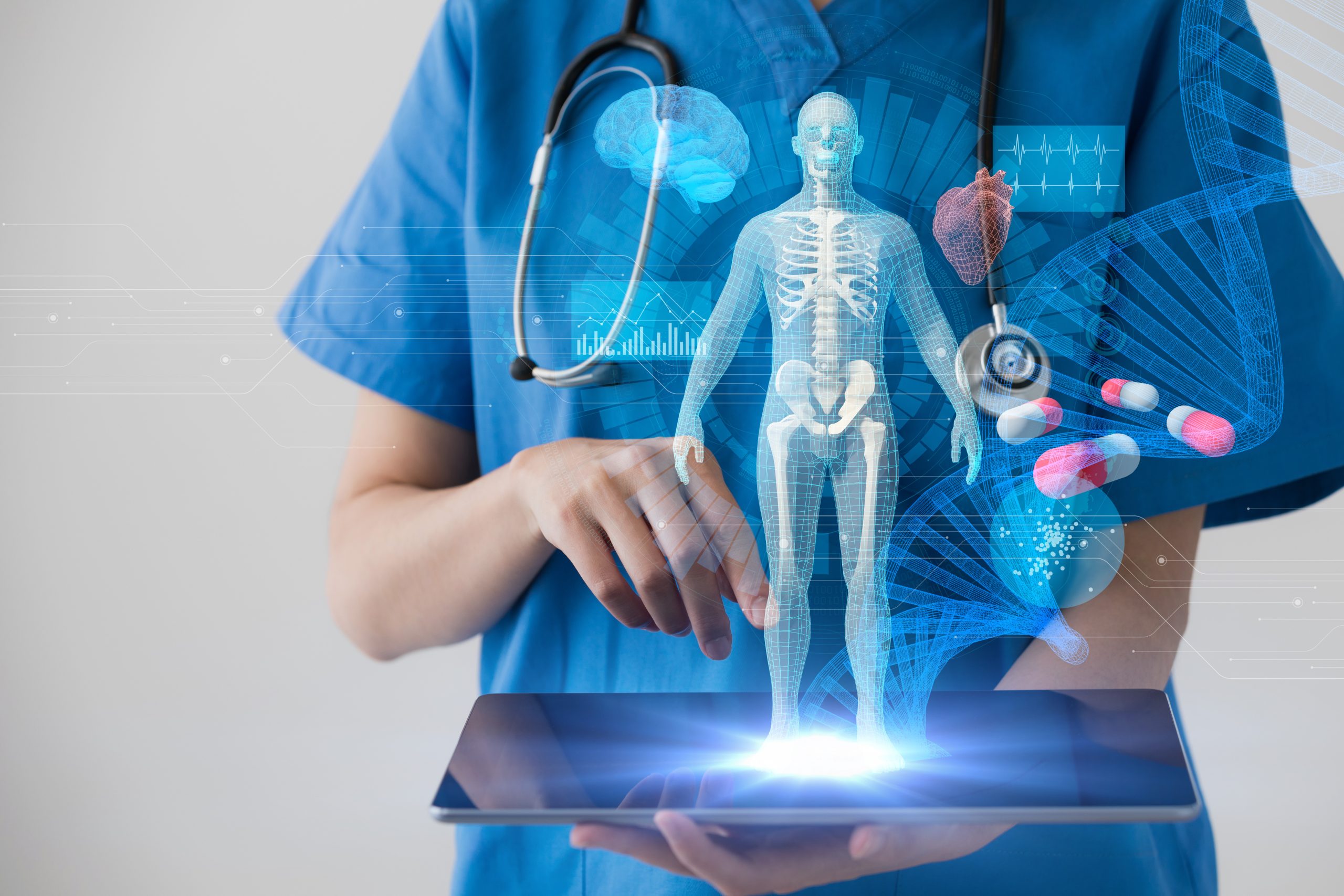

AI now predicts your diseases years before symptoms appear, rewriting medicine from crisis response to lifelong prevention.
Story Snapshot
- AI shifts healthcare from reactive treatment to predictive personalization using genomics, imaging, and wearables.
- Systems like INTERNIST-1 in 1971 pioneered diagnosis; today’s deep learning outperforms humans in imaging tasks.
- FDA cleared dozens of AI devices since 2017, targeting sepsis prediction, oncology tailoring, and readmission risks.
- Challenges include algorithmic bias, clinician autonomy, data privacy, and equitable access to benefits.
- Over the next decade, AI becomes the core infrastructure for precision health, demanding robust regulation.
AI’s Historical March into Medicine
John McCarthy coined “artificial intelligence” in 1956, laying groundwork for medical applications. University of Pittsburgh researchers launched INTERNIST-1 in 1971, the first artificial medical consultant that ranked diagnoses using search algorithms on internal medicine cases. Stanford’s MYCIN followed in the early 1970s, matching infectious disease experts by applying 500 rules to recommend antibiotics for blood infections. These rule-based systems proved computers could codify medical knowledge for decision support.
Electronic health records proliferated in the 2000s, supplying longitudinal data for machine learning. Deep learning surged in the 2010s with cloud computing, enabling AI to surpass human performance in diagnostic imaging and handle multi-modal data like genomics and wearables at scale. FDA approvals began for AI devices detecting diabetic retinopathy and strokes, thrusting the technology into clinical practice.
Current AI Deployments Reshape Care Delivery
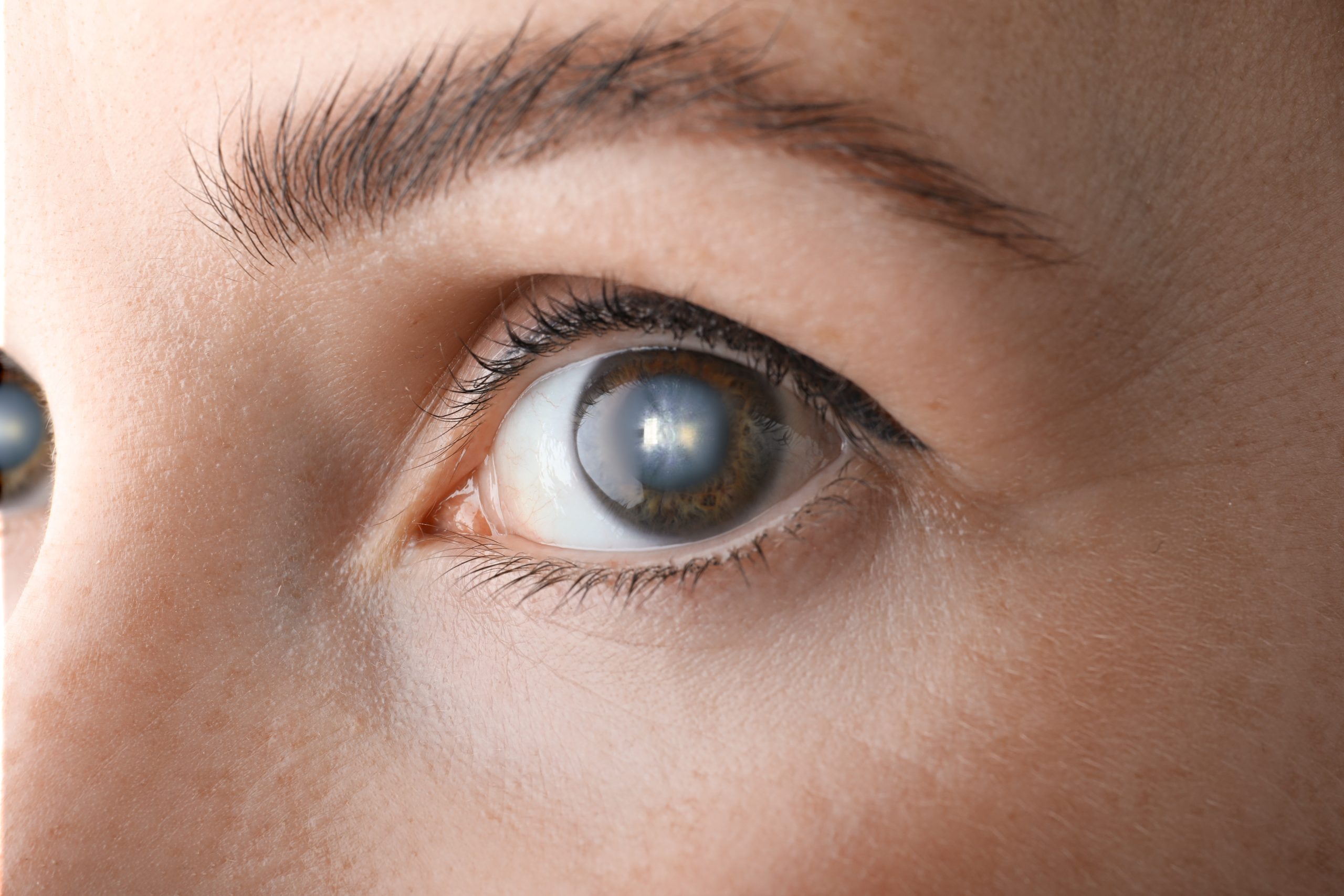
Hospitals now deploy AI models predicting sepsis, patient deterioration, readmissions, and hospital length of stay, integrating scores directly into electronic health records for real-time triage and care adjustments. Deep learning analyzes imaging to forecast disease progression, spotting early retinopathy or cardiac changes before symptoms emerge, allowing timely personalized interventions.
In oncology, AI processes genomic and proteomic data to match patients to targeted therapies, predicting responses beyond single-gene tests. Wearables and remote monitoring feed continuous data into adaptive algorithms, enabling real-time personalization of chronic disease management. Cedars-Sinai established its Division of Artificial Intelligence in Medicine in 2019, pioneering population-scale risk prediction for sudden cardiac arrest.
Watch;
Accessible care for everyone, powered by AI.
Tensions and Future Trajectories
Predictive AI moves decisions upstream, flagging risks years early via polygenic scoring and multi-omics integration, prioritizing prevention over late-stage treatment. Clinicians transition from sole diagnosticians to overseers of AI outputs, demanding new training amid burnout relief from automation. Health systems gain efficiency in resource allocation, like ICU bed predictions, aligning with value-based care economics.
Algorithmic bias threatens equity when training data skews toward dominant groups, potentially miscalibrating risks for underserved ethnic or socioeconomic populations; facts demand inclusive data practices grounded in common-sense fairness over unchecked innovation. Regulators must balance rapid deployment with transparency to prevent discrimination in insurance or access.
Long-term, AI redefines personalized medicine for chronic conditions like diabetes and heart disease, combining wearables with genomics for custom dosages and lifestyles. Expect consolidated platforms merging imaging, EHRs, and analytics, transforming providers into proactive health curators while payers curb costs through high-risk interventions.
Skip the clinic. Start your AI consultation now.
Sources:
https://www.cedars-sinai.org/discoveries/ai-ascendance-in-medicine.html