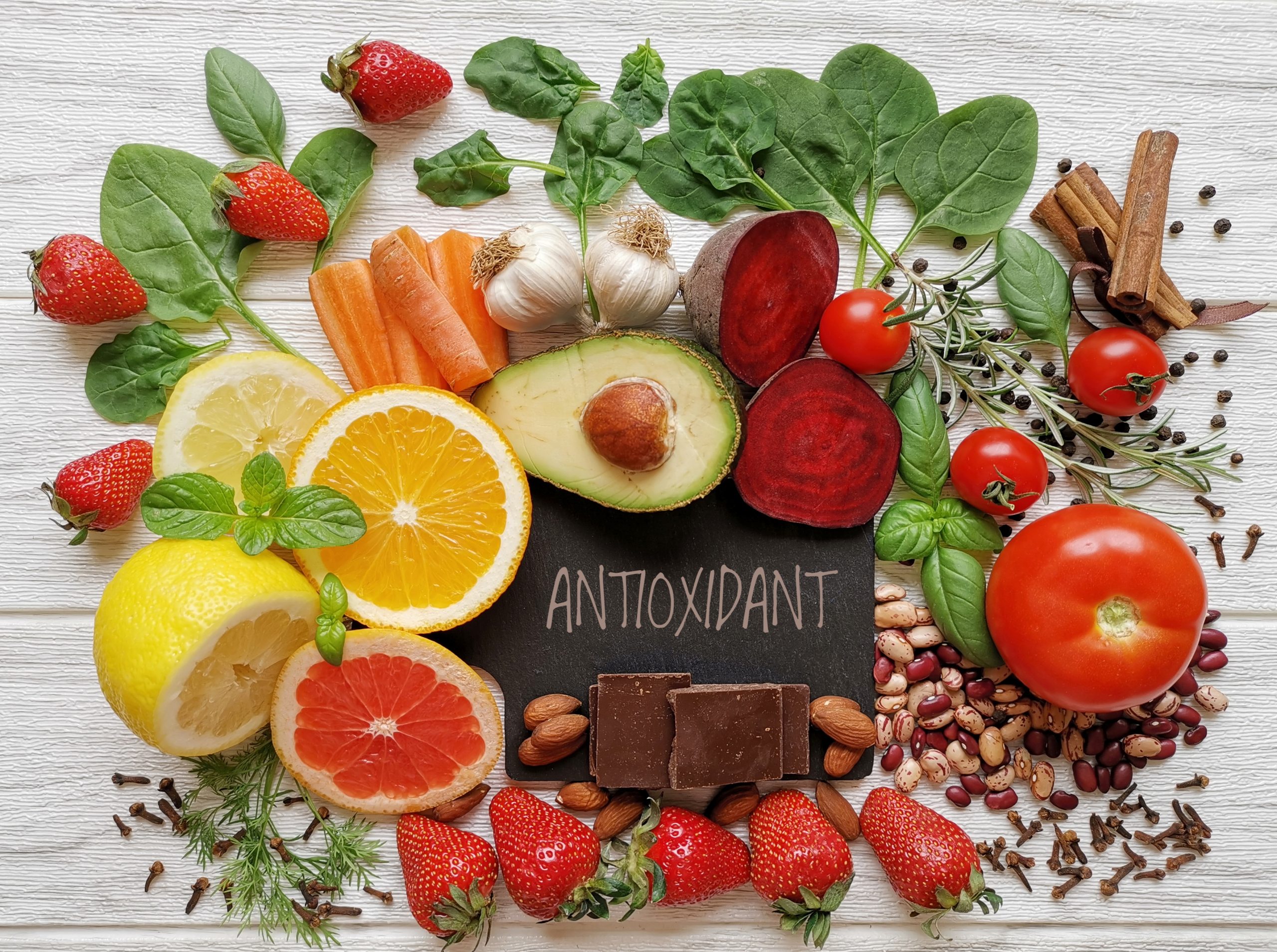

Could the cure for cancer be hiding in your salad bowl?
Story Snapshot
- Antioxidants neutralize free radicals linked to cancer.
- Plant-rich diets lower cancer risk more effectively than supplements.
- High-dose supplements might increase cancer risk.
- Focus on five key antioxidants from foods, not pills.
Understanding Free Radicals and Antioxidants
The world of cancer prevention is filled with buzzwords like “antioxidants” and “free radicals.” These reactive oxygen species (ROS) are naturally produced in our bodies, yet they can wreak havoc by damaging DNA, proteins, and lipids, leading to cancer development. Antioxidants, both dietary and endogenous, neutralize these harmful radicals, maintaining cellular balance. It’s crucial to understand the distinction between getting antioxidants from foods versus supplements, as the latter may not always provide the expected benefits.
Historically, large observational studies have shown a link between a diet rich in antioxidants—fruits, vegetables, whole grains—and a reduced risk of cancers like lung, stomach, and colorectal. However, high-dose antioxidant supplements like beta-carotene and vitamin E have, in some cases, increased cancer risk, particularly in smokers. The complexity lies in the context and dosage; what works as a cancer preventer in dietary form could turn harmful when concentrated into a pill. Got a health question? Ask our AI doctor instantly, it’s free.
Watch:
Five Key Antioxidants for Cancer Prevention
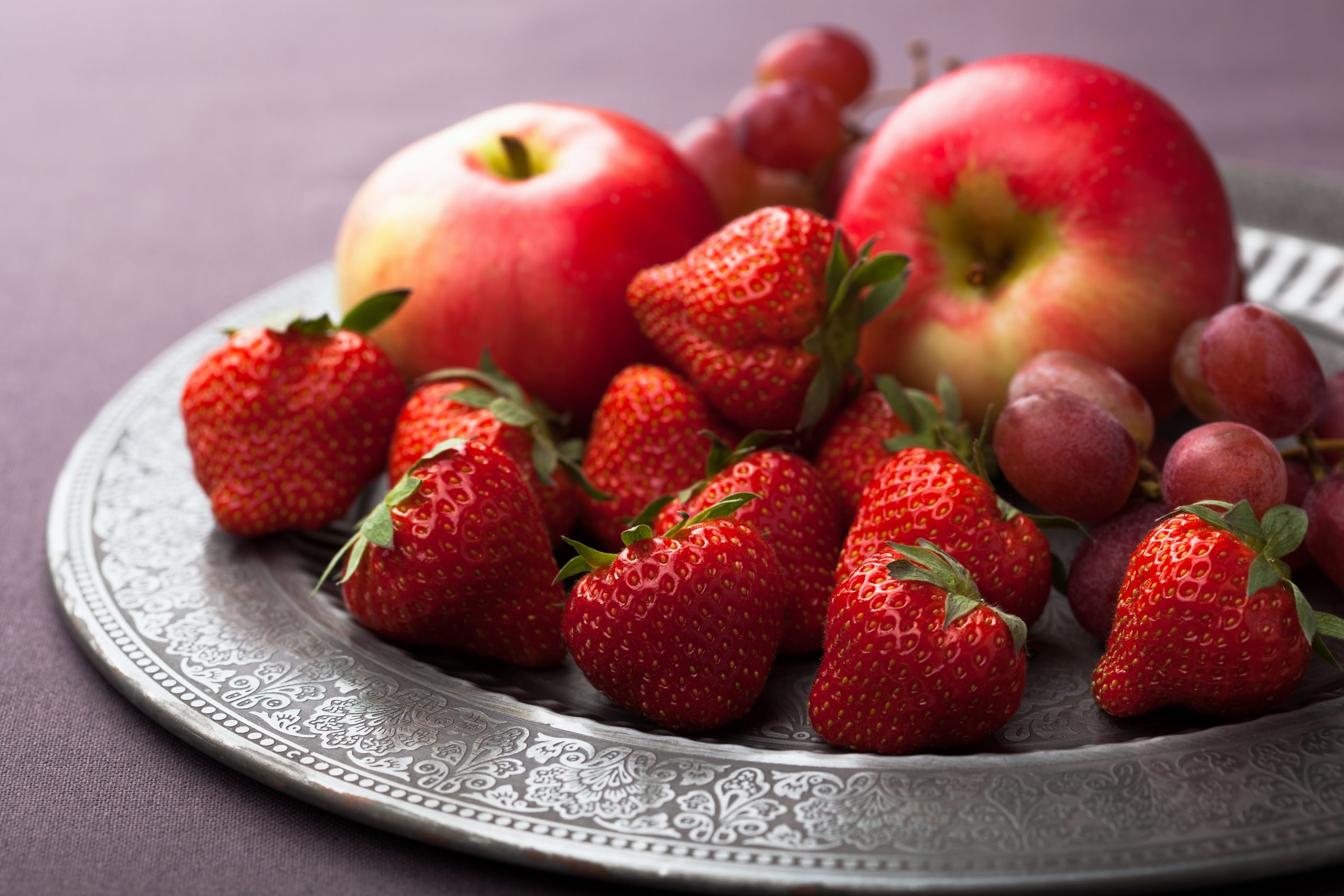
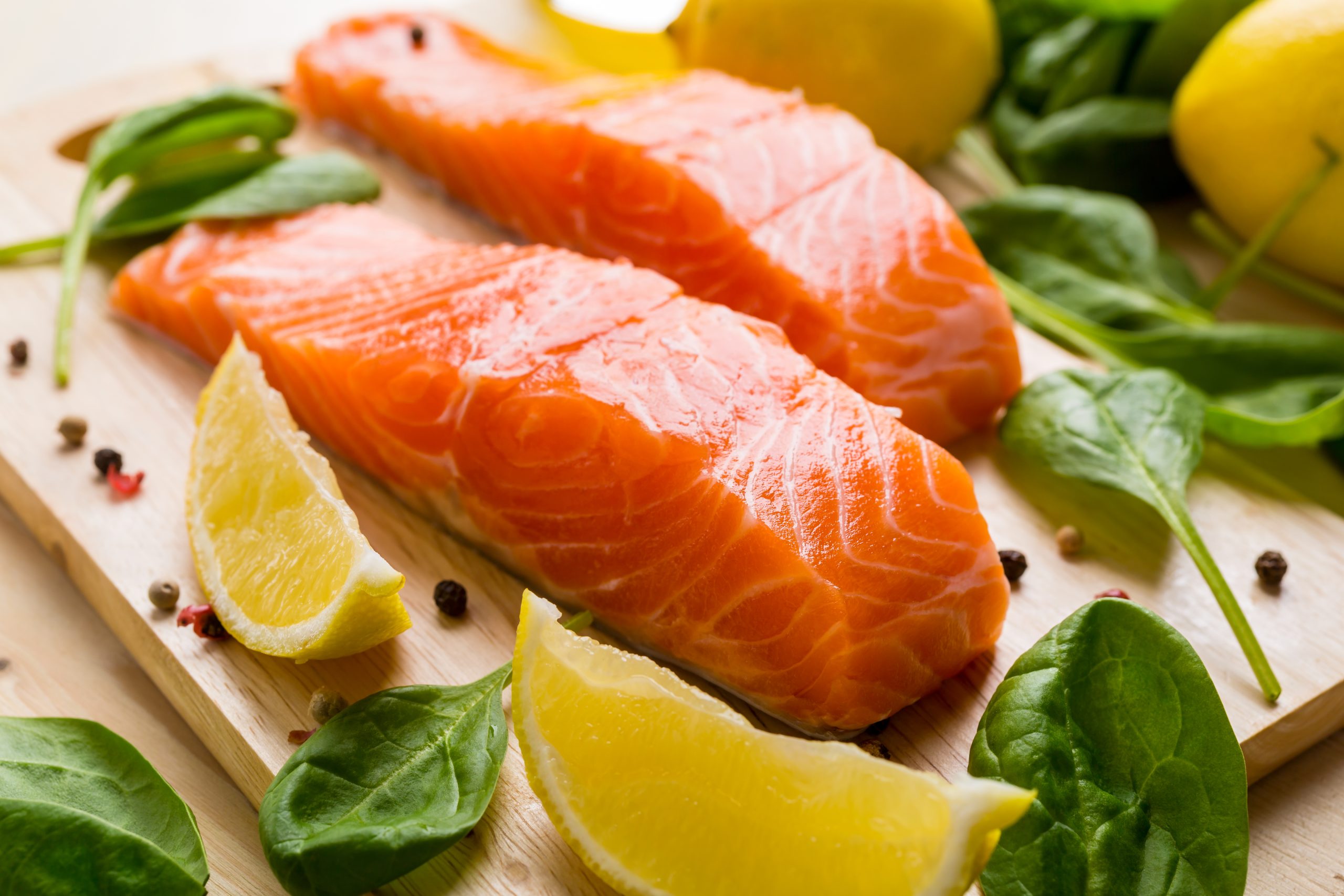
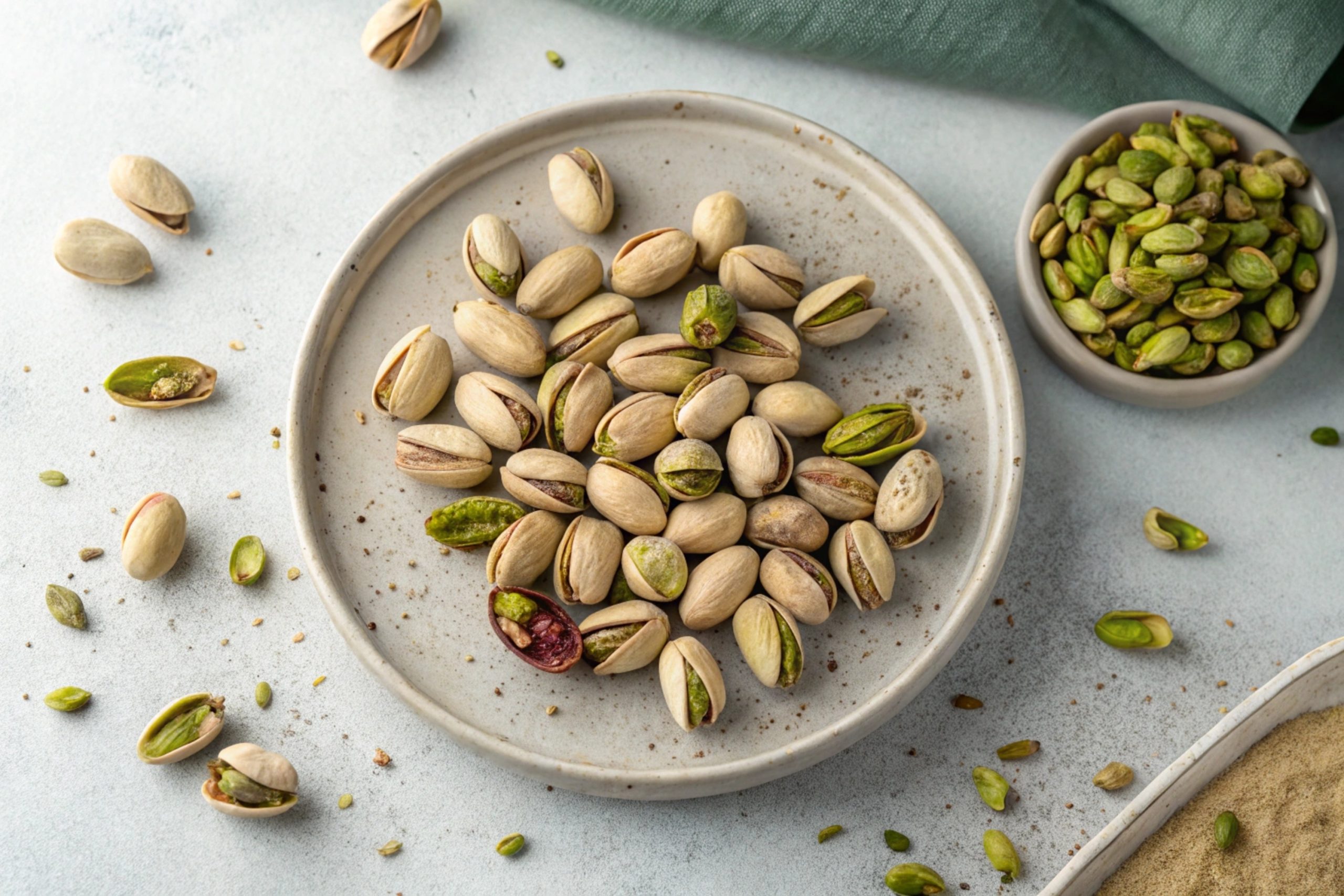
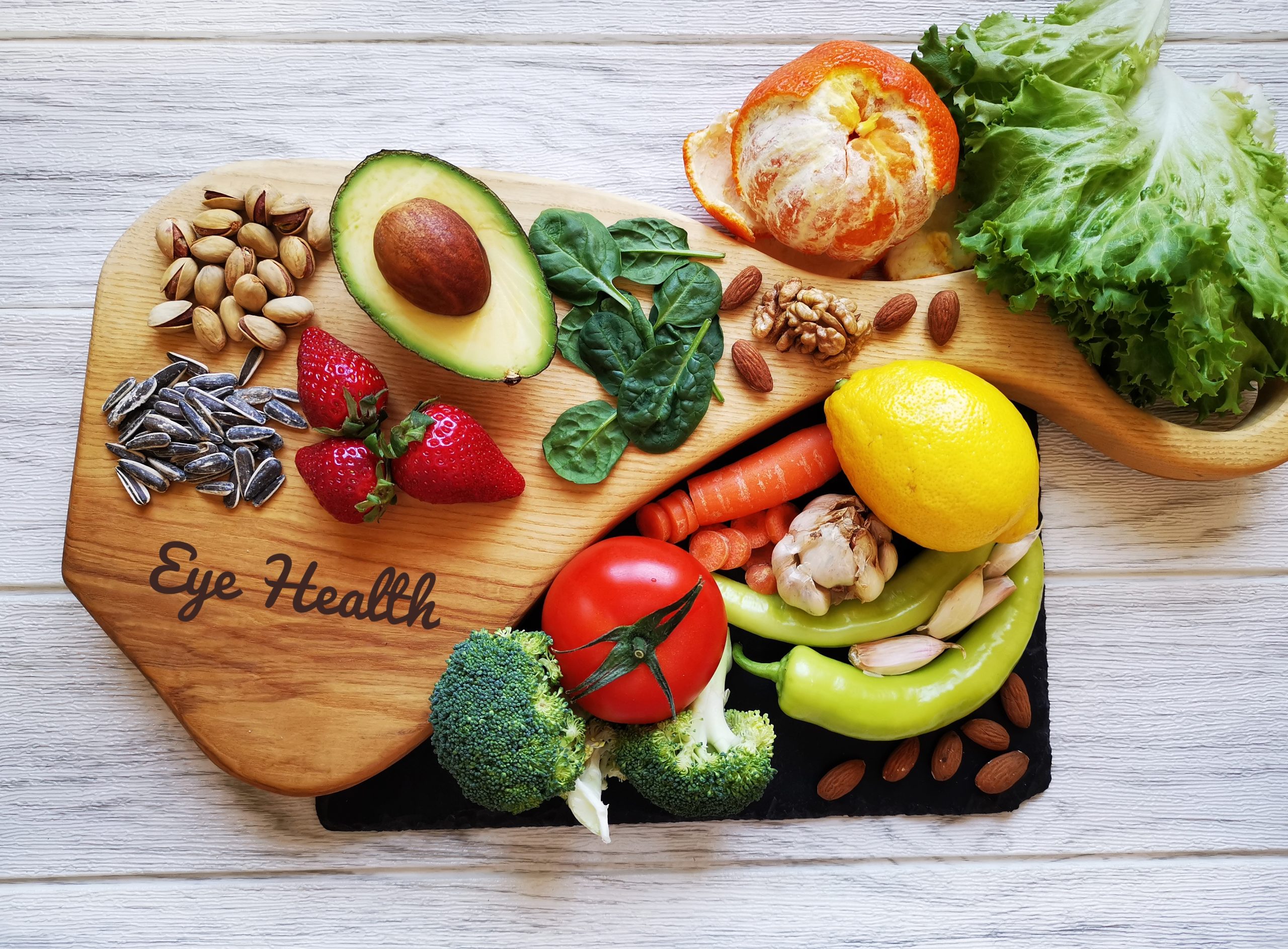
Among the plethora of antioxidants, five stand out for their cancer-fighting potential when consumed through food. Vitamin C, found in abundance in fruits and vegetables, is a powerful free radical scavenger. Carotenoids, such as beta-carotene and lycopene, are present in leafy greens and orange vegetables, offering significant protection against various cancers. Vitamin E from nuts and seeds, selenium from foods like nuts and seafood, and polyphenol-rich compounds in berries and cruciferous vegetables complete the quintet.
These antioxidants do more than just neutralize free radicals. They contribute to a holistic dietary pattern that includes fiber and other nutrients, working synergistically to lower cancer risk. The key is to consume them through a balanced diet rather than isolated supplements, which may not provide the same benefits and, in some cases, could even be harmful. Meet My Healthy Doc – instant answers, anytime, anywhere.
The Risks of Antioxidant Supplements
The allure of supplements is undeniable, offering a seemingly easy way to boost health. However, numerous studies have shown that high-dose antioxidant supplements do not provide the cancer-preventive benefits often advertised. In some cases, such as with beta-carotene in smokers, these supplements have even been linked to increased cancer risk. This paradox arises because antioxidants can act differently depending on the biological context, potentially promoting tumor progression in certain environments.
It is essential to approach supplements with caution, especially in high-risk groups like smokers. The emphasis should be on obtaining antioxidants from a varied and plant-rich diet, which not only provides antioxidants but also other beneficial compounds that work together to promote health. Smart health starts here, try My Healthy Doc today.
Public Health and Industry Perspectives
Public health organizations like the National Cancer Institute (NCI) and the American Institute for Cancer Research (AICR) consistently advocate for diets rich in fruits, vegetables, and whole grains, emphasizing food-based sources of antioxidants over supplements. Despite the robust evidence against the efficacy of antioxidant supplements in cancer prevention, the supplement industry continues to thrive.
For individuals, the message is clear: focus on dietary patterns that include a variety of plant-based foods. For clinicians, it is crucial to educate patients on the differences between dietary antioxidants and supplements, considering factors like smoking status and existing health conditions when advising on antioxidant use.
Sources: