
The world’s largest metabolomic study has just completed, potentially revolutionizing predictive medicine.
Key Points
- UK Biobank completed metabolomic analysis of 500,000 participants, creating world’s largest dataset
- Study reveals real-time biological processes that genetic data cannot capture for disease prediction
- Clinical applications already exist, including diabetes and heart disease risk tests in use overseas
- Metabolomic “clocks” can measure biological age and predict future health risks independently
Unprecedented Scale of Biological Data Collection
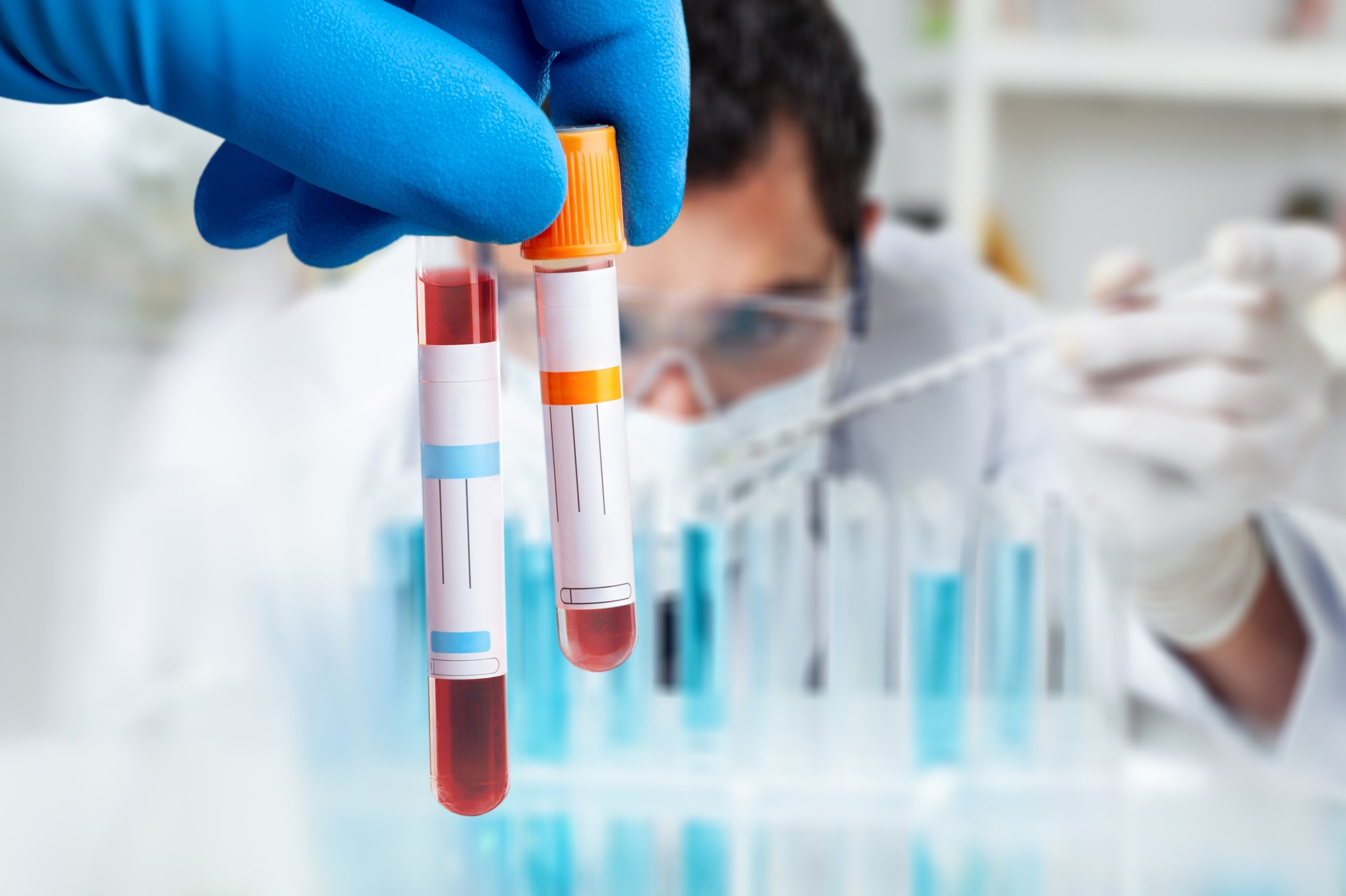
UK Biobank announced completion of the world’s largest metabolomic study on November 20, 2025, analyzing nearly 250 distinct molecules from 500,000 volunteers’ blood samples. This massive undertaking required 50,000 hours of metabolite measurement conducted by Nightingale Health. The study includes longitudinal data from 20,000 participants who provided second blood samples five years later, enabling researchers to track metabolite changes over time and understand disease progression patterns.
Professor Naomi Allen, Chief Scientist at UK Biobank, explains that metabolites bridge the gap between health and disease by revealing biological processes that genetic or protein data alone cannot capture. Unlike genetic information that shows what could happen, metabolomic data reveals what is actually happening in real time within the body, making it particularly valuable for understanding disease mechanisms and predicting health outcomes.
Get personalized health data from your AI doctor.
Watch:
Clinical Applications Already Transforming Healthcare
Even before this massive dataset’s completion, metabolomic research has produced clinical tools already in use. Finland and Singapore currently employ metabolite-based blood tests for Type 2 diabetes risk prediction. Researchers have developed methods to identify individuals at high risk for heart disease years before diagnosis occurs. Additionally, scientists have created “metabolomic clocks” that estimate biological age independently of chronological age, potentially revolutionizing how we understand aging and health risks.
The integration of metabolomic data with existing genetic, proteomic, and imaging information from UK Biobank creates a comprehensive understanding of human health. Over 22,000 researchers from more than 60 countries currently utilize UK Biobank data, producing more than 18,000 peer-reviewed publications. This metabolomic release will likely accelerate research output substantially, enabling rapid hypothesis testing across multiple disease areas for the first time at this scale.
Meet My Healthy Doc – instant answers, anytime, anywhere.
Concerns About Healthcare Surveillance and Access
The scale of biological data collection raises significant questions about privacy and government control over personal health information. This comprehensive biological surveillance system could enable unprecedented monitoring of individual health status, potentially affecting insurance coverage, employment decisions, and personal freedoms. The centralized nature of this data, controlled by UK Biobank’s approval process, creates a gatekeeping system that determines which researchers access this powerful information.
The pharmaceutical industry’s commercial interests in this data could drive research toward profitable treatments rather than broadly beneficial health interventions. Additionally, regulatory frameworks for clinical validation and implementation of metabolomic tests remain underdeveloped, potentially creating unequal access to these predictive healthcare tools across different healthcare systems and economic circumstances.
Say goodbye to unequal medical care access. Hello to instant care.
Sources:
World’s Largest Metabolomic Study Completed, Paving Way for Predictive Medicine
World’s largest metabolomic study completed, paving way for predictive medicine
Metabolon Powers Largest Ever Veteran Metabolomics Study
This New 500,000-Person Study Could Change How We Predict Disease
Largest Ever Veteran Metabolomics Study
World’s largest metabolomic study completed, paving way for predictive medicine