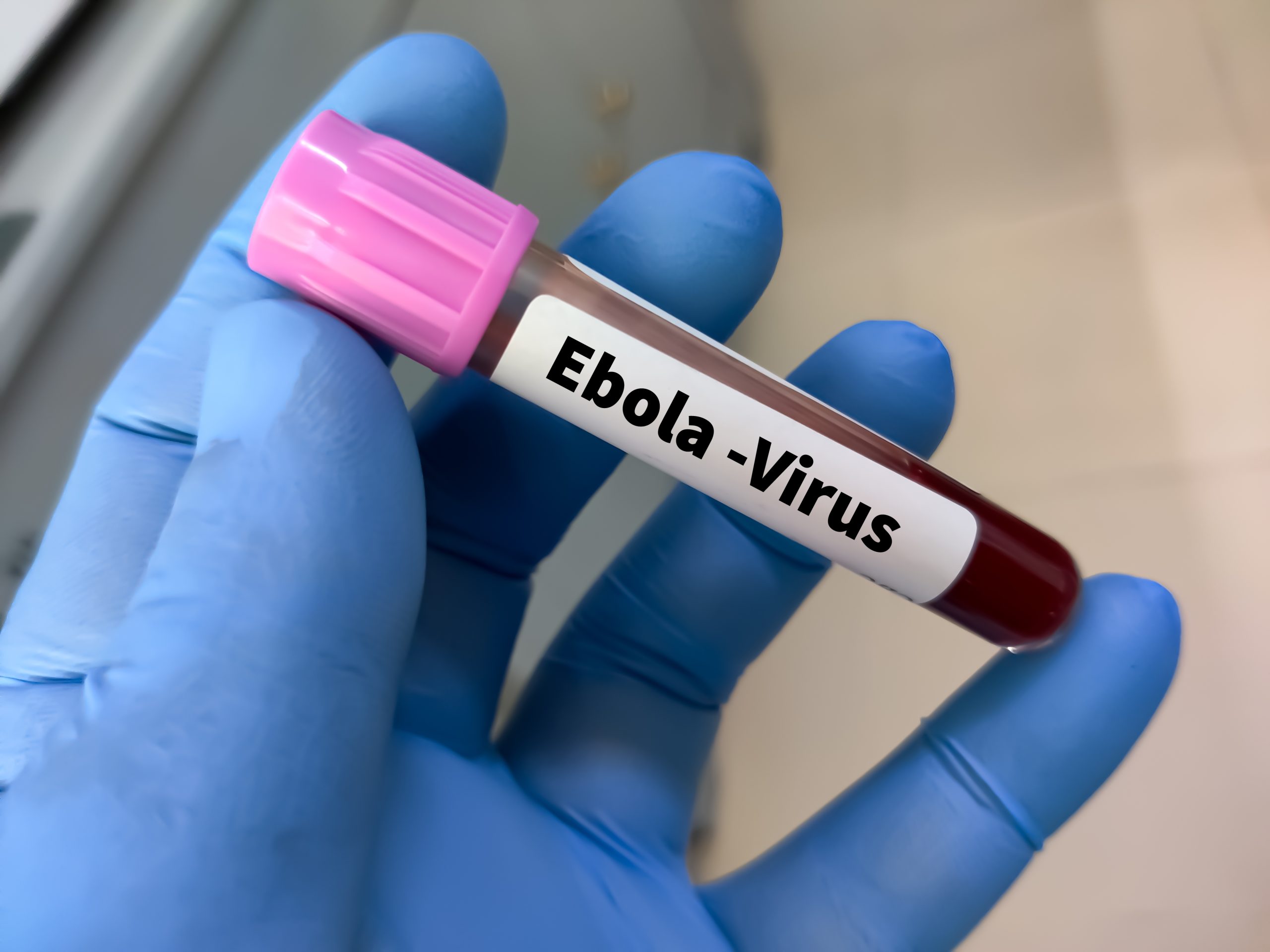

Ebola survivors thought to be cured can harbor the deadly virus for years in hidden body sanctuaries, potentially triggering new outbreaks when scientists least expect it.
Story Overview
- Ebola virus persists in immune-privileged sites like the eyes, brain, and testes for months to years after recovery
- Survivors can experience viral reactivation and initiate new outbreaks up to 5 years post-infection
- Almost 90% of treated Ebola survivors suffer long-term health effects including chronic pain and vision problems
- Scientists are developing specialized antivirals to target these hidden viral reservoirs
The Body’s Secret Hiding Places
Scientists discovered that Ebola doesn’t simply vanish after recovery. The virus retreats to immune-privileged sites where the body’s defense systems can’t reach it effectively. These sanctuaries include the eye’s aqueous humor, the brain’s ventricular system, and the testes’ Sertoli cells. In these protected environments, Ebola enters a dormant state, evading detection while maintaining the potential for reactivation.
The implications are staggering. A nurse in Sierra Leone developed meningitis nine months after her supposed recovery, with scientists detecting active Ebola virus in her blood and spinal fluid. This case shattered the medical community’s understanding that Ebola was merely an acute disease with a definitive end point.
Scientists are trying to understand how Ebola hides inside the bodies of survivors https://t.co/Nb6aIUYJ4r
— Stephen Baruch (@bcpexpert) October 27, 2025
Years-Long Viral Persistence Challenges Everything
Research reveals that Ebola can persist in survivors’ semen for up to five years following infection. Statistical models predict that from a cohort of 5,000 survivors, approximately seven males could still be shedding virus after five years. While these numbers seem small, they represent enormous outbreak potential since a single reactivated case can trigger an entirely new epidemic.
The virus demonstrates remarkable adaptability across different bodily compartments. Scientists have detected Ebola RNA in skin swabs 23 days after apparent viral clearance, and in one extraordinary case, isolated live virus from urine nine days after blood tests showed no infection. This persistence pattern extends beyond reproductive tissues to include breast milk and other bodily fluids.
The Devastating Long-Term Toll on Survivors
Post-Ebola syndrome affects nearly 90% of survivors with persistent, debilitating symptoms. Chronic arthralgia, severe headaches, bone pain, abdominal distress, and vision impairment plague those who thought they had conquered the disease. The delicate balance between weakened immune surveillance and limited viral replication creates ongoing chronic inflammation throughout survivors’ bodies.
Beyond physical suffering, survivors face devastating social stigmatization. Communities fear potential transmission, leading to isolation and discrimination that compounds their medical challenges. The uncertainty surrounding viral shedding duration intensifies these social consequences, creating a double burden of illness and ostracism.
Racing Against Hidden Outbreaks
Public health authorities now confront an unprecedented challenge: monitoring thousands of survivors indefinitely while developing strategies to neutralize hidden viral reservoirs. Specialized survivor clinics have emerged across affected regions, providing long-term medical surveillance and specialized interventions like safe cataract surgery for vision-impaired survivors.
Sources:
Frontiers in Virology – Ebola Virus Persistence Study
Exploration Publishing – Viral Persistence Research
PMC – Sudan Ebolavirus Survivor Studies
Oxford Academic – Open Forum Infectious Diseases