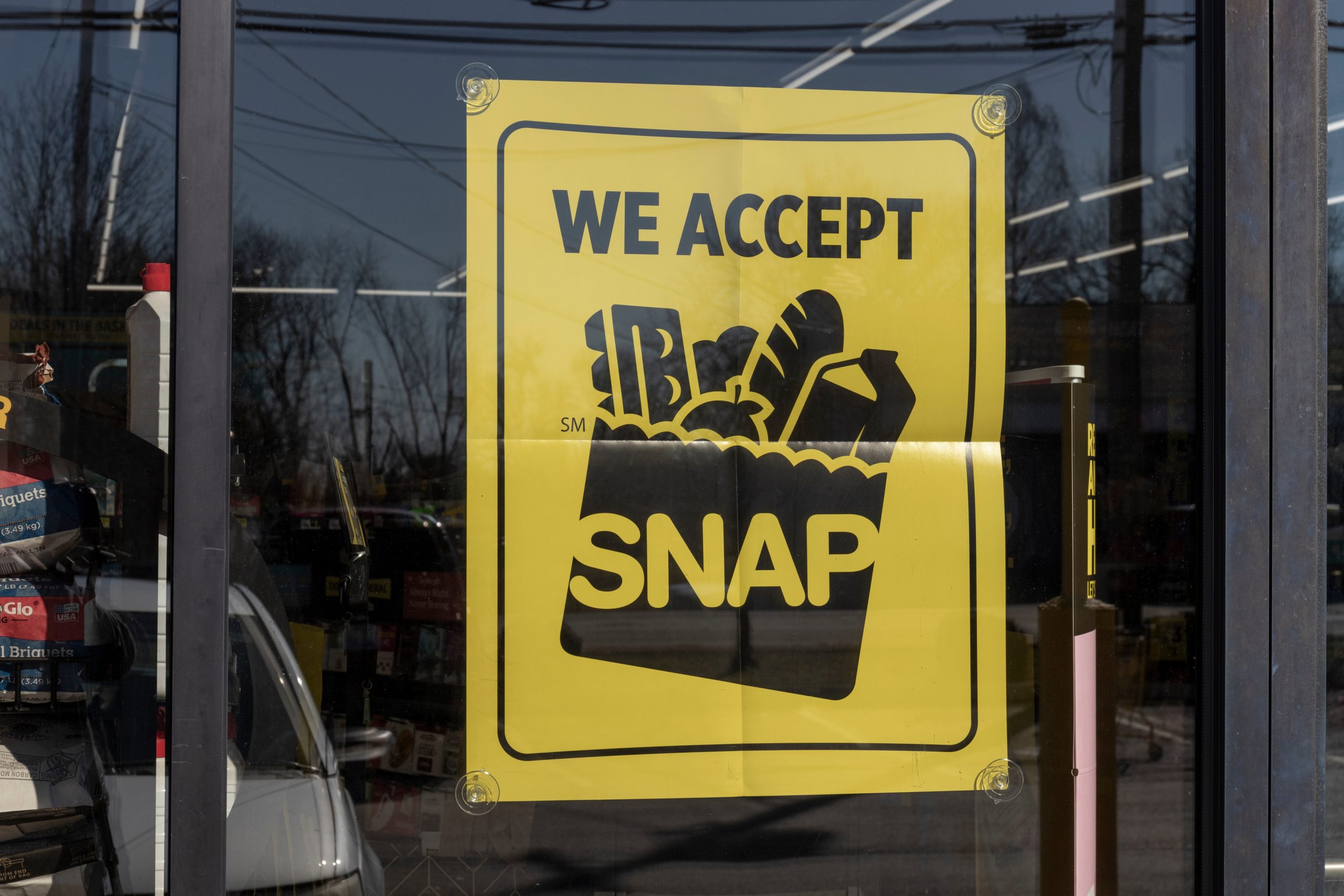

The nation’s largest anti-hunger program is teetering on the edge of disruption for the first time in modern history, threatening food security for 42 million Americans.
Story Snapshot
- SNAP’s looming shutdown could deny food aid to 42 million people, mostly seniors, families, and the disabled.
- This is the first interruption of its kind since the program’s origins during the Great Depression.
- Consequences would ripple far beyond recipients, hitting grocers and local economies hard.
- Experts warn there is no precedent or playbook for a crisis of this scale.
The SNAP Safety Net Faces Its Greatest Test
SNAP, the Supplemental Nutrition Assistance Program, has long been the backbone of America’s fight against hunger. Created in the aftermath of the Great Depression and evolving into today’s form, SNAP now supports a staggering 42 million Americans. The majority are children, elderly individuals, and people with disabilities—groups that have little margin for disruption. For decades, the program has weathered political storms and economic downturns, but never a full-scale shutdown. Now, for the first time, policymakers are staring down the real possibility that this essential assistance could grind to a halt.
"'Uncharted territory': Ongoing shutdown threatens food aid for 42 million people" https://t.co/EaaFGnmAf2
— Garance Franke-Ruta (@thegarance) October 25, 2025
The Department of Agriculture has issued warnings: funds for food aid will run dry within weeks if Congress fails to act. Recipients and advocates alike are bracing for an unprecedented gap in benefits. Unlike past budget disputes, there is no contingency plan robust enough to plug this hole. Local food banks, already stretched thin, cannot fill the void left by a lapse in federal aid. The potential fallout goes far beyond missed meals—it threatens to unravel a fragile support system that millions depend on for survival.
Watch: ‘Uncharted territory’: Ongoing shutdown threatens food aid for 42 million people
Economic Shockwaves and Political Stakes
The imminent SNAP shutdown is not just a humanitarian crisis; it is an economic one. SNAP dollars flow directly into local grocery stores, bodegas, and farmers’ markets. When benefits stop, retailers lose revenue, workers face layoffs, and local economies contract. Small towns and rural areas, where SNAP dollars represent a significant share of food sales, are especially vulnerable. This economic feedback loop means the pain of a shutdown will not be confined to program recipients—it will be felt on Main Streets across the country.
Political leaders face a stark choice: resolve funding disputes or preside over the largest disruption of food aid in American history. Unless a solution emerges soon, the consequences will be both immediate and historic—reshaping how the nation thinks about its obligations to the most vulnerable.
Unanswered Questions and a Race Against Time
As the shutdown threat intensifies, uncertainty is the only constant. Recipients have been told to prepare for delays, but few know what that will mean in practice. Nonprofit organizations warn that demand for emergency food could double or triple overnight. State agencies, which administer SNAP, say they lack the resources to fill the gap or to communicate rapidly changing information to millions of households. The situation is fluid, the stakes are enormous, and the margin for error is vanishingly small.
Sources:
https://news.northeastern.edu/2025/10/27/snap-benefits-food-stamps-government-shutdown