
Your heart’s rhythm holds the secret to unlocking better stress resilience and emotional regulation through three scientifically proven biofeedback techniques.
Story Highlights
- Resonance frequency breathing at 4.5-6.5 breaths per minute maximizes heart rate variability by stimulating your body’s natural baroreflex system
- Real-time HRV biofeedback training teaches conscious control over autonomic functions, improving both cardiovascular and mental health outcomes
- Cognitive-behavioral techniques combined with biofeedback amplify results, particularly for clinical populations recovering from chronic conditions
- Recent studies show HRV biofeedback helps COVID-19 survivors restore autonomic function and accelerates recovery
The Hidden Language of Your Heart
Heart rate variability represents far more than simple cardiac rhythm. This sophisticated biomarker reflects your autonomic nervous system’s ability to adapt and respond to stress. Higher HRV correlates with better cardiovascular health, emotional stability, and cognitive performance. Decades of research beginning in the 1990s established HRV as a critical indicator of physiological resilience, leading to breakthrough interventions that allow conscious control over these previously automatic processes.
Watch: The Most Advanced, Real Time Biofeedback Technique | Dr. Stephen Gangemi – YouTube
Method One: Mastering Your Breathing Frequency
Resonance frequency breathing represents the most fundamental HRV enhancement technique. Each person possesses a unique optimal breathing rate, typically between 4.5 and 6.5 breaths per minute, that maximally stimulates their baroreflex system. This physiological sweet spot creates the largest oscillations in heart rate, generating peak HRV values. Unlike generic breathing exercises, individualized resonance frequency assessment identifies your precise optimal rate through systematic testing.
The mechanism involves respiratory sinus arrhythmia, where heart rate naturally increases during inspiration and decreases during expiration. Slow-paced breathing at your resonance frequency amplifies this natural rhythm, strengthening the connection between respiratory and cardiovascular systems. Research consistently demonstrates that personalized breathing rates produce superior outcomes compared to standardized protocols.
3 Scientifically Backed Ways To Increase Your HRV, From A Biofeedback Expert https://t.co/wBP0lLLDfe
— Consciousness Intervention (@CSIntervention) October 27, 2025
Method Two: Real-Time Biofeedback Technology
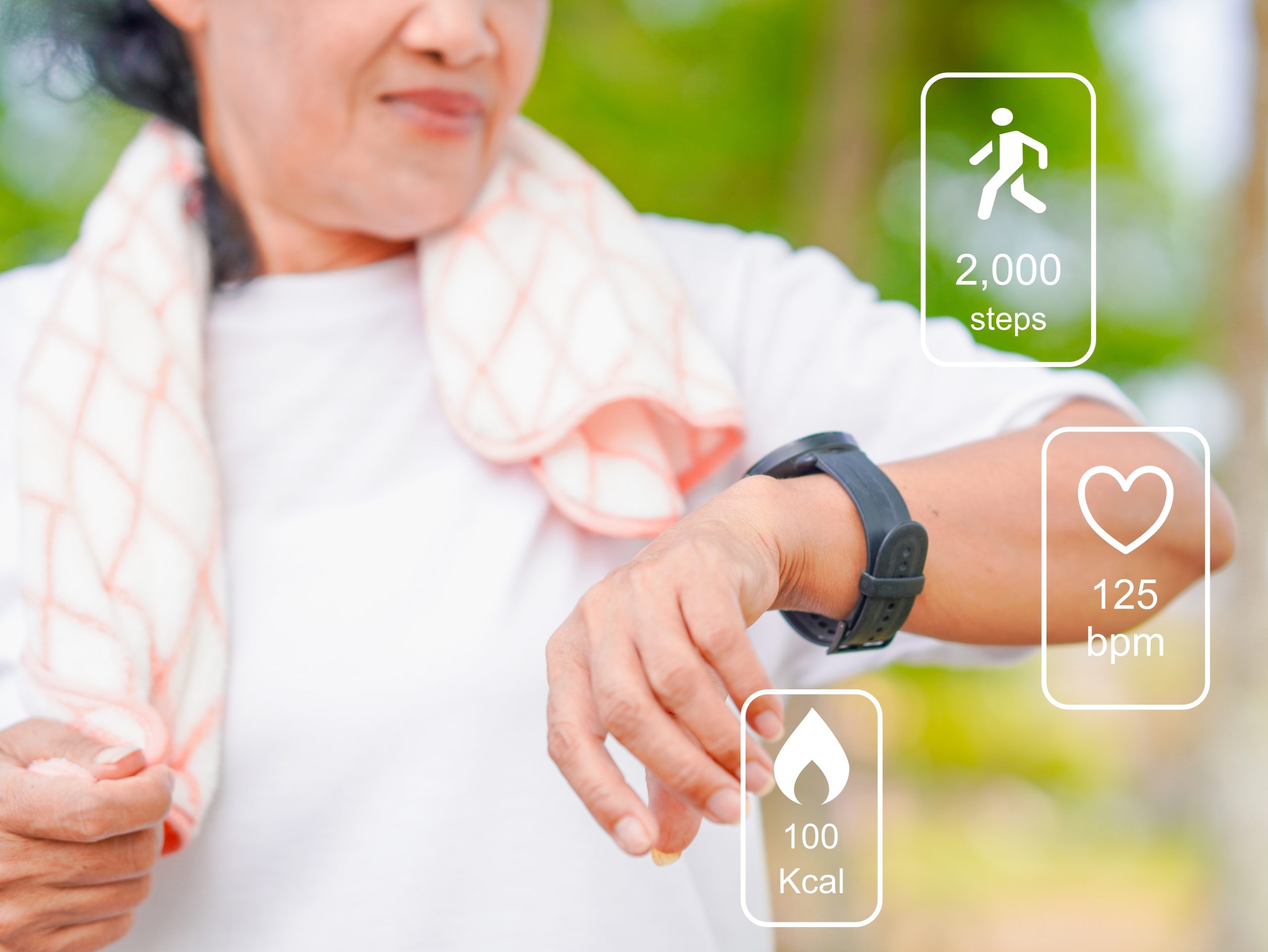
HRV biofeedback training employs sophisticated software and devices that provide immediate visual feedback on your heart rhythm patterns. Participants watch their HRV displayed in real-time, learning to consciously influence autonomic functions through breathing techniques, mental focus, and emotional regulation strategies. This technological approach transforms invisible physiological processes into observable, controllable variables.
Clinical applications span diverse populations, from anxiety sufferers to heart failure patients to COVID-19 survivors. The training typically involves multiple sessions where individuals practice achieving coherent heart rhythm patterns while receiving continuous feedback. Studies document significant improvements in emotional regulation, cognitive function, and cardiovascular health following structured biofeedback programs. The technology enables precise measurement and gradual skill development that would be impossible through subjective methods alone.
Method Three: Integrating Mind-Body Strategies
Cognitive-behavioral techniques amplify biofeedback effectiveness by addressing psychological factors that influence autonomic function. Psychoeducation helps participants understand the connection between thoughts, emotions, and physiological responses. Stress management strategies, emotional regulation skills, and mindfulness practices create comprehensive interventions targeting multiple pathways to improved HRV.
Healthcare providers combine traditional biofeedback protocols with cognitive restructuring, relaxation training, and lifestyle modifications. The synergistic effect addresses both immediate physiological symptoms and underlying behavioral patterns that contribute to autonomic dysfunction, creating sustainable long-term improvements in health outcomes.
Sources:
Frontiers in Neuroscience – Resonance Frequency Breathing and HRV
European Society of Cardiology – HRV Biofeedback in COVID-19 Survivors
PMC – Clinical Applications of HRV Biofeedback
Mayo Clinic – Biofeedback Overview