
If you thought a can of soda was always harmless, the story of Coca-Cola’s latest recall might have you checking every fizz before your first sip.
Story Snapshot
- Coca-Cola recalled over 70,000 cans in Texas due to potential metal contamination.
- The recall affected Coca-Cola, Coca-Cola Zero Sugar, and Sprite—three of the company’s flagship brands.
- No injuries have been reported, but the action highlights recurring quality control challenges for the beverage giant.
- This is Coca-Cola’s second major recall in 2025, raising broader concerns about industry standards and consumer trust.
Contaminated Cans: What Triggered Coca-Cola’s Largest Texas Recall in Years
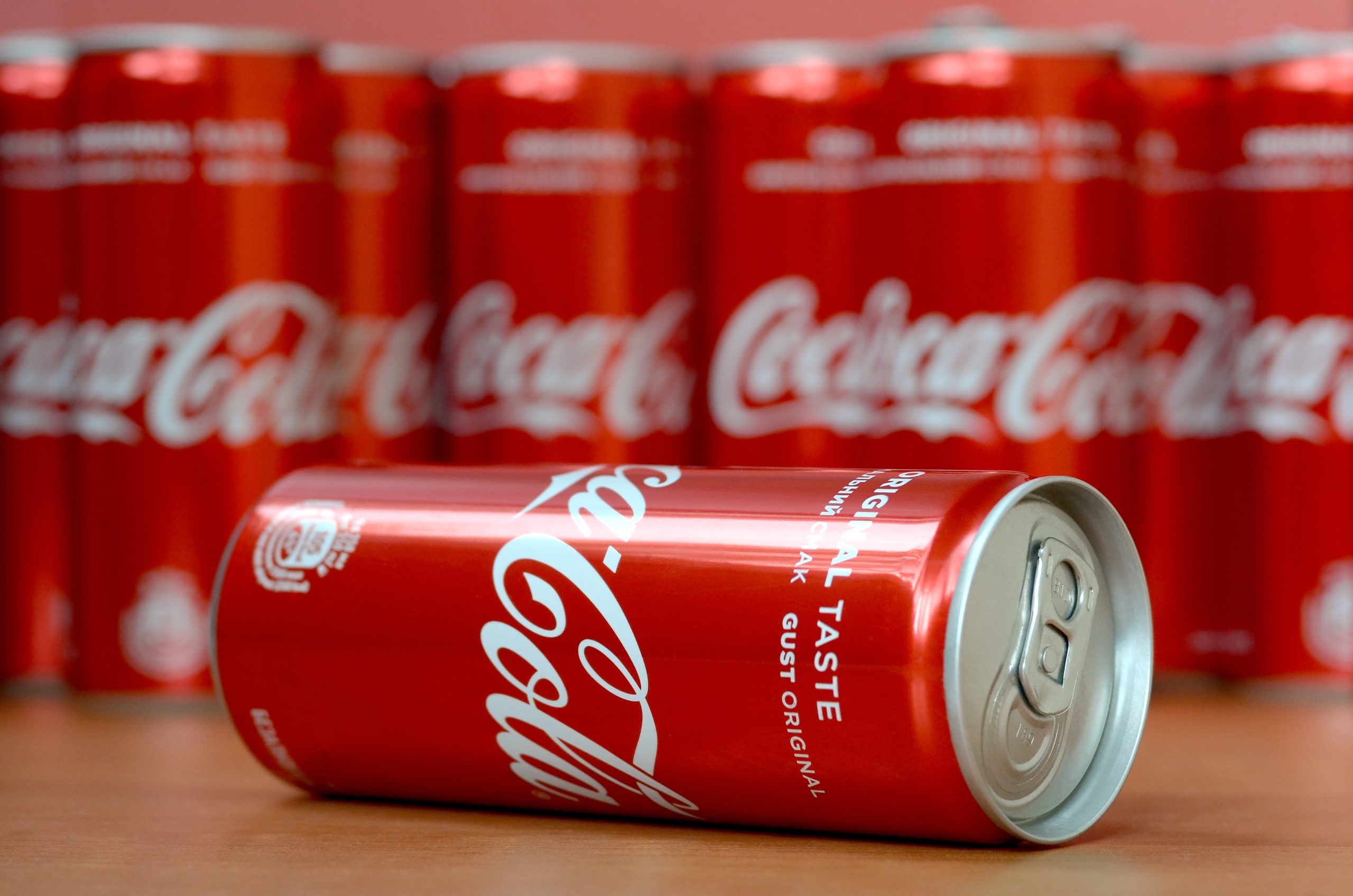
On October 3, 2025, Coca-Cola Southwest Beverages, LLC pulled the emergency brake. More than 70,000 cans—spanning Coca-Cola Classic, Coca-Cola Zero Sugar, and Sprite—were yanked from shelves across Texas, specifically the McAllen/Rio Grande Valley and San Antonio regions. The culprit: possible metal fragments lurking inside the cans, discovered during routine internal quality checks. The Food and Drug Administration (FDA) classified the recall as Class II, which signals a moderate risk to health but is a serious enough threat to prompt swift removal from store inventories. By October 10, every affected product was gone from retail locations, a testament to the speed and scope of Coca-Cola’s response.
Watch: Coca Cola Recalls Over 70,000 Cans Due to Metal Fragment Risk #CocaColaRecall
Coca-Cola’s move, while strictly precautionary, is far from routine. The recall comes amid heightened scrutiny of food and beverage safety, as the FDA’s recall classifications have become a barometer for consumer confidence. No injuries or illnesses have been linked to the contaminated cans, but the fact that metal fragments could have entered the supply chain at all is a warning bell for both industry insiders and consumers. The recall’s regional focus—limited to Texas—raises questions about localized vulnerabilities in production and distribution, especially given recent similar incidents in Illinois, Wisconsin, and even across the Atlantic in Europe.
TEXAS MILITARY beware pass this on South Texas McAllen area Coca-Cola Just Recalled Over 70,000 Cans of Soda Due to Contamination https://t.co/rh7uRUQioH
— Woman Outside The Matrix (@CyberRodeoGal) October 23, 2025
The Recurring Recall Problem: Historical Patterns
Coca-Cola’s history with product recalls is as old as the brand’s legacy. From packaging defects to ingredient contamination, the company’s recall log reflects the complexities of a global supply chain managed through a network of regional bottlers. Earlier in 2025, recalls in Belgium, Luxembourg, and the Netherlands stemmed from elevated chlorate levels, while plastic contamination triggered voluntary withdrawals in Illinois and Wisconsin. These incidents rarely cause injuries, but each one chips away at the foundation of consumer trust. The beverage industry, pressured by regulators and watchdogs, now operates in a climate where every slip can go viral and every recall is a test of transparency and accountability.
Broader Implications: Lessons for Brands and Consumers
The immediate fallout of the Texas recall is measurable: disrupted supply chains, economic losses for retailers, and a renewed sense of vigilance among consumers. The longer-term consequences, however, are harder to quantify but arguably more significant. Frequent recalls, even when no injuries occur, erode public trust and invite skepticism about the reliability of large-scale food and beverage manufacturing. Brands must contend not just with the technical challenge of contamination, but with the public relations challenge of restoring confidence in a crowded, competitive market.
Sources: