
One overlooked secret can flatten your belly in minutes—yet almost no one talks about it, and the science behind it is hiding in plain sight.
Quick Take
- Bloating relief is often faster and simpler than people realize.
- Dietary tweaks and targeted lifestyle changes offer rapid improvement.
- Pharmaceutical options exist but aren’t always necessary for most cases.
- Expert consensus leans toward multifaceted, personalized solutions for lasting comfort.
Why Bloating Strikes—and Why Most Advice Misses the Mark
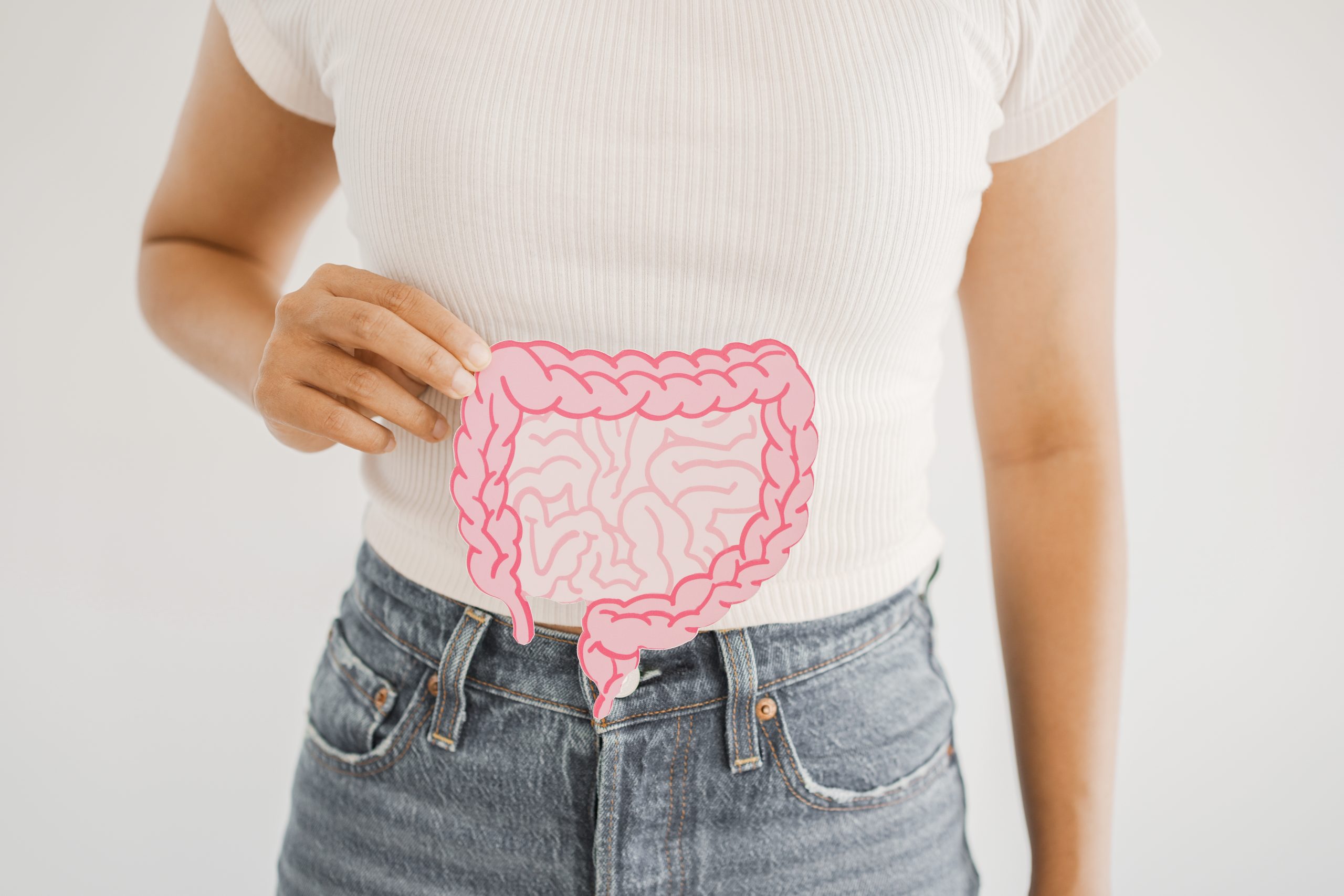
Bloating isn’t just an occasional inconvenience; it’s a stealth saboteur of daily life for millions. Modern medicine now recognizes bloating as both a standalone complaint and a symptom tied to a spectrum of digestive issues. While the causes range from high-FODMAP foods to stress and sluggish gut motility, the experience is universally aggravating. Yet, much of the advice floating around—chug more water, walk it off, avoid “gassy” foods—rarely delivers on its promise of fast, reliable relief. Recent research has upended old thinking, pointing to faster, more effective strategies that sidestep the trial-and-error misery so many endure.
Watch: 7 Ways To Relieve a Bloated Stomach
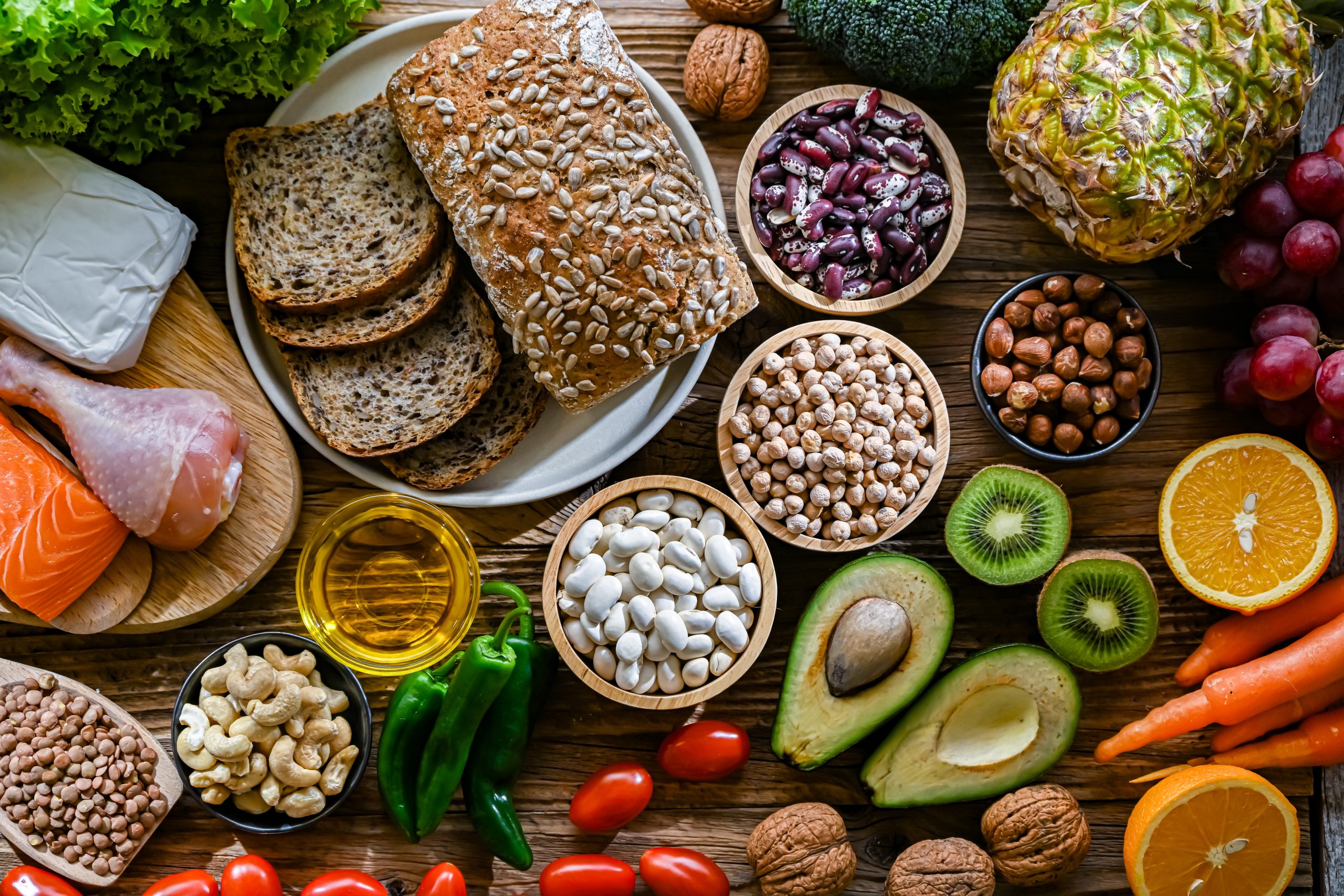
Gastroenterologists now deploy a wider arsenal: targeted elimination diets, quick-acting medications, and even simple physical techniques. The low-FODMAP diet, once a fringe suggestion, is now a staple for those seeking rapid improvement. Clinical trials confirm that cutting out certain fermentable carbs can reduce bloating within days for many patients. But the real breakthrough is the recognition that not all bloat is created equal. For some, a gentle abdominal massage or a strategic herbal tea can produce near-instant results—sometimes in less than 15 minutes. These “easiest and fastest” fixes are finally getting the mainstream attention they deserve, especially among those tired of waiting weeks for relief.
Watch: How to Instantly Relieve Bloating and Gas
How Science Redefined Quick Relief—And What Works Right Now
Pharmaceutical companies have invested heavily in prescription solutions like linaclotide and rifaximin. These drugs, while effective for specific cases (notably constipation-predominant IBS), aren’t magic bullets for everyone. The real paradigm shift comes from evidence-based lifestyle interventions. Harvard and Cleveland Clinic experts now recommend a three-pronged approach: identify personal triggers, try a short-term low-FODMAP regimen, and experiment with natural techniques like peppermint oil or mindful movement.
Abdominal massage, for instance, has emerged as a rapid-fire fix backed by both clinical and anecdotal evidence. Videos demonstrating the technique rack up millions of views, and for good reason: when performed correctly, these simple movements can stimulate the gut and expel trapped gas within minutes. Likewise, stretching routines and breathing exercises are gaining traction as first-line interventions, especially for those averse to medications. The bottom line is clear: effective, rapid bloat relief is now within reach for most people, provided they know where to start.
What the Future Holds for Bloat Relief—And How You Can Take Advantage
Recent studies and clinical guidelines suggest that the era of chronic, mysterious bloating may be ending. With the rise of personalized medicine and consumer access to reliable information, patients now have unprecedented power to manage their symptoms swiftly and efficiently. The biggest gains come from combining rapid-acting, evidence-based fixes—like dietary tweaks, massage, and gentle movement—with a willingness to experiment and track results.
For the millions who suffer in silence, these developments promise a future where bloating is no longer a daily struggle. Instead, it becomes a manageable, fleeting annoyance—quickly dispatched with the right knowledge and a few simple tools. The key is staying informed, open-minded, and willing to try what works for you. The science now supports what some have long suspected: sometimes, the fastest way to comfort is also the simplest.
Sources:
NCBI: Pathophysiology and Treatment of Bloating