
Feeling perpetually exhausted? The answer might lie on your plate.
Story Snapshot
- Common foods like processed grains and sugars may sap your energy.
- Scientific studies highlight dietary patterns linked to fatigue.
- Experts suggest dietary changes to boost energy levels.
- The Mediterranean diet is associated with reduced fatigue.
Impact of Processed Foods on Energy Levels
Processed foods have become ubiquitous in Western diets, often at the expense of our energy levels. Studies consistently show that foods high in refined grains, added sugars, and unhealthy fats are significant contributors to fatigue. These foods cause rapid blood sugar spikes followed by crashes, leaving you feeling drained and sluggish. High-glycemic foods such as white bread and sugary snacks may provide a short-lived energy boost, but the subsequent dip can be severe, leading to a cycle of exhaustion.
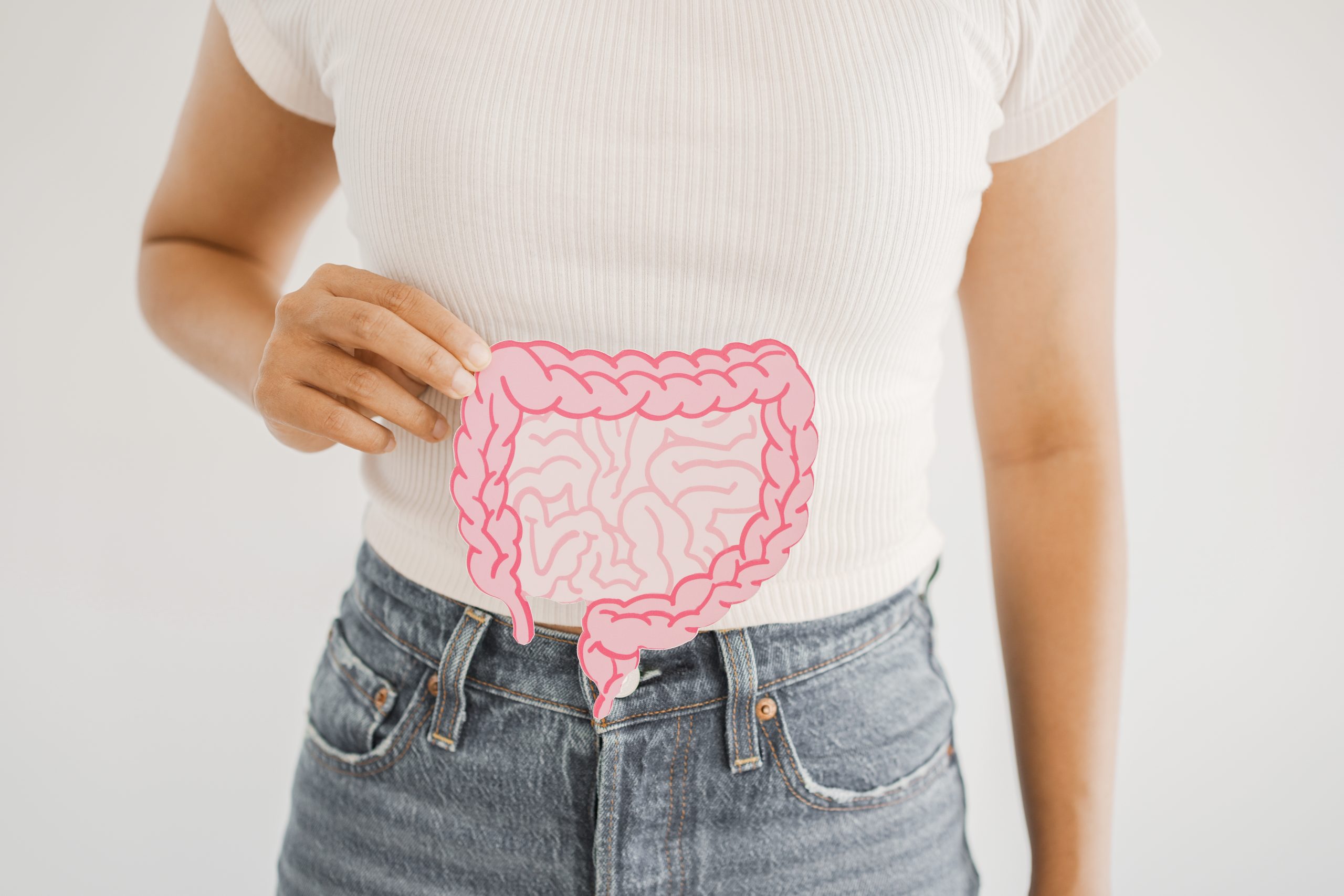
In addition to their impact on blood sugar, processed foods are often devoid of essential nutrients. This lack of micronutrients, particularly B vitamins, can exacerbate feelings of tiredness. The industrial seed oils found in many processed foods are linked to inflammation, which further contributes to fatigue. These oils can alter the gut microbiome, affecting the gut-brain axis and energy regulation. Addressing these dietary culprits is crucial for those seeking sustainable energy improvements.
Role of Diet in Energy Regulation
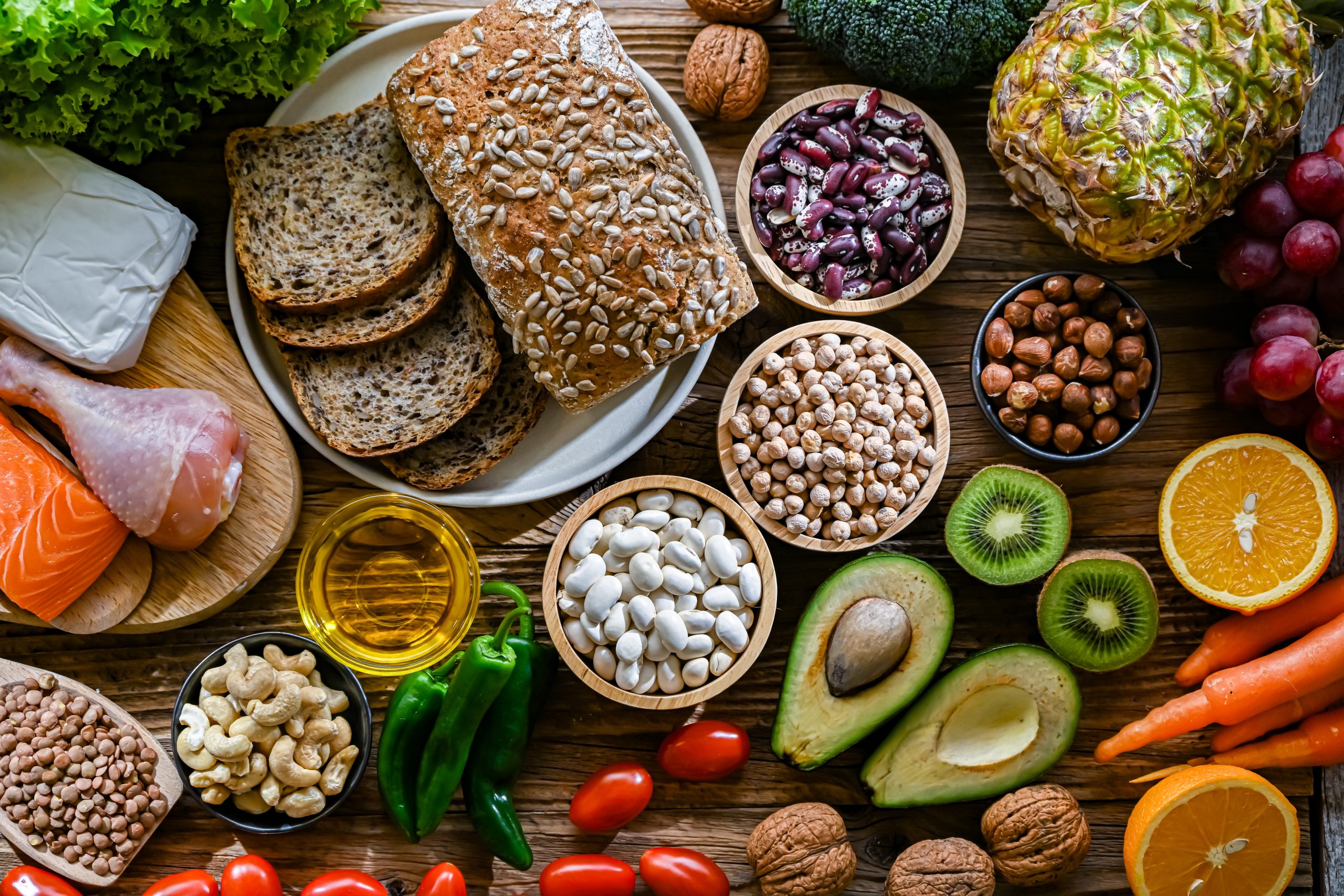
The Mediterranean diet, characterized by high intake of vegetables, whole grains, and fish, offers a stark contrast to the energy-draining effects of processed foods. Research indicates that this dietary pattern can significantly reduce feelings of fatigue. The Mediterranean diet’s emphasis on whole foods, healthy fats, and lean proteins helps stabilize blood sugar levels and reduce inflammation, providing a steady source of energy throughout the day.
Experts like Dr. Uma Naidoo from Harvard Medical School emphasize the role of diet in managing fatigue. She notes that chronic inflammation from processed foods can lead to persistent tiredness. By focusing on healthier alternatives, individuals can not only boost their energy levels but also improve their overall health. Substitutions such as whole grains for refined grains and fish for red meat can make a noticeable difference in energy and vitality.
Scientific Evidence and Expert Opinions
The link between diet and fatigue is supported by a growing body of scientific evidence. The Women’s Health Initiative study found that adherence to the Mediterranean diet was associated with improved fatigue scores in older women, independent of diabetes or obesity status. These findings underscore the importance of dietary choices in managing energy levels and reducing fatigue-related complaints.
Nutritionists and dietitians are increasingly advocating for dietary changes that prioritize whole foods over processed options. They emphasize the importance of maintaining a balanced diet rich in essential nutrients to prevent energy depletion. The consensus among experts is clear: reducing intake of processed grains, added sugars, and unhealthy fats can significantly improve energy levels and overall well-being.
Actionable Dietary Strategies
For those struggling with persistent fatigue, simple dietary changes can yield substantial benefits. Start by substituting whole grains such as brown rice and quinoa for refined grains like white rice and pasta. Limit consumption of sugary drinks and snacks, and opt for natural sweeteners or fruit instead. Incorporating more fish and plant-based proteins into your diet can also help maintain steady energy levels throughout the day.
The journey to improved energy begins with mindful eating. By making informed food choices and prioritizing nutrient-rich, whole foods, individuals can break free from the cycle of fatigue. As public interest in healthy eating grows, the focus on reducing processed food consumption and embracing dietary patterns like the Mediterranean diet is likely to continue, promising a brighter, more energetic future for many.
Sources:
Mediterranean Diet and Fatigue among Community-Dwelling Older Women (NIH, PMC)
7 Foods That Drain Your Energy (Healthline)
5 types of foods that can make you ‘tired and stressed’ Harvard nutritionist (LiveInHomeCare)