
Four humble whole grains—oats, quinoa, whole wheat, and barley—carry the power to liberate you from the misery of constipation, yet most people don’t realize how quickly these everyday staples can transform gut health and daily comfort.
Story Snapshot
- Whole grains deliver essential fiber that dramatically improves bowel regularity.
- Dietitians endorse oats, quinoa, whole wheat, and barley for their unique gut benefits.
- Simple shifts—like swapping refined pasta for whole wheat—can keep you more regular.
- Hydration, movement, stress management, and sleep all amplify the power of fiber.
Why Constipation Persists in a Modern Diet
Constipation—often dismissed as a minor inconvenience—quietly robs adults of energy, mood, and even productivity. The culprit? Diets dominated by processed foods and stripped grains, which rob the gut of the fiber it desperately needs for smooth operation. Fiber—especially the blend of soluble and insoluble types found in whole grains—adds bulk, softens stool, and feeds the trillions of bacteria that orchestrate digestion. Without it, sluggishness sets in. The solution is hiding in plain sight on supermarket shelves.
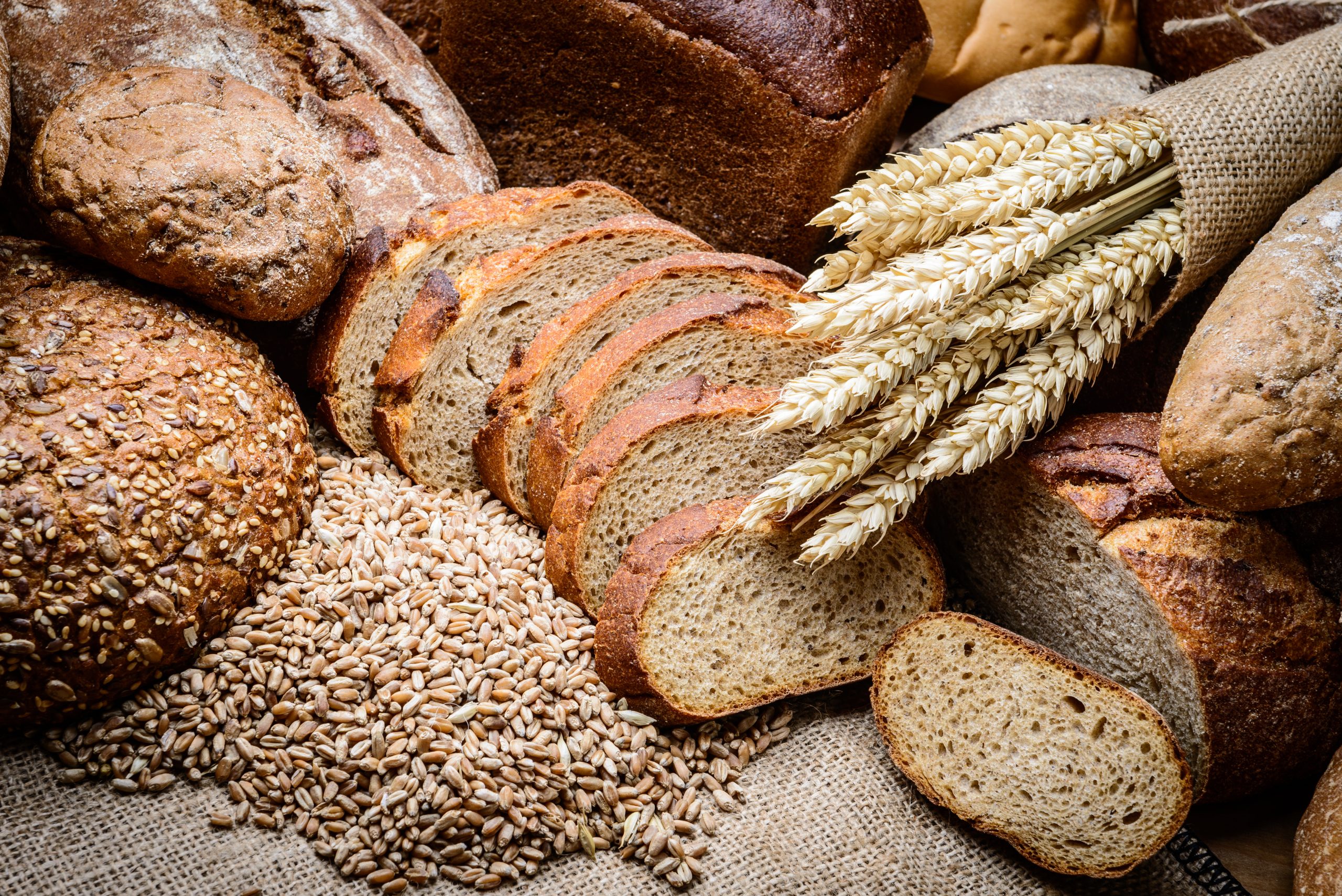
Oats, quinoa, whole wheat, and barley aren’t just nutrition buzzwords. Each grain brings a unique set of fibers and micronutrients that act as natural regulators for the digestive tract. Oats, lauded for their beta-glucan content, actively improve intestinal movement while fostering the growth of beneficial gut bacteria. Quinoa, often celebrated as an ancient superfood, not only delivers prebiotic fibers but also magnesium—an unsung hero for relaxing digestive muscles and supporting regularity. Barley stands out for its nearly 6 grams of fiber per cup and a type of soluble fiber that softens and moves stool efficiently. Meanwhile, whole wheat products, omnipresent in American diets, offer an easy upgrade from their refined cousins, bulking up stool and fueling a diverse microbiome.
How Each Whole Grain Powers Digestion
Oats shine as a breakfast staple for good reason. Their unique blend of soluble and insoluble fiber softens stool and speeds up gut transit time. Beta-glucan, a potent soluble fiber in oats, acts as a prebiotic, feeding healthy bacteria and improving stool quality. Dietitians point to oats as a simple yet powerful way to chip away at the daily fiber recommendation—25 grams for women, 38 for men—by adding a mere half-cup serving to your morning routine.
Quinoa’s popularity extends beyond gluten-free circles. Its balanced fiber profile and magnesium content make it ideal for those seeking a gentle, natural way to stay regular. One cup of cooked quinoa brings 5 grams of fiber to the table and supports the growth of gut-friendly bacteria that produce short-chain fatty acids, essential for healthy bowel habits. Quinoa’s versatility—from salads to stir-fries—makes it an effortless addition for anyone seeking digestive relief.
Everyday Swaps That Make a Big Difference
Whole wheat is a quiet workhorse. While it may not boast the highest fiber per serving, its prevalence in bread, pasta, and crackers means it can stealthily boost daily fiber intake. Swapping white pasta for whole wheat or reaching for whole-wheat bread instead of white are low-effort shifts that can have outsized impacts on regularity. Whole wheat products also function as prebiotics, subtly feeding the beneficial microbes that orchestrate digestion from within.
Barley, while less common in American pantries, remains a dietary gem for anyone fighting sluggish bowels. With 6 grams of fiber per cooked cup and a hearty texture, barley fits seamlessly into soups, stews, and grain bowls. Its beta-glucan content rivals that of oats, helping to prevent constipation by increasing stool frequency and ease of passage. Dietitians recommend rotating barley into your meal plan for both its fiber and its role in supporting a healthy, balanced microbiome.
The Unseen Allies: Lifestyle Habits That Supercharge Fiber
Fiber’s benefits are magnified or diminished by simple daily choices. Water is the silent partner in fiber’s work; without it, even the best whole grains can make constipation worse. Physical activity—especially a gentle walk after meals—stimulates intestinal contractions and helps keep things moving. Chronic stress, on the other hand, slows digestion by shifting the body into “fight or flight” mode, making relaxation practices like meditation or yoga essential for regularity. Sleep, too, plays a pivotal role, as poor rest disrupts the hormonal rhythms that govern bowel movements. Mindful eating—slowing down, chewing thoroughly, and tuning into fullness—can also ease symptoms for those with sensitive guts.
Combining these grains and habits isn’t about overhauling your life overnight. It’s about small, sustainable tweaks: a bowl of oatmeal here, a swap to whole grain bread there, an extra glass of water, a brisk walk, an early bedtime. The result? A digestive system that works with you, not against you—delivering comfort, energy, and freedom from the quiet misery of constipation.
Sources:
Best and Worst Foods to Eat for Gut Health
Best Whole Grains to Support Gut Health