
Potassium might just be the secret ingredient to achieving a deeper, more restful sleep.
Story Overview
- Potassium plays a crucial role in promoting sleep quality.
- Many people overlook potassium when considering nutrients for sleep.
- Including potassium-rich foods in your dinner can enhance sleep.
- Potassium impacts muscle relaxation and nerve function, aiding rest.
The Power of Potassium
Potassium is often overshadowed by other nutrients like magnesium when discussing sleep aids. However, its role in facilitating muscle relaxation and nerve function makes it a key player in promoting restful sleep. Potassium helps in regulating the balance of fluids in the body, which is essential for maintaining proper cellular function. This balance is critical for ensuring that your body can relax and repair itself during the night, leading to improved sleep quality.
Potassium’s ability to aid in muscle relaxation can help ease the tension that might otherwise keep you tossing and turning. By supporting nerve function, potassium ensures that your nervous system can properly communicate with your muscles, further promoting relaxation. This nutrient’s effect on sleep is subtle yet profound, making it an essential consideration for anyone struggling with sleep disturbances.
Sources of Potassium
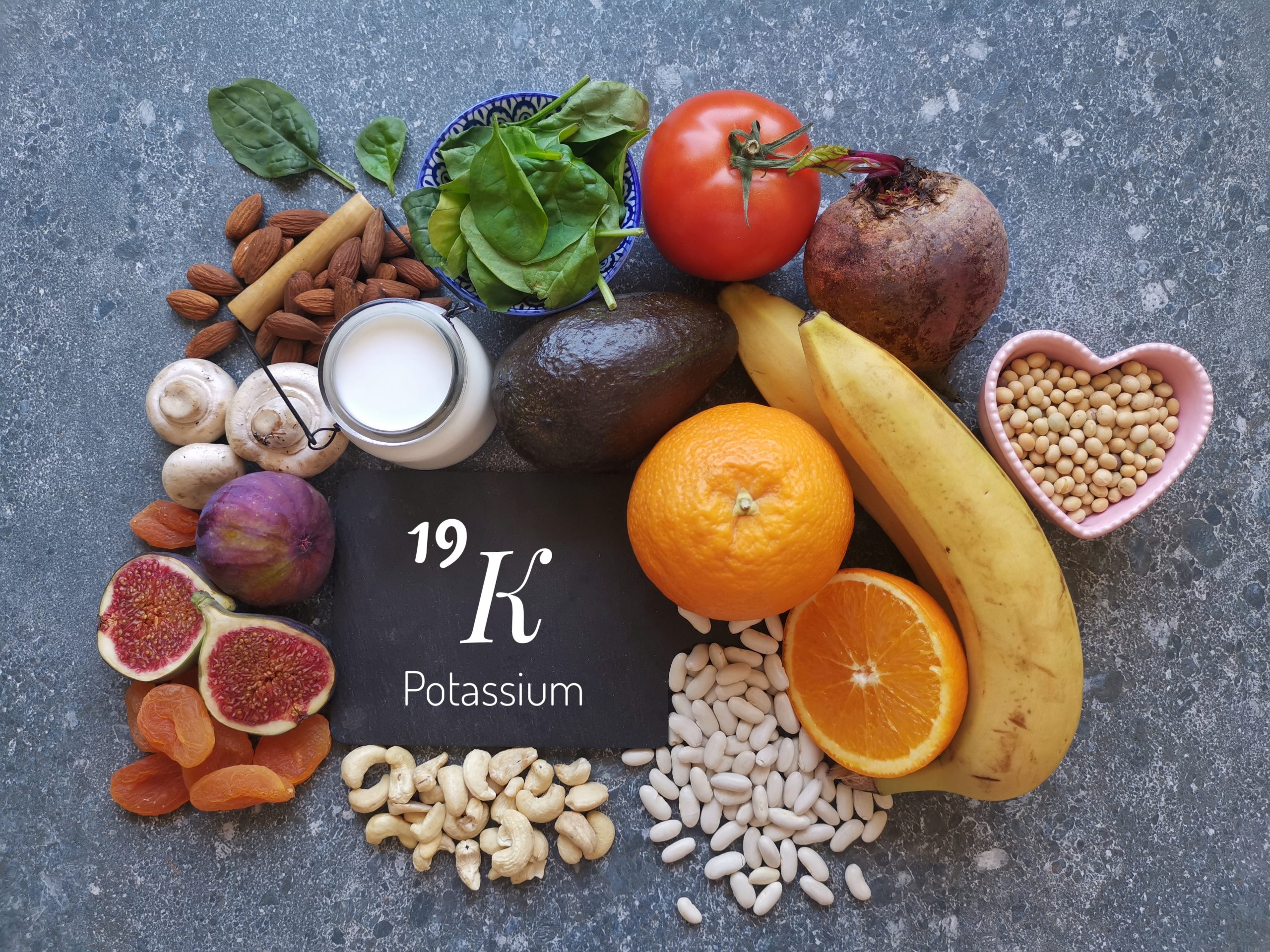
Incorporating potassium-rich foods into your dinner can be a simple yet effective way to enhance your sleep quality. Bananas, sweet potatoes, spinach, and avocados are all excellent sources of potassium that can be easily added to your evening meals. A diet that includes these foods not only supports better sleep but also contributes to overall health by providing essential vitamins and minerals.
Beyond fruits and vegetables, potassium can also be found in lean meats and dairy products. Including a variety of these foods in your diet ensures that you’re getting a balanced intake of nutrients, which is vital for maintaining optimal health and well-being. By focusing on dietary sources of potassium, you can naturally support your body’s sleep processes without relying on supplements.
The Science Behind Potassium and Sleep
Research has shown that low potassium levels can disrupt sleep patterns, leading to less restorative sleep. This disruption is often linked to muscle cramps and restless legs, which are common symptoms of potassium deficiency. Ensuring adequate potassium intake can help alleviate these issues, contributing to a more restful night.
While more research is needed to fully understand the relationship between potassium and sleep, current findings suggest that this nutrient plays a crucial role in sleep quality. By supporting muscle and nerve function, potassium helps create the ideal conditions for deep, restorative sleep. This makes it an invaluable component of a sleep-friendly diet.