
Scientists have discovered that one overlooked mineral could be the key to transforming restless nights into deep, restorative sleep—and most Americans aren’t getting nearly enough of it.
Sleep Science Snapshot
- Magnesium deficiency affects up to 50% of adults and directly impairs sleep quality
- Strategic bedtime snacks rich in sleep-promoting minerals can improve rest without weight gain
- Timing matters: consuming mineral-rich foods 3+ hours before bed optimizes absorption
- Simple dietary changes can reduce nighttime awakenings and morning grogginess
The Mineral Most Americans Are Missing
Magnesium stands as the unsung hero of deep sleep, yet half of all adults consume less than the recommended daily amount. This essential mineral regulates melatonin production, calms the nervous system, and relaxes muscles—three critical functions for quality rest. Research reveals that magnesium deficiency correlates directly with insomnia, frequent night wakings, and that frustrating feeling of being “tired but wired” at bedtime.
The modern diet compounds this problem. Processed foods dominate grocery carts while magnesium-rich whole foods like leafy greens, nuts, and seeds take a backseat. Stress further depletes magnesium stores, creating a vicious cycle where poor sleep increases stress, which then worsens sleep quality.
Five Science-Backed Ways to Boost Nightly Magnesium
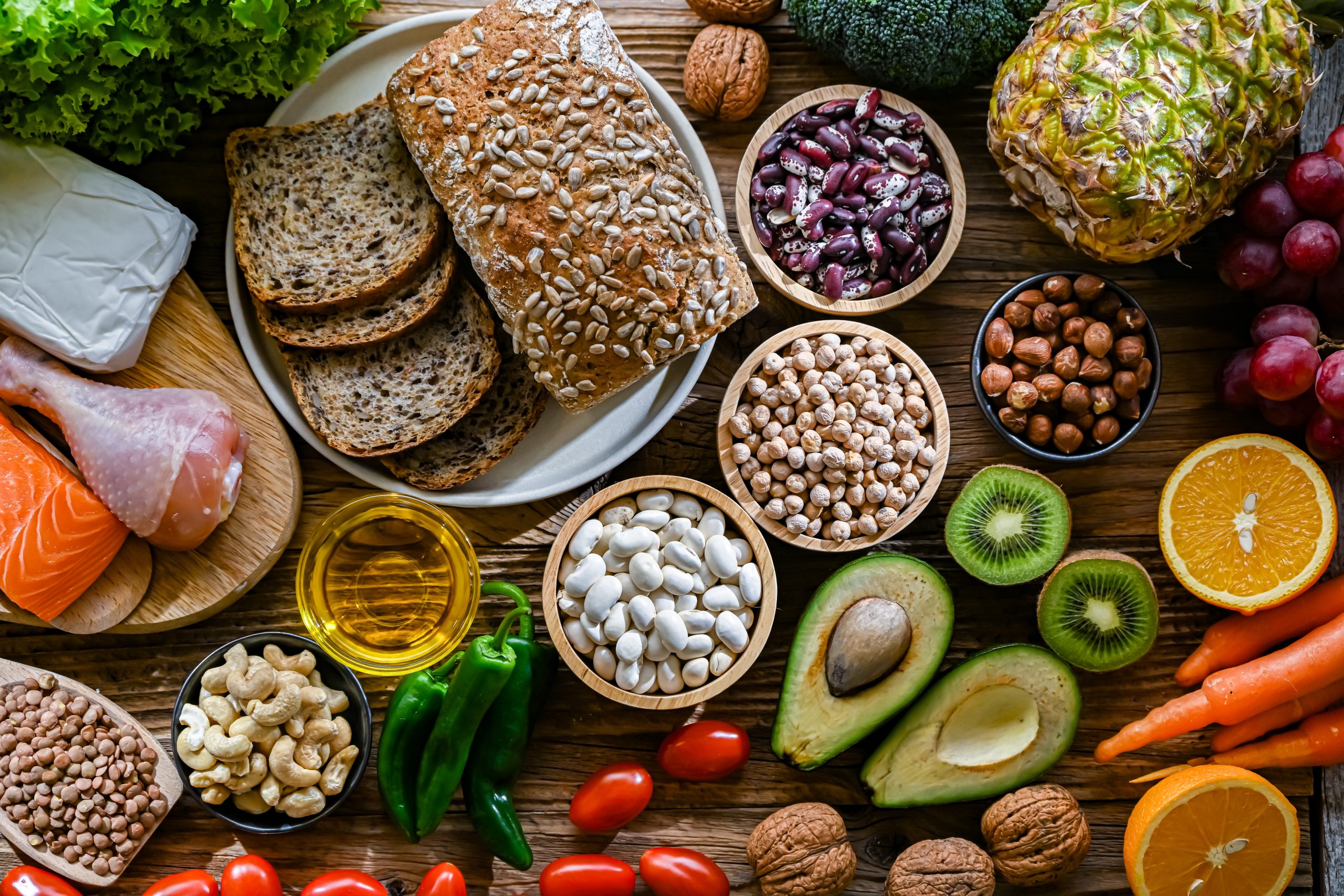
Strategic bedtime snacking represents the most practical approach to increasing magnesium intake. Almonds pack 76 milligrams per ounce—nearly 20% of daily needs—while also providing healthy fats that support hormone production. A small handful consumed three hours before bed allows optimal absorption without digestive disruption.
Dark chocolate offers an unexpectedly powerful option, containing 64 milligrams of magnesium per ounce alongside compounds that promote relaxation. Choose varieties with 70% cacao or higher to maximize benefits while minimizing sugar. Greek yogurt with a sprinkle of pumpkin seeds creates another winning combination, delivering magnesium alongside sleep-supporting calcium and tryptophan.
Timing Transforms Everything
When you consume magnesium matters as much as how much you take. Recent studies demonstrate that eating mineral-rich snacks within two hours of bedtime can actually disrupt sleep by triggering digestive processes. The sweet spot lies in that three-to-four-hour window before sleep, allowing nutrients to absorb while giving digestion time to settle.
Bananas emerge as an ideal pre-sleep choice, providing magnesium, potassium, and natural sugars that help transport tryptophan across the blood-brain barrier. Pairing a banana with almond butter creates a nutritional powerhouse that addresses multiple sleep pathways simultaneously. This combination has shown particular effectiveness for individuals over 40, when natural melatonin production begins declining.
Beyond Food: Absorption Secrets
Maximizing magnesium’s sleep benefits requires understanding absorption dynamics. Calcium competes with magnesium for uptake, so timing these minerals separately optimizes utilization. Vitamin D enhances magnesium absorption, making evening walks or brief sun exposure valuable complements to dietary strategies.
Stress hormones like cortisol actively deplete magnesium stores, creating a compelling case for combining mineral-rich snacks with relaxation techniques. Simple practices like deep breathing while enjoying evening nuts or seeds can amplify sleep benefits through both nutritional and psychological pathways.
Sources:
Healthline – Eating Before Bed: Good or Bad?
PMC – Structured vs. unstructured treatment approaches to addressing late-night eating
PMC – Population study on late-night eating patterns