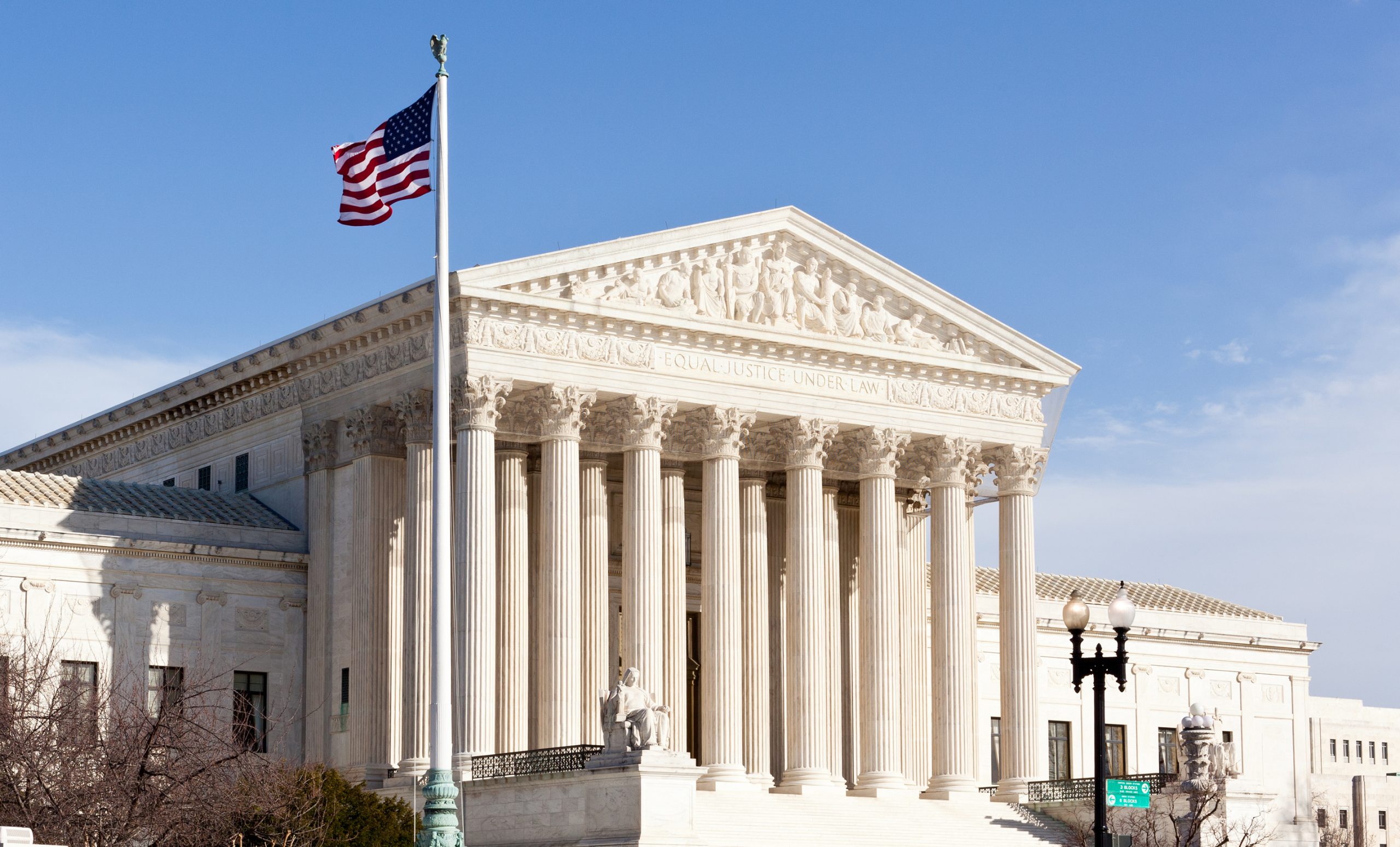

Executive power over preventive health policy is now at unprecedented risk, as the Supreme Court’s latest ruling opens the door to potential political interference in life-saving health services.
Story Snapshot
- The Supreme Court upheld the ACA’s preventive care coverage mandate, preserving access for over 100 million Americans.
- The ruling grants the HHS Secretary authority to remove USPSTF members, threatening the Task Force’s independence.
- Political influence over preventive health recommendations may jeopardize science-based standards and patient outcomes.
- Unexplained government actions, like canceling USPSTF meetings, raise concerns about transparency and accountability.
Supreme Court Preserves Preventive Care but Raises Alarms for Future Policy
On June 27, 2025, the Supreme Court ruled in Kennedy v. Braidwood Management, Inc. that the U.S. Preventive Services Task Force (USPSTF) remains constitutionally appointed and its recommendations for no-cost preventive health services must continue under the Affordable Care Act. This decision secures vital coverage for screenings and preventive treatments that millions rely on, such as cancer and cardiovascular disease screenings. However, while the immediate threat to access is averted, the ruling introduces new vulnerabilities by affirming the Secretary of Health and Human Services’ authority to remove Task Force members and reject their recommendations, putting the scientific independence of the USPSTF at risk.
Why the U.S. Preventive Services Task Force is essential to saving lives https://t.co/xA2XasIz3x #Policy #PublicHealthPolicy via @kevinmd
— Kevin Pho, M.D. (@kevinmd) August 18, 2025
The USPSTF has long stood as a bulwark against arbitrary or politically motivated health policy, providing evidence-based recommendations that shape national standards for preventive care. The ACA’s 2010 mandate to cover USPSTF-endorsed services without patient cost-sharing was a milestone in promoting early disease detection and saving lives—estimates credit these policies with preventing over 100,000 deaths annually. Before the ACA, coverage for preventive services was inconsistent, varying by state and insurer, often leaving vulnerable populations without access to essential care. The Task Force’s independence has been critical in maintaining consistent, science-driven health policy across administrations.
Watch:
Government Overreach Now Threatens Scientific Integrity
The Supreme Court’s affirmation of executive authority over the USPSTF shifts the balance of power, making the Task Force more susceptible to political priorities rather than scientific evidence. The Secretary of Health and Human Services now wields significant influence and can remove panel members or reject recommendations, which could undermine the integrity of preventive care standards.
Medical groups and advocacy organizations, including the American Medical Association and the American Cancer Society, have expressed relief that preventive care coverage persists, but warn that the new vulnerabilities could undermine public health. For patients and providers, this means uncertainty about whether life-saving screenings and treatments will remain available, especially if future executive actions disregard scientific consensus.
Long-Term Uncertainty: Legal Challenges and Threats to Conservative Values
While the Supreme Court’s decision delivers short-term security for preventive health coverage, it leaves unresolved questions about the future. Ongoing litigation related to other health policy panels, such as the Health Resources and Services Administration (HRSA) and the Advisory Committee on Immunization Practices (ACIP), could further destabilize preventive care mandates. The increased risk of political interference threatens core conservative values—limited government, individual liberty, and protection against bureaucratic overreach. The broader impact extends to health technology and diagnostics companies, which may experience delays or uncertainty in bringing new screening technologies to market if USPSTF processes are disrupted.
Sources:
Supreme Court Decision on USPSTF Produces Uncertainty
High Court Ruling Protects No-Cost Access Preventive Care
ACA Preventive Services Supreme Court Kennedy Braidwood