
Can the humble pickle juice be the secret weapon athletes need to tackle muscle cramps?
Story Highlights
- Pickle juice’s effectiveness lies in its neural reflex-triggering taste, not electrolyte content.
- Scientific studies show no substantial change in blood electrolytes post-consumption.
- Concerns arise over high sodium content, posing risks for some individuals.
- Experts advise caution; pickle juice isn’t a primary hydration or electrolyte strategy.
Pickle Juice: A Surprising Ally Against Cramps?
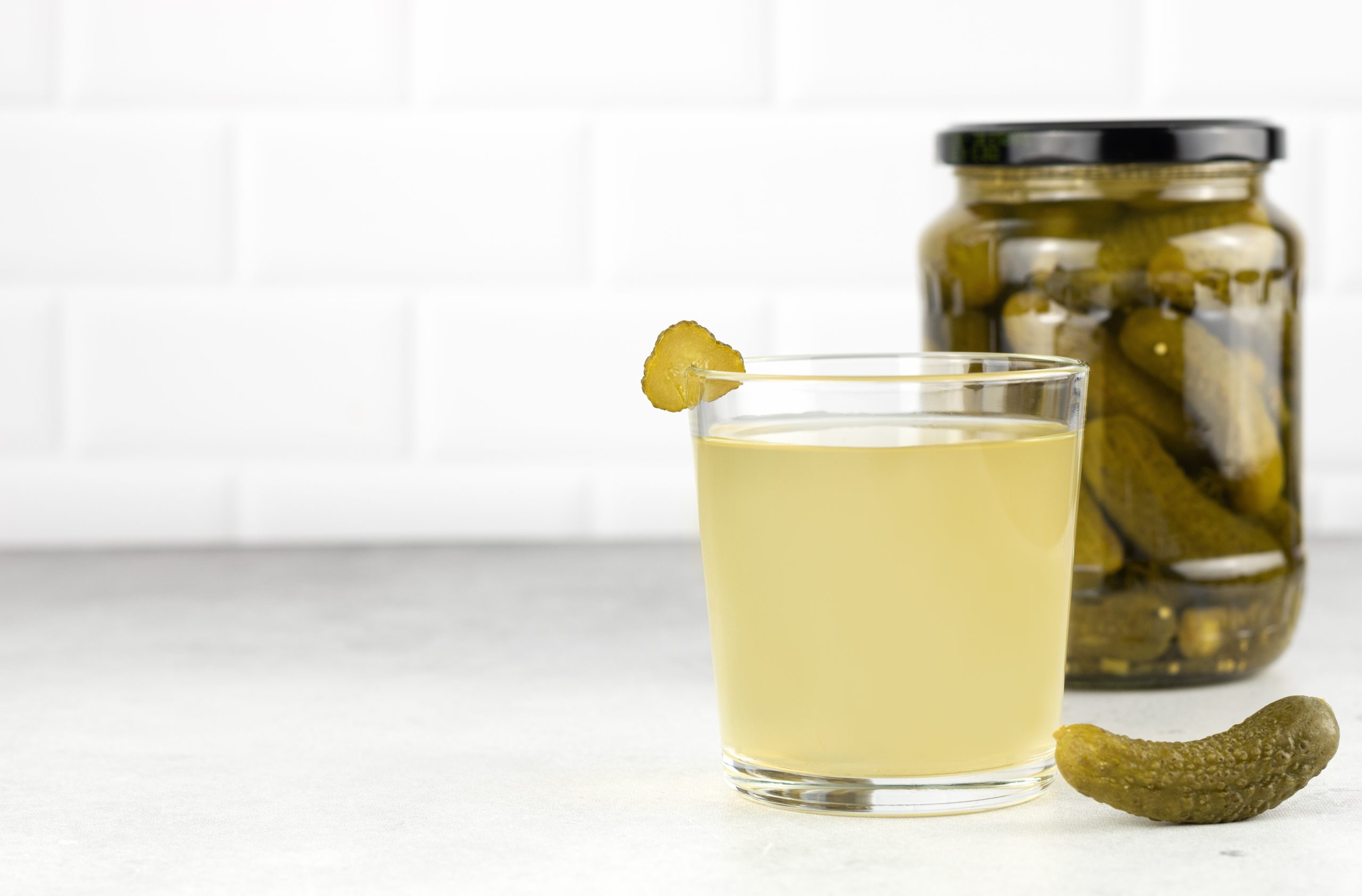
Pickle juice, once a pantry staple reserved for sandwiches and salads, has found its way into the sports world as a potential remedy for muscle cramps. Athletes have embraced it, believing it offers rapid relief. However, its effectiveness isn’t due to replenishing electrolytes, as many might assume. Rather, the sharp taste of acetic acid in pickle juice seems to trigger a neural reflex, providing quick cramp relief. This unexpected mechanism challenges traditional beliefs about cramp management.
Despite anecdotal successes, scientific research presents a more nuanced picture. Studies indicate that consuming small amounts of pickle juice doesn’t significantly alter plasma electrolyte levels or hydration status. This raises questions about the true efficacy of pickle juice as a cramp solution. The evidence suggests that while it may offer immediate relief, it’s not because of any realignment of the body’s electrolyte balance.
The Sodium Dilemma
While athletes like Carlos Alcaraz have popularized pickle juice, its high sodium content remains a concern. A small serving can contain up to 340 mg of sodium, potentially problematic for those with high blood pressure or sodium-sensitive conditions. Health experts caution against regular consumption without monitoring sodium intake, especially for individuals already on high-sodium diets. This raises the need for balanced approaches, weighing potential benefits against health risks.
Pickle juice’s sharp taste may offer a quick fix for cramps, but it’s not a comprehensive solution. Experts urge athletes to consider alternative sources of potassium and hydration for long-term cramp prevention. Hydration strategies should balance sodium intake, ensuring athletes don’t inadvertently compromise their health while seeking performance gains.
Scientific Insights and Expert Opinions
Emerging research highlights the neural mechanisms at play when consuming pickle juice. The acetic acid’s strong taste may trigger a reflex that halts cramps quickly, rather than correcting any electrolyte imbalance. This insight underscores the importance of understanding the physiological responses involved, rather than relying solely on traditional views of electrolyte replenishment.
Experts in sports nutrition remain cautious. While acknowledging the anecdotal benefits, they stress the lack of robust scientific evidence supporting pickle juice as an effective electrolyte-based prevention method. The consensus encourages athletes to remain informed and cautious, ensuring any remedy aligns with broader health and dietary goals.
Sources:
1. Journal of Athletic Training