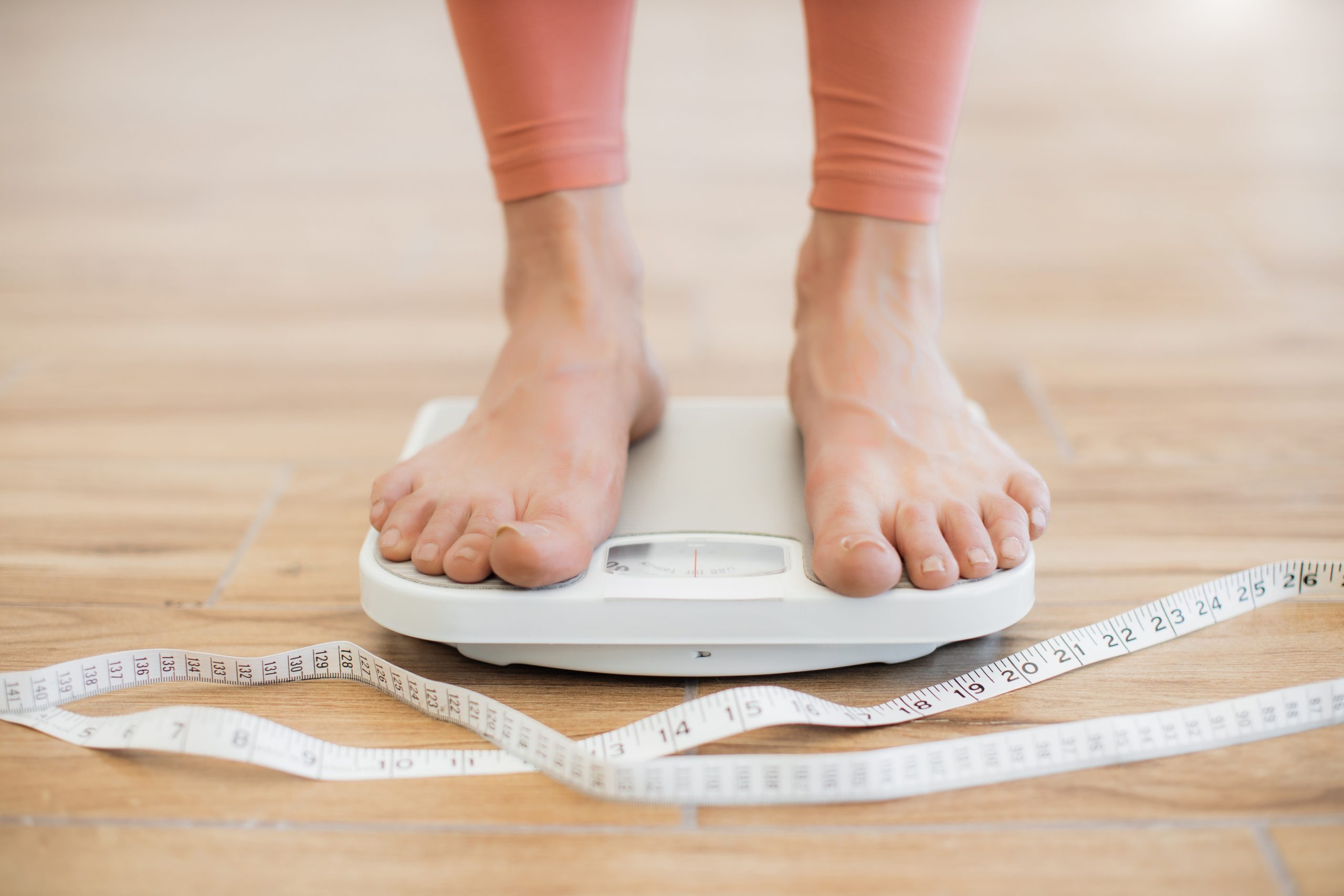

Once you start yo-yo dieting, you may unwittingly set off a chain reaction in your gut that can make losing weight even harder.
At a Glance
- Yo-yo dieting can alter gut bacteria, affecting weight management.
- Weight cycling is linked to increased health risks like diabetes and heart disease.
- The diet industry thrives on quick fixes, often ignoring sustainable health.
- Experts urge long-term lifestyle changes over rapid weight-loss diets.
The Enigma of Yo-Yo Dieting
Yo-yo dieting, also known as weight cycling, is not just a rollercoaster ride for your waistline but also for your metabolic health. The term, popularized in the late 20th century, encapsulates the cycle of losing and regaining weight. This cycle is often fueled by fad and crash diets that promise rapid weight loss but fail to sustain it. Studies reveal that up to 55% of American women and 35% of men have experienced this dietary whirlwind. Welcome to the wild world of yo-yo dieting, where your jeans size isn’t the only thing that fluctuates.
Watch a report: Yo-yo dieting can alter gut bacteria
But here’s the plot twist: recent research shows that the aftermath of yo-yo dieting is more than skin deep. A study from the University of Lyon discovered that this dieting habit causes long-lasting changes in gut bacteria, which can alter metabolism and even brain reward pathways. These changes make it harder to resist high-calorie foods and maintain weight loss, setting the stage for a vicious cycle.
The Stakeholders in the Yo-Yo Diet Drama
In the cast of this dietary drama, we have the dieters—men and women chasing dreams of health and beauty, often misled by societal pressures and tantalizing diet promises. Then there are healthcare providers and researchers, the unsung heroes striving to steer the public towards sustainable health practices. On the other side of the ring, the commercial diet industry plays the antagonist, capitalizing on quick fixes and often neglecting long-term well-being.
Public health agencies, like the CDC and the American Diabetes Association, aim to mediate this tug-of-war by emphasizing the dangers of unhealthy dieting methods. Meanwhile, media and social media influencers hold the power to shape public perception, sometimes amplifying the siren call of rapid weight loss.
Current Developments: Gut Feelings
Fast forward to 2025, and the spotlight is on the gut-brain axis. The University of Lyon’s research underscores the complex relationship between gut bacteria and eating behavior. Their study found that even after the diet cycle ended, altered gut bacteria continued to influence compulsive eating behaviors in mice. Researchers caution that while these findings remain in the animal model stage, the implications for human weight management could be profound.
The scientific community is buzzing with the potential for future human trials to further explore these biological mechanisms. Meanwhile, public health messaging is gradually shifting its focus from short-term diet culture to promoting holistic and sustainable lifestyle changes.
The Ripple Effect and Expert Insights
In the short term, yo-yo dieting can lead to disordered eating and metabolic disruptions. Long-term, the risks escalate to include insulin resistance, type 2 diabetes, cardiovascular disease, and impaired immune function. The cycle of dieting and weight regain keeps the multi-billion-dollar diet industry thriving, yet it also inflates healthcare costs due to the increased prevalence of chronic diseases.
Experts, including registered dietitians and diabetes educators, warn against the metabolic havoc wreaked by yo-yo dieting. Melissa Hoover, RD, highlights that rapid weight loss typically results in increased fat mass and muscle loss, compounding health risks. The consensus is clear: sustainable lifestyle changes trump the allure of quick-fix diets.