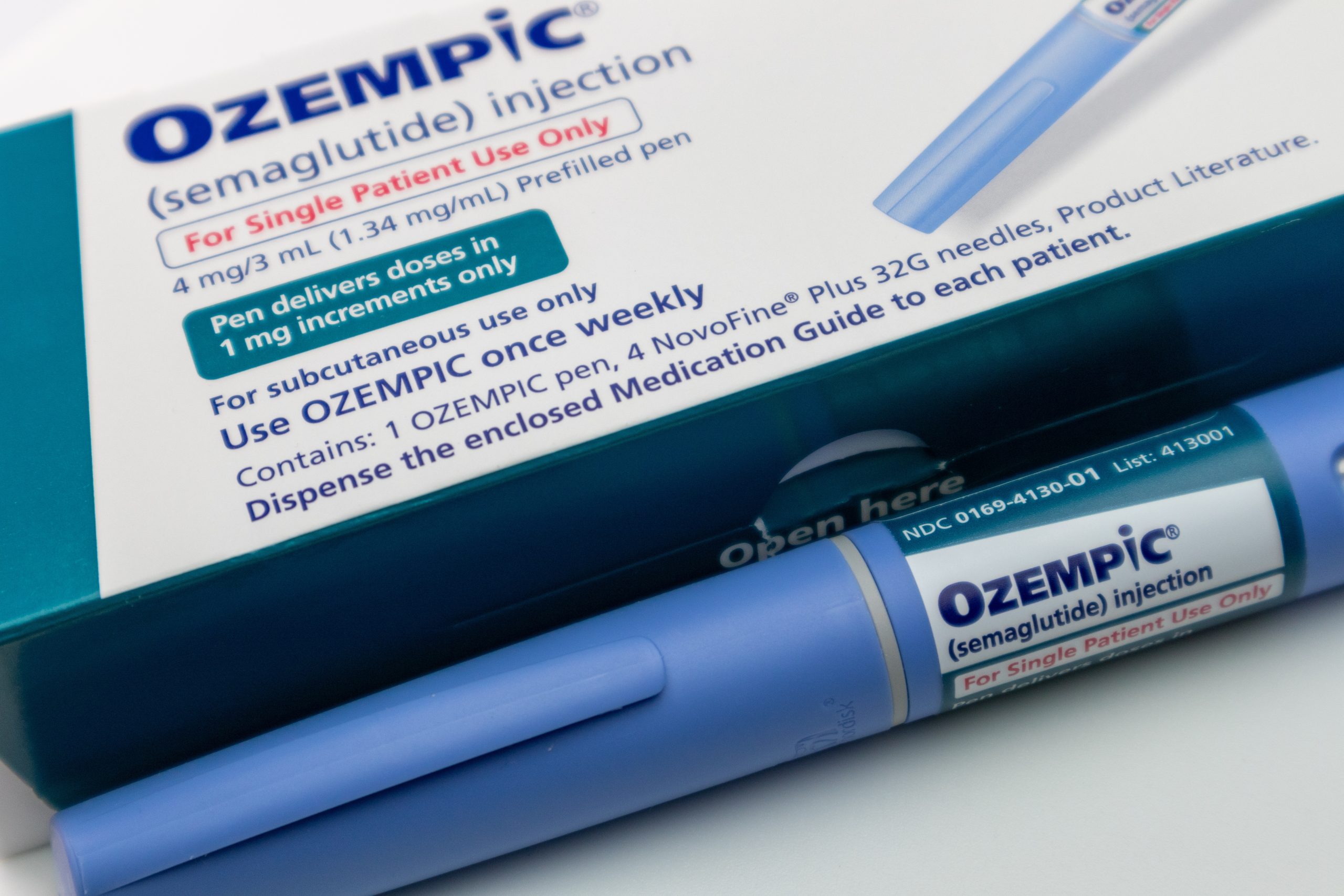

As Ozempic becomes increasingly sought after for weight loss by non-diabetic patients, medical professionals warn about shortages affecting those who need it for diabetes management while experts debate its long-term safety and ethical implications.
At a Glance
- Ozempic, a GLP-1 receptor agonist FDA-approved for type 2 diabetes, has gained popularity for weight loss with users experiencing 15-20% weight reduction over 12-18 months
- Off-label use for weight loss has led to nationwide shortages for diabetes patients, with demand expected to continue through 2024
- Common side effects include nausea, vomiting, and diarrhea, with rare but serious risks of pancreatitis and potential thyroid cancer
- Weight typically returns when medication is discontinued, making it potentially a lifelong commitment at approximately $700 monthly without insurance
- Ethical concerns include medication access inequality, counterfeit products entering the market, and pharmaceutical influence on research
The Rise of Ozempic: From Diabetes Treatment to Weight Loss Phenomenon
Obesity rates in American adults have climbed dramatically from 30% in 2000 to nearly 42% between 2017 and 2020, increasing risks for heart disease, stroke, type 2 diabetes, and certain cancers. This public health crisis has created fertile ground for medications that offer weight management solutions. Enter Ozempic (semaglutide), originally developed and FDA-approved for blood sugar management in type 2 diabetes patients. The medication’s weight loss effects were discovered almost accidentally, leading to a surge in prescriptions for non-diabetic patients seeking weight reduction. Over nine million prescriptions were written in the US in late 2022 alone, with usage of anti-obesity medications doubling annually since 2019.
The mechanism behind Ozempic’s effectiveness involves its action as a GLP-1 receptor agonist, which affects insulin and glucagon levels while influencing appetite regulation through the hypothalamus in the brain. Beyond weight reduction, patients using these medications have shown improved liver function and potential reductions in cardiovascular events like heart attacks and strokes. However, the precise way these drugs regulate appetite remains not fully understood by scientists, highlighting the evolving nature of this medical breakthrough.
Shortages and Ethical Concerns
The dramatic increase in Ozempic prescriptions for weight loss has created significant shortages affecting patients who need the medication to manage their diabetes. This supply-demand imbalance raises serious ethical questions about medication allocation. Healthcare providers report growing concerns about prioritization, as diabetes patients struggle to fill prescriptions while those seeking the drug primarily for cosmetic weight loss consume a substantial portion of the available supply. The shortages are expected to continue through 2024, placing additional strain on an already stressed healthcare system.
The high demand and limited supply have created another troubling development: counterfeit Ozempic entering the market. Both the FDA and World Health Organization have issued warnings about falsified products, citing risks of incorrect dosing, contamination, and harmful ingredients. These counterfeits pose serious health risks to unsuspecting consumers desperate to obtain the medication. Adding to these concerns, insurance coverage for Ozempic has decreased, especially for weight loss purposes, creating potential socioeconomic disparities in access to treatment.
Risks, Benefits, and Long-term Considerations
While Ozempic has demonstrated impressive weight loss results, the medication comes with significant side effects. Common issues include nausea, vomiting, and diarrhea, which can affect quality of life. More concerning are rare but serious risks like pancreatitis and a potential increased risk of thyroid cancer, particularly in those with a family history. The drug also slows food passage through the digestive system, prompting some hospitals to require patients to pause medication before endoscopic procedures. These side effects must be carefully weighed against potential benefits when considering treatment.
Perhaps the most significant consideration is that Ozempic requires ongoing use to maintain results. Studies show that discontinuing the medication typically leads to weight regain and loss of blood sugar control in diabetic patients. With costs averaging around $700 monthly without insurance coverage, this creates a potentially lifelong financial commitment. Healthcare providers emphasize that before prescribing, they discuss patients’ previous weight-loss efforts, financial implications, and potential side effects, stressing that these medications work best as part of a comprehensive approach that includes lifestyle modifications and regular medical supervision.
The Future of Weight Management Medications
As research continues, scientists are exploring broader applications for Ozempic and similar GLP-1 receptor agonists beyond diabetes and weight management. Early studies suggest potential benefits for conditions ranging from cardiovascular disease to certain neurological disorders. This expanding therapeutic potential has sparked both excitement and caution among medical professionals, who recognize the need for more comprehensive long-term safety data, particularly for non-diabetic populations using these medications primarily for weight control.
Healthcare experts caution that while these medications represent a significant advancement in treating obesity, they should not overshadow crucial public health efforts focused on prevention and lifestyle modifications. The medications work best when combined with dietary changes, regular physical activity, and behavioral adjustments. As the landscape of weight management continues to evolve, the medical community emphasizes the importance of personalized approaches that consider individual health profiles, risk factors, and treatment goals rather than viewing any medication as a universal solution.