
Nutrient-rich diets and strong social networks may reduce dementia risk by nearly 45%, offering hope for the 50 million people worldwide affected by cognitive decline.
At a Glance
- Nearly half of all dementia cases may be preventable through lifestyle modifications, including nutrition and social support
- Specific nutrients like omega-3 fatty acids, vitamin D, citicoline, and resveratrol provide significant neuroprotective benefits
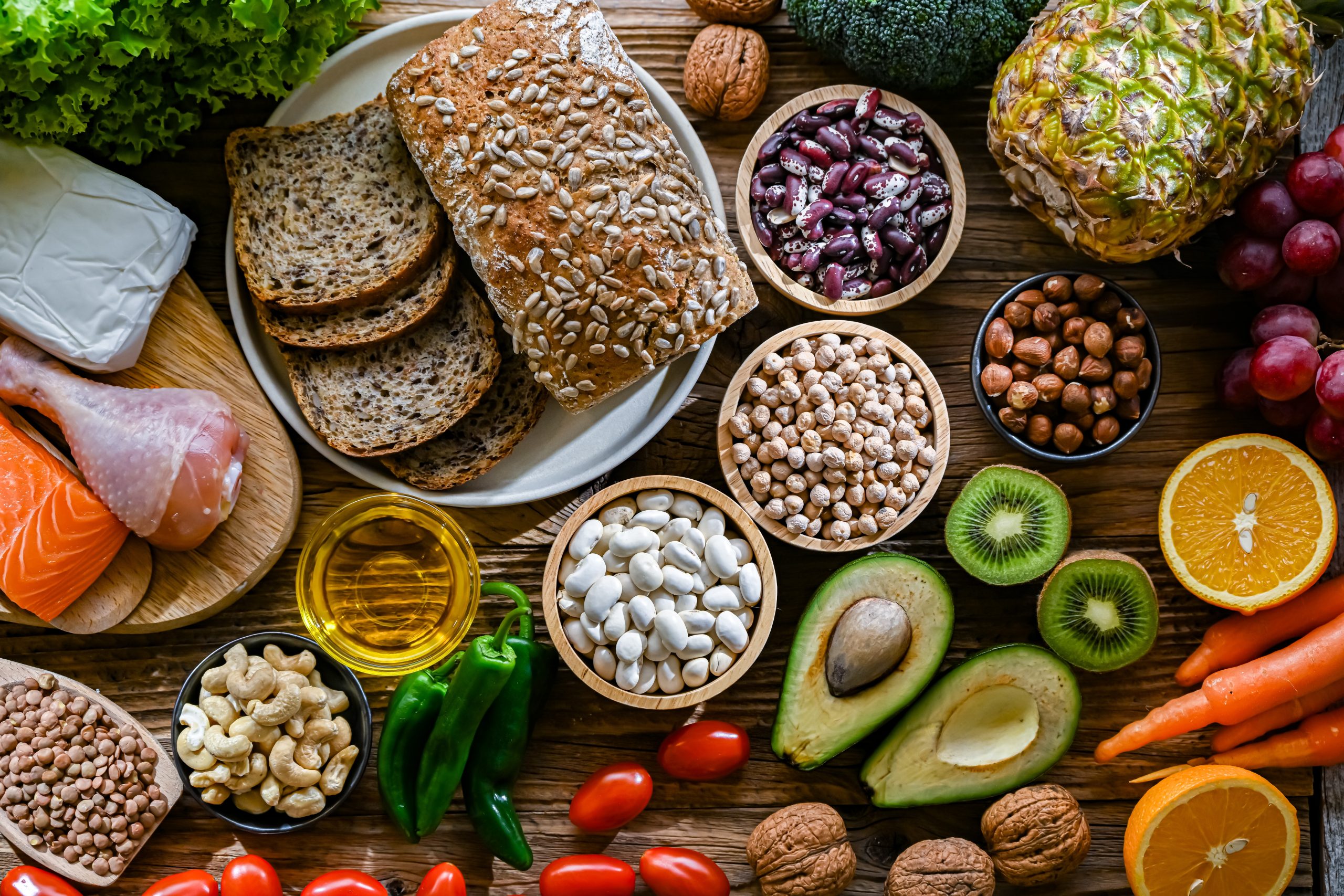
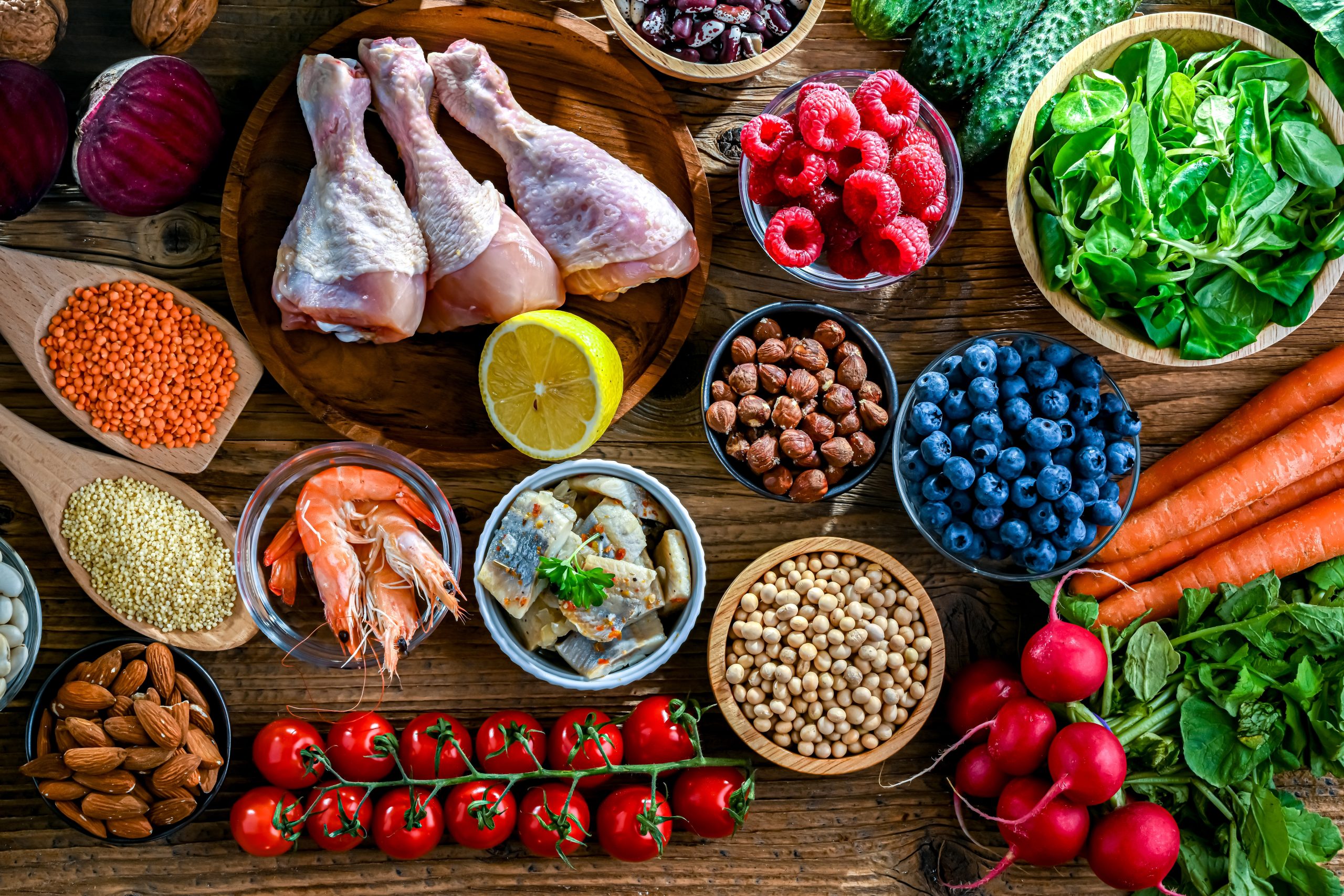
- Mediterranean and MIND diets serve as excellent dietary foundations for brain health
- Strong support networks provide both emotional and practical assistance in maintaining brain-healthy habits
- Proper nutrition becomes increasingly important for those already experiencing cognitive decline or dementia symptoms
The Preventable Nature of Dementia
While cognitive decline affects approximately 50 million people worldwide with numbers projected to triple by 2050, there’s significant cause for optimism. According to the Centers for Disease Control and Prevention, nearly 45% of dementia cases may be preventable or delayed through lifestyle interventions. These include staying physically active, managing diabetes, controlling blood pressure, preventing hearing loss, and limiting alcohol and tobacco use. While genetics and age are unmodifiable risk factors, evidence increasingly shows that nutritional choices can play a pivotal role in preserving brain health and cognitive function throughout aging.
— Stuart Buck (@stuartbuck1) June 22, 2024
Key Nutrients for Brain Protection
The Mediterranean diet provides an excellent foundation for brain health, but research indicates that specific nutrients offer additional protection against cognitive decline. Citicoline helps maintain neuronal cell membranes, modulates neurotransmitters, protects against oxidative stress, and enhances brain energy metabolism. Vitamin D deficiency has been strongly linked to impaired cognitive function and increased dementia risk, making adequate supplementation crucial for many adults, especially those with limited sun exposure or advanced age.
Omega-3 fatty acids, particularly DHA found in fish oil, are essential for brain health, with low levels consistently associated with higher dementia risk. Resveratrol, a potent antioxidant found in grapes, blueberries, and dark chocolate, may prevent cognitive decline by improving cerebral blood flow. While a nutrient-dense diet should always be the foundation, targeted supplementation can provide additional cognitive protection, especially for those with dietary restrictions or increased nutritional needs.
— Tom Adelstein (@AdelsteinTom) May 4, 2025
Creating Supportive Environments
For those already experiencing cognitive decline, creating supportive environments becomes essential for maintaining proper nutrition. The Alzheimer’s Association recommends making mealtimes calm and comfortable by limiting distractions, simplifying table settings, checking food temperature, offering one food item at a time, and allowing plenty of time to eat. Encouraging independence through adapted serving dishes and finger foods helps maintain dignity and self-sufficiency. Addressing common issues like poor appetite may require offering favorite foods or increasing physical activity to stimulate hunger.
Proper hydration presents another challenge, often requiring creative approaches like offering small cups of water throughout the day or serving foods with high water content. Support networks become invaluable here, whether through family caregivers, community resources like Meals on Wheels, or online support groups such as the Alzheimer’s Association Message Boards. These resources provide both practical assistance and emotional support for navigating the complex nutritional needs of those with cognitive impairment.
Maximizing Resources Through Strategic Planning
Implementing brain-healthy nutrition doesn’t necessarily require significant financial resources. Strategic meal planning, bulk purchasing of staple items, and focusing on seasonal produce can make nutrient-dense foods more accessible. Community resources like senior centers often provide both nutritional support and social engagement opportunities that benefit cognitive health. Regular assessment of both nutritional intake and cognitive function allows for timely adjustments to the care plan, maximizing the effectiveness of available resources while continuously supporting brain health.
Addressing health disparities remains crucial, as certain populations face higher dementia risk. African American, Hispanic, and American Indian and Alaska Native adults are more likely to have risk factors for developing dementia, highlighting the need for culturally appropriate resources and support systems. By combining targeted nutritional strategies with strong support networks, individuals can effectively maximize their resources while minimizing dementia risk, creating a sustainable approach to cognitive health that adapts to changing needs throughout the aging process.