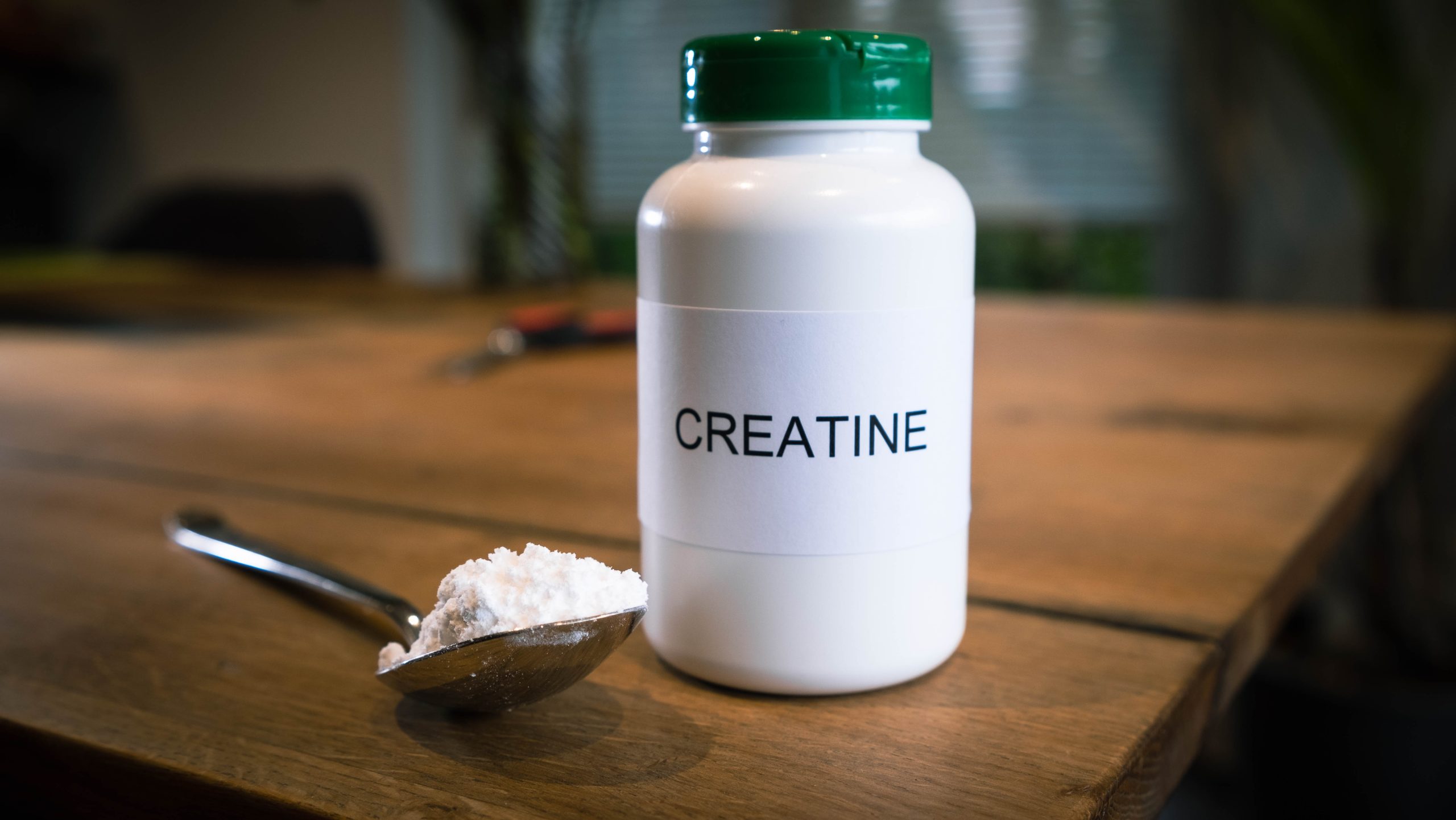

Creatine, a popular muscle-building supplement, is now showing promise in enhancing the effectiveness of cognitive behavioral therapy for depression, with a recent study revealing faster and more significant mood improvements compared to therapy alone.
At a Glance
- Adding creatine to cognitive behavioral therapy (CBT) showed greater reductions in depression symptoms after eight weeks compared to CBT alone
- Creatine plays a crucial role in brain energy metabolism, which is often disrupted in depression
- The supplement is generally well-tolerated with minimal side effects, making it potentially valuable for resource-limited settings
- While promising, these findings are preliminary and require further large-scale studies before clinical recommendations can be made
Understanding Depression and Current Treatment Limitations
Depression remains a significant global health challenge, affecting millions of people worldwide. Traditional antidepressant medications often require weeks to show effects and aren’t always effective for all patients. This reality has prompted researchers to explore alternative approaches to depression treatment, including nutritional interventions that might complement existing therapies while targeting different physiological pathways.
The connection between brain energy metabolism and depression has gained increasing attention in recent years. Bioenergetic abnormalities are frequently observed in depressive disorders, with conditions like diabetes and hypoxia-related illnesses showing higher depression rates. This understanding has opened the door to exploring supplements that might influence brain energy production, with creatine emerging as a particularly promising candidate.
In this randomized controlled trial in men and women with depression receiving cognitive behavioral therapy, daily supplementation with creatine improved depression symptoms more than a placebo.
— Examine.com (@Examinecom) February 7, 2025
PMID: 39488067
Learn more: https://t.co/Noffyc5veJ#examined #depression #creatine pic.twitter.com/3vuOfopfpW
Creatine’s Role in Brain Health
Creatine is naturally found in muscles and the brain and can also be consumed through seafood, meat, or supplements. While most commonly known for its benefits in exercise performance and muscle recovery, creatine also plays a vital role in brain energy metabolism. The supplement helps restore brain bioenergetics by modifying high-energy phosphate metabolism, potentially addressing one of the key physiological disruptions in depression.
Beyond energy metabolism, proposed mechanisms for creatine’s antidepressant effects include neuroprotection and modulation of neurotransmitter systems like serotonin and dopamine. Research also suggests that creatine may reduce oxidative stress in the brain, which is another factor implicated in depression’s development and persistence. These multiple mechanisms make creatine a particularly interesting candidate for depression treatment.
New Research on Creatine and Cognitive Behavioral Therapy
A recent groundbreaking study published in European Neuropsychopharmacology investigated whether adding creatine supplements to cognitive behavioral therapy (CBT) could enhance depression treatment outcomes. The research involved approximately 100 participants with acute major depression who received biweekly CBT sessions along with either creatine supplements or a placebo over an eight-week period.
The results were remarkably promising. Participants who received creatine alongside their therapy showed significantly lower depression severity scores compared to those receiving only CBT with a placebo. More importantly, a higher percentage of participants in the creatine group achieved full remission of their depressive symptoms. These findings align with earlier research from a 2012 clinical trial that found creatine could augment the effectiveness of antidepressant medications.
Newly published research (PMID: 39488067) demonstrates creatine’s potential in managing depression (in conjunction with current standard practice), providing an approach to treatment that operates through well-defined biochemical and neurological pathways.
— William A. Wallace, Ph.D. (@drwilliamwallac) January 22, 2025
### Proposed… pic.twitter.com/KYsDpzGym6
Practical Implications and Safety Considerations
One of the most appealing aspects of creatine as a potential depression treatment is its safety profile and accessibility. Unlike many medications, creatine is generally well-tolerated, with only mild and transitory side effects such as occasional gastrointestinal symptoms or muscle cramping reported in some users. The recent study specifically noted no significant differences in adverse events between the creatine and placebo groups.
This safety profile, combined with creatine’s relatively low cost and widespread availability, makes it particularly interesting as a potential intervention in resource-limited settings where access to comprehensive mental health care might be restricted. As mental health expert Thea Gallagher, PsyD, noted, “This could be an affordable adjunct treatment to the work you’re doing.” However, it’s important to emphasize that anyone considering creatine supplementation for depression should consult with their healthcare provider first.
Looking Ahead: Future Research Directions
While the current findings on creatine and depression treatment are exciting, researchers emphasize that they should be considered preliminary. Larger randomized, placebo-controlled trials are needed to fully confirm creatine’s potential as a therapeutic approach for depression, particularly in treatment-resistant cases. Questions remain about optimal dosing, treatment duration, and which specific patient populations might benefit most from this approach.
As research progresses, the integration of nutritional supplements like creatine into mental health treatment protocols represents an exciting frontier in depression care. By addressing the biological underpinnings of depression while simultaneously supporting psychological interventions like CBT, this combined approach could potentially transform treatment outcomes for millions suffering from this debilitating condition.
Sources:
https://newatlas.com/health-wellbeing/creatine-exercise-supplement-depression-brain-psychotherapy
https://www.womenshealthmag.com/health/a63677569/creatine-depression-study