
From common kitchen ingredients to gentle movement practices, natural remedies offer effective relief for digestive discomfort without the side effects of pharmaceutical interventions.
At a Glance
- Ginger, peppermint tea, and chamomile are powerful natural remedies for relieving stomach discomfort and nausea
- The BRAT diet (bananas, rice, applesauce, toast) provides gentle nutrition during digestive distress
- Gentle exercise like walking and yoga can stimulate digestion and relieve abdominal discomfort
- Persistent or severe symptoms accompanied by fever, vomiting, or blood in stool warrant immediate medical attention
- Simple preventive measures include staying hydrated, eating slowly, and limiting trigger foods
Understanding Digestive Discomfort
Upset stomach, or indigestion, affects nearly everyone at some point. Common triggers include greasy or spicy foods, overeating, alcohol consumption, caffeine, chocolate, carbonated beverages, anxiety, smoking, and certain medications like antibiotics. While occasional discomfort is normal, frequent digestive issues may indicate underlying conditions such as peptic ulcer disease, gastritis, celiac disease, inflammatory bowel disease, or irritable bowel syndrome. Dehydration is another common but often overlooked cause of stomach pain, making proper hydration essential for digestive health.
Symptoms can range from mild bloating and nausea to more severe cramping, heartburn, and disrupted bowel movements. Understanding what triggers your digestive discomfort is the first step toward finding effective relief. Many people find that keeping a food and symptom journal helps identify patterns and problematic foods, allowing for personalized adjustments to diet and lifestyle for improved digestive health.
— Endoca (@EndocaCBDOil) March 24, 2025
Kitchen Remedies for Digestive Relief
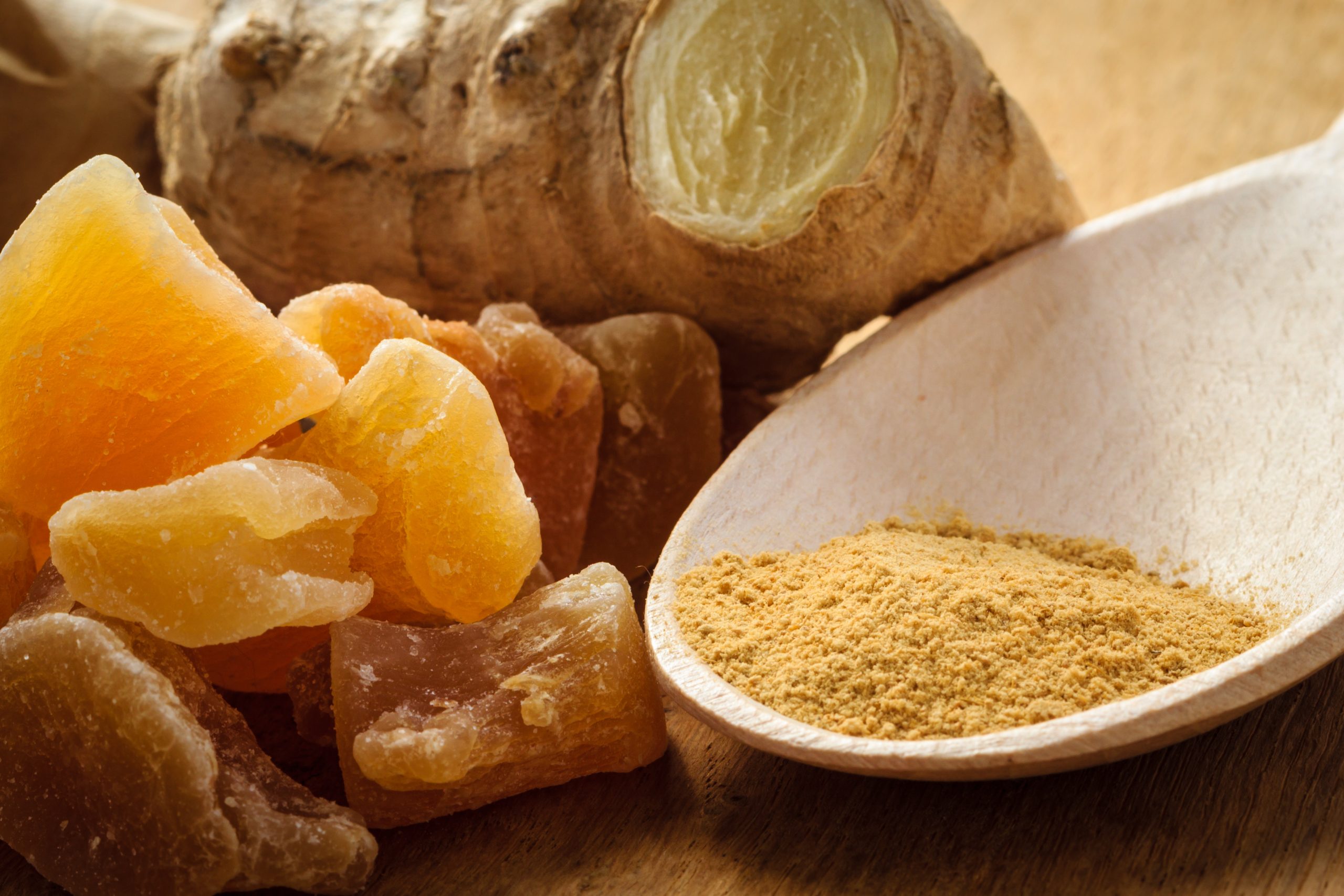
Your kitchen likely contains several effective remedies for digestive discomfort. Ginger stands out as one of the most researched natural treatments, effective for stomach upset, nausea, and vomiting. You can consume it as tea, in capsule form, or chew on raw ginger slices. Peppermint contains menthol that relaxes stomach muscles and improves bile flow, helping food pass through the stomach more quickly. Peppermint tea or enteric-coated peppermint oil capsules can provide significant relief from indigestion and irritable bowel syndrome symptoms.
Chamomile tea offers anti-inflammatory properties beneficial for various digestive conditions, while a teaspoon of baking soda mixed in water can neutralize stomach acid for quick heartburn relief. Apple cider vinegar, though counterintuitive, may help those with low stomach acid by improving digestion when diluted in water. For nausea relief, try lemon water, which can calm the stomach and provide hydration. Pineapple contains bromelain, an enzyme that aids digestion and reduces inflammation, making it another excellent natural digestive aid.
The BRAT Diet and Gentle Nutrition
When digestive distress strikes, what you eat becomes crucial for recovery. The BRAT diet—bananas, rice, applesauce, and toast—provides easily digestible, low-fiber foods that can help firm stools and replenish nutrients during recovery. Bananas contain potassium to replace electrolytes lost through vomiting or diarrhea. Plain white rice and toast offer simple carbohydrates that provide energy without taxing the digestive system. Applesauce provides gentle fiber and hydration while being easy to digest.
Beyond the BRAT diet, yogurt rich in probiotics can help restore healthy gut bacteria and reduce bloating. Fermented foods like sauerkraut and kimchi offer similar benefits. Clear broths provide hydration and essential minerals while being gentle on the stomach. When reintroducing normal foods, start with small portions of lean proteins like chicken or fish, well-cooked vegetables, and easily digestible grains. Avoid fatty, spicy, or heavily processed foods until your system has fully recovered.
— Md Maksud (@maksud28) April 7, 2024
Movement and Mind-Body Approaches
Physical activity plays a surprising role in digestive health. Gentle walking after meals can significantly improve digestion by stimulating the movement of food through the digestive tract. Specific yoga poses target abdominal discomfort—positions like Child’s Pose, Cat-Cow, and Supine Twist can massage internal organs, release trapped gas, and promote healthy digestive function. Even simple stretching can help alleviate tension in the abdominal area that may contribute to discomfort.
The gut-brain connection means stress management techniques directly impact digestive health. Deep breathing exercises activate the parasympathetic nervous system—the “rest and digest” response—creating optimal conditions for proper digestion. Regular meditation practice can reduce stress hormones that disrupt digestive function. Abdominal self-massage, performed clockwise (following the direction of the colon), can stimulate sluggish digestion and provide relief from bloating and constipation.
When to Seek Medical Attention
While natural remedies effectively address most digestive discomfort, certain symptoms warrant medical attention. Seek immediate care for severe abdominal pain, especially when accompanied by fever, persistent vomiting, blood in stool or vomit, jaundice, swelling, or difficulty breathing. Lower right abdominal pain with fever may indicate appendicitis, requiring urgent evaluation. Pregnant women experiencing abdominal pain should always consult their healthcare provider promptly.
Chronic digestive issues that don’t respond to home remedies deserve professional assessment. These could indicate underlying conditions like inflammatory bowel disease, celiac disease, gallbladder disease, or diverticulitis. Keep track of your symptoms, including their timing, intensity, and any potential triggers, to help your healthcare provider make an accurate diagnosis. Remember that digestive health is a critical component of overall wellness, and addressing persistent problems promptly can prevent more serious complications.
Sources:
https://www.baptisthealth.com/blog/baptist-health/8-natural-remedies-for-upset-stomach
https://www.verywellhealth.com/how-to-soothe-a-stomach-ache-5218292
https://metrodetroitgastro.com/news/8-natural-remedies-for-stomach-ache