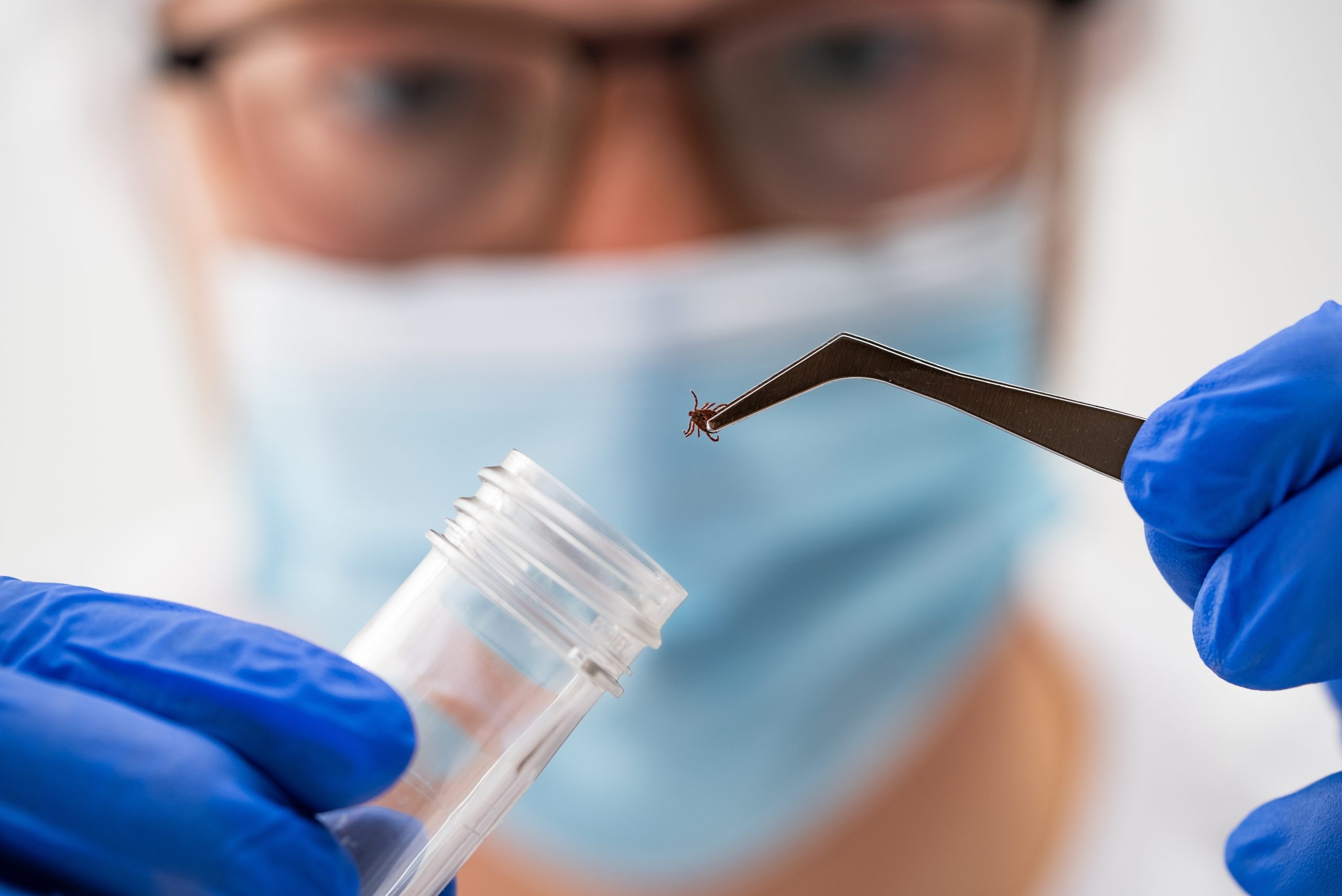

A 26-year-old pregnant woman developed a massive parasitic cyst in her abdomen after contracting a dangerous tapeworm from her dog, highlighting why pet owners must take zoonotic disease prevention seriously.
At a Glance
- Over 60% of known infectious diseases in humans can spread from animals to people
- Children under 5, adults over 65, pregnant women, and immunocompromised individuals face higher risks from zoonotic diseases
- The parasitic cyst case involved a hydatid cyst caused by a tapeworm found in infected dog feces or saliva
- Regular handwashing, avoiding pet saliva, proper waste disposal, and veterinary care are crucial preventive measures
- Parasite prevention through regular deworming and flea/tick control protects both pets and their families
Understanding the Zoonotic Threat
Zoonotic diseases represent a significant but often overlooked health risk for pet owners. According to the Centers for Disease Control and Prevention (CDC), these diseases can transmit between animals and humans through various routes, including direct contact, insect vectors, and environmental contamination. The statistics are sobering—scientists estimate that more than six out of every ten known infectious diseases in humans can spread from animals, with three-quarters of emerging infectious diseases originating in animals. For dog owners specifically, common zoonotic concerns include rabies, leptospirosis, various parasitic infections, and fungal diseases like ringworm.
The recent case of the pregnant woman who developed a hydatid cyst—a parasitic infection caused by tapeworm eggs typically found in dog feces—demonstrates how these threats can manifest in alarming ways. While most pet owners enjoy the companionship and health benefits their animals provide, this incident serves as a stark reminder that responsible ownership must include disease prevention protocols. Certain populations face heightened vulnerability, including children, older adults, pregnant women, and those with compromised immune systems, making preventive measures even more critical in households with these individuals.
Essential Preventive Measures for Dog Owners
Maintaining proper hygiene forms the cornerstone of zoonotic disease prevention. Dog owners should practice thorough handwashing with soap and water after handling pets, their toys, or waste. When outdoors or away from washing facilities, alcohol-based hand sanitizers can provide temporary protection. Teaching children proper hand hygiene is particularly important, as they often have closer physical contact with pets and may be less conscious about hand cleanliness. Creating household rules about handwashing after pet interaction helps establish this critical habit.
Proper waste management represents another crucial element in preventing disease transmission. Dog feces can harbor numerous parasites, including the tapeworms responsible for hydatid cysts. Promptly removing and disposing of pet waste using gloves or waste bags reduces environmental contamination and minimizes the risk of transmission to humans. For households with yards or gardens, regular cleanup prevents the buildup of waste that can contaminate soil and potentially expose family members to parasites during gardening or outdoor play activities. This simple routine dramatically reduces infection risks.
Veterinary Care and Parasite Prevention
Regular veterinary checkups serve as a frontline defense against zoonotic diseases. Comprehensive wellness visits allow veterinarians to screen for parasitic infections and other conditions before they pose transmission risks. These appointments should include fecal examinations to detect intestinal parasites like roundworms, hookworms, and tapeworms that can affect both dogs and humans. Maintaining an up-to-date vaccination schedule protects against diseases like rabies and leptospirosis, which can have severe consequences for both animals and their owners.
Parasite prevention represents perhaps the most critical aspect of zoonotic disease control for dog owners. Year-round protection against intestinal worms through regular deworming medication addresses the parasites responsible for many cross-species infections. Similarly, consistent flea and tick prevention helps control external parasites that can transmit diseases like Lyme disease and Rocky Mountain spotted fever. These medications, prescribed by veterinarians based on geographic location, dog lifestyle, and specific risk factors, create a protective barrier that benefits both the pet and the entire household.
Creating Safe Interactions
While affection between pets and owners strengthens the human-animal bond, certain boundaries help minimize disease transmission. Dog owners should avoid allowing pets to lick faces, particularly around the mouth and any open wounds. This precaution reduces exposure to bacteria and parasites potentially present in saliva. For households with immune-compromised individuals or small children, implementing separate sleeping areas for pets adds another layer of protection against prolonged exposure to pet dander, saliva, and any parasites they might carry.
Education about recognizing potential signs of zoonotic infections empowers dog owners to seek prompt medical attention when needed. Symptoms like persistent skin rashes, digestive issues, or respiratory problems following close contact with pets warrant medical evaluation. By understanding the connection between pet health and human health, owners can make informed decisions about both veterinary and human medical care. Remember that preventing zoonotic diseases doesn’t diminish the joy of pet ownership—it enhances it by ensuring the relationship remains healthy for everyone involved.