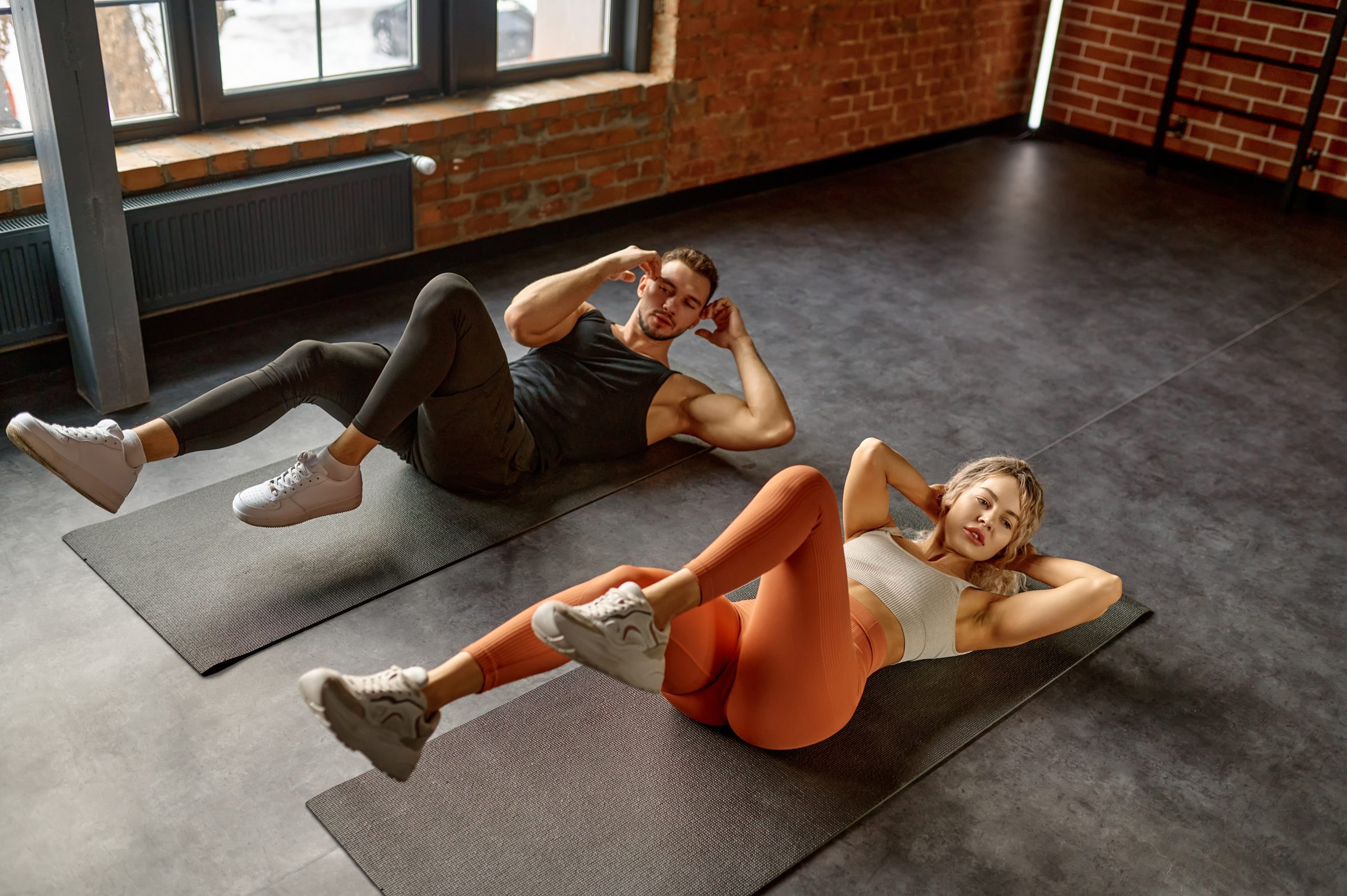

Your daily crunches might be sabotaging the very core strength you’re desperately trying to build.
Story Highlights
- Traditional crunches fail to develop the deep stabilizing muscles needed for real-world activities
- Functional core training targets the transverse abdominis and pelvic floor for genuine stability
- Four specific exercises mimic daily movements while building injury-resistant strength
- This approach reduces back pain and improves athletic performance simultaneously
The Crunch Crisis Nobody Talks About
Fitness enthusiasts spend countless hours performing crunches, believing they’re building bulletproof cores. The reality reveals a different truth. Traditional ab exercises create muscular imbalances that actually increase injury risk during everyday activities. Professional trainers now recognize that functional core strength requires a completely different approach, one that prepares your body for real-world demands rather than gym floor theatrics.
Deep Muscles Hold the Real Power
The transverse abdominis and pelvic floor muscles form your body’s natural weight belt, providing stability that surface-level abs simply cannot deliver. These deep stabilizers work constantly during daily activities, from lifting groceries to climbing stairs. When these muscles remain weak or uncoordinated, your spine loses critical support, leading to chronic pain and movement dysfunction that plagues millions of Americans.
Four Movements That Transform Everything
Smart trainers focus on exercises that mirror real-life movement patterns while challenging your core’s stabilizing function. Dead bugs teach your core to resist unwanted rotation while maintaining neutral spine position. Planks with arm or leg movements force deep muscles to fire while preventing compensation patterns. Single-leg deadlifts combine balance, coordination, and anti-rotation strength in one powerful movement.
The fourth essential exercise involves carrying uneven loads, mimicking the asymmetrical challenges your body faces daily. These movements create authentic strength that translates directly to improved performance in sports, work, and recreational activities. Your core learns to function as nature intended rather than performing isolated contractions.
Watch:
Meet My Healthy Doc – instant answers, anytime, anywhere.
Beyond Pain Prevention to Peak Performance
Functional core training delivers benefits that extend far beyond injury prevention. Athletes discover increased power transfer between upper and lower body segments, improving performance in virtually every sport. Office workers experience reduced back pain and better posture during long sitting sessions. Weekend warriors find themselves moving with greater confidence and less fatigue during recreational activities.
The coordination improvements prove equally impressive. When your deep stabilizers function properly, your entire kinetic chain operates more efficiently. This enhanced coordination reduces energy waste during movement, allowing you to maintain higher performance levels with less effort. Your body becomes a well-coordinated machine rather than a collection of isolated muscle groups.
Making Training Practical and Sustainable
The beauty of functional core training lies in its practical application and sustainability. These exercises require minimal equipment while delivering maximum benefit. You can perform most movements anywhere, making consistency achievable even with busy schedules. The variety keeps workouts engaging, preventing the boredom that derails many fitness routines.
Progressive overload remains simple yet effective. Increase hold times, add unstable surfaces, or incorporate resistance to continually challenge your system. The movements scale appropriately for beginners while offering advanced practitioners meaningful progression opportunities. This adaptability ensures long-term adherence and continued improvement regardless of your starting point or fitness goals.
Your instant doctor companion – online 24 hours a day.
Sources: