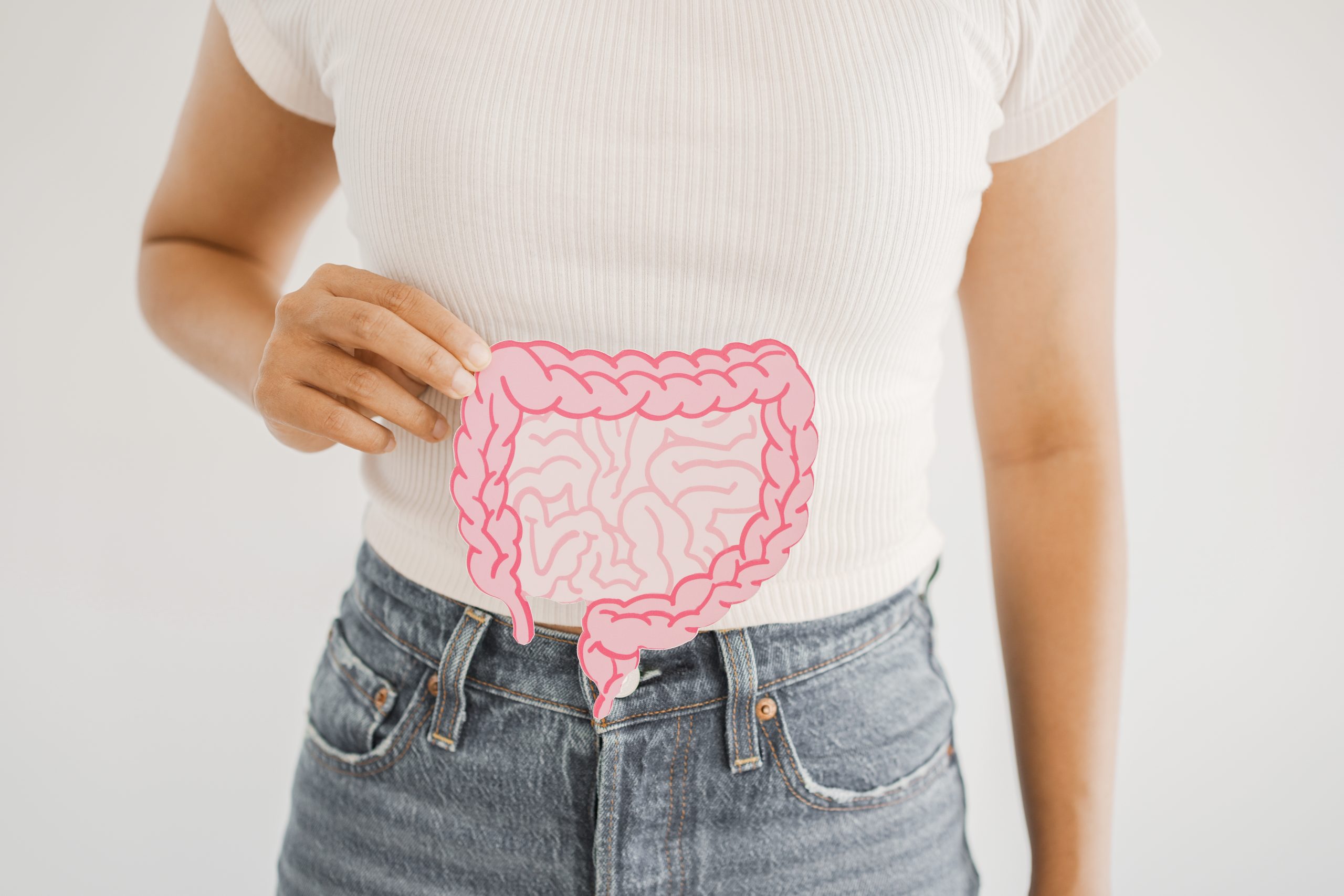

Nearly half of menopausal women face preventable nutrient deficiencies that could significantly impact their health and quality of life, despite many acknowledging that proper nutrition could ease their symptoms.
At a Glance
- 41% of women aged 19-50 and 47% of pregnant or breastfeeding women suffer from nutrient deficiencies
- Key nutrients often lacking during menopause include vitamin D, calcium, B-vitamins, magnesium, and omega-3 fatty acids
- 71% of women acknowledge a healthy diet can ease menopause symptoms, but 20% are not addressing their nutrient gaps
- Supplementation and food fortification programs have proven effective in reducing nutrient deficiencies
- Magnesium supplementation has been shown to significantly improve vitamin D status in postmenopausal women
The Hidden Epidemic of Nutrient Deficiencies in Menopausal Women
Despite living in an age of food abundance, nutrient deficiencies remain surprisingly common among women, particularly those navigating the hormonal changes of menopause. Recent research has uncovered alarming statistics: 41% of women aged 19-50 suffer from at least one significant nutrient deficiency, with the numbers rising to 47% among pregnant or breastfeeding women. As women approach and enter menopause, these nutritional gaps can widen, creating a considerable public health challenge with far-reaching consequences for physical and cognitive health.
Studies focusing on the distinct nutritional needs of women of childbearing age (WCBA) and women of menopausal age (WMENO) have found that many have intakes below the Estimated Average Requirement (EAR) for several critical nutrients. These include calcium, magnesium, and vitamins A, C, D, and E. The transition into menopause creates additional nutritional challenges, with nearly half of women expressing concern that their diet won’t adequately support them through this significant life phase.
Critical Nutrients for Postmenopausal Health
Women aged 40-50 should focus particularly on vitamin D, calcium, B vitamins, zinc, magnesium, and iron to support the hormonal changes that occur during menopause. These nutrients play essential roles in bone health, energy production, mood regulation, immune function, and overall well-being. Deficiencies in these vital nutrients can lead to a range of issues, from osteoporosis and increased fracture risk to fatigue, depression, and compromised immune function.
The relationship between certain nutrients appears to be synergistic, with one particularly interesting example being the connection between magnesium and vitamin D. Research has demonstrated that magnesium supplementation significantly increased vitamin D levels in postmenopausal women compared to placebo groups. Magnesium plays a crucial role in many bodily reactions and is essential for parathyroid hormone and vitamin D function, with studies finding a significant correlation between magnesium intake and 25-OH-D levels in the blood.
Several observational studies and one RCT, suggest supplementation with vitamin D+calcium reduced cancer risk more than supplementation with vitamin D alone [24],[13],[25],[26]. Thus, to determine the effect of vitamin D alone, either the effect of calcium supplementation alone…
— Shahin, FB. (@Shahin20634947) March 2, 2025
Effective Strategies for Addressing Nutrient Gaps
Several approaches have proven effective in addressing nutrient deficiencies among menopausal women. Supplement usage has been shown to significantly reduce nutrient gaps, providing targeted nutrition that may be difficult to obtain through diet alone. Public health initiatives, such as Finland’s national vitamin D fortification policy, have demonstrated success in improving vitamin D sufficiency across populations, including middle-aged women and older adults.
Despite acknowledging that a healthy diet can ease menopause symptoms (71% of women surveyed), approximately 20% of women are not taking steps to address their nutrient gaps. This disconnect highlights the need for better education and awareness about the importance of nutrition during menopause. Healthcare providers can play a crucial role by screening for common deficiencies, providing personalized nutritional guidance, and recommending appropriate supplementation when needed.
Beyond Single Nutrients: A Comprehensive Approach
While addressing specific nutrient deficiencies is important, research suggests that a broader approach to health promotion is needed. For example, studies examining vitamin D sufficiency in Finland found no significant correlation between 25(OH)D levels and muscle mass or function in middle-aged women or older adults, suggesting that a more comprehensive strategy for preventing age-related muscle loss (sarcopenia) is necessary, beyond ensuring adequate vitamin D levels alone.
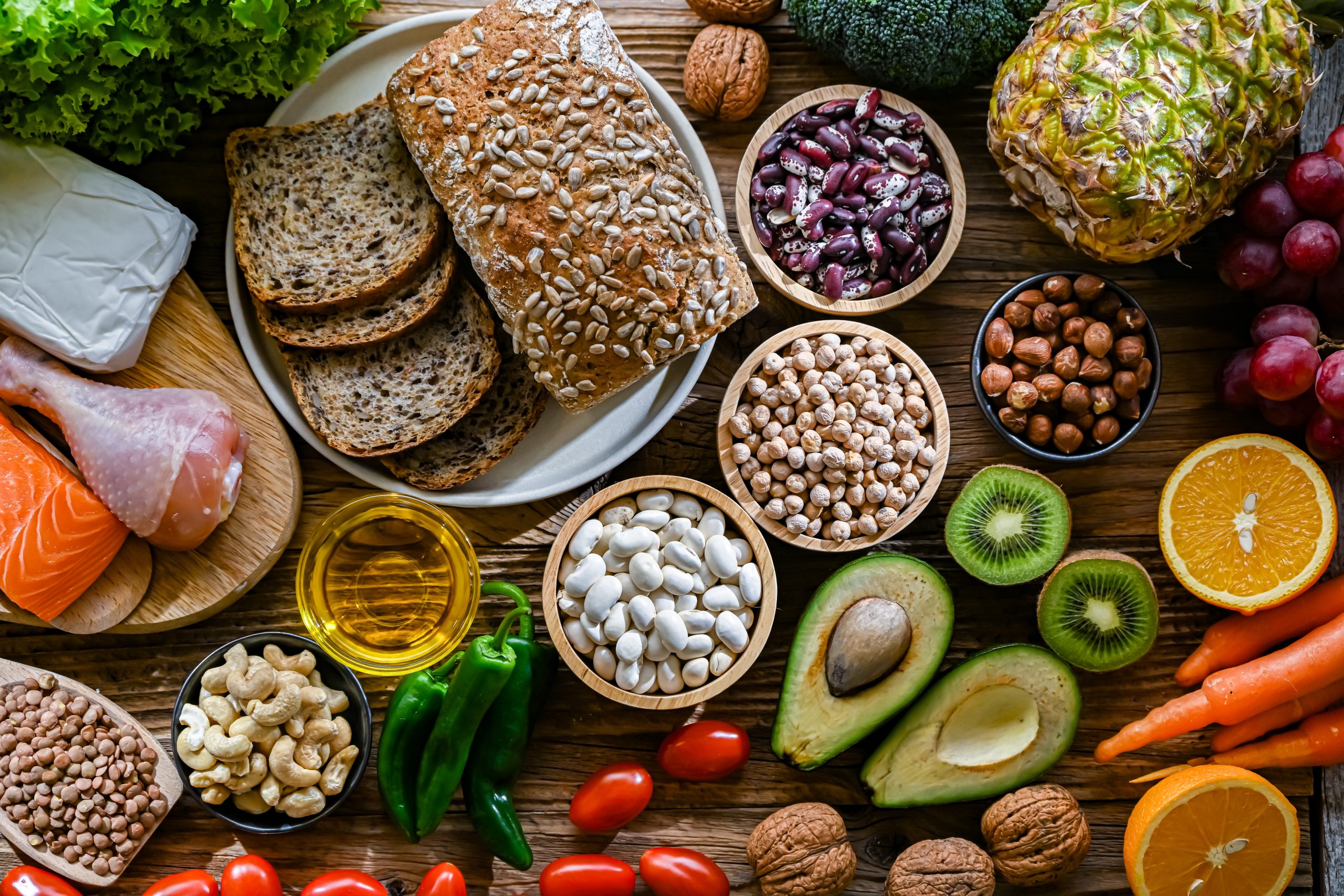
A holistic approach to menopausal nutrition should consider dietary patterns, food quality, nutrient timing, and individual health factors. This may include emphasizing nutrient-dense whole foods, considering Mediterranean-style eating patterns, ensuring adequate protein intake, and addressing lifestyle factors such as physical activity, stress management, and sleep quality—all of which can influence nutrient requirements and utilization during this important life transition.
Sources:
https://www.mdpi.com/2072-6643/13/7/2149
https://academic.oup.com/qjmed/article/98/9/667/1547887
https://www.sciencedirect.com/science/article/pii/S0002916522006700